
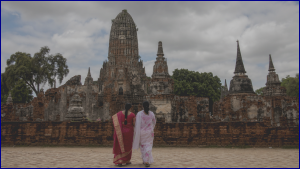
Important Indian Heritage Sites in Southeast Asia
The Indian diaspora has left a significant mark on Southeast Asia, with numerous heritage sites highlighting centuries of movement, trade, and cultural exchange. From ancient ruins to vibrant temples and cultural centers, these locations showcase India’s influence on the region’s religious, architectural, and social fabric.
Historical Ties and Early Settlements
India’s connection with Southeast Asia stretches back over 2,000 years, primarily through maritime trade across the Bay of Bengal and the Andaman Sea. Merchants, Brahmins, and Buddhist monks introduced Hinduism, Buddhism, and cultural practices to the area, impacting early civilisations like Funan, Champa, Srivijaya, and Majapahit.
These exchanges influenced the political landscape, legal customs, art, and temple design in the region. Ideas such as relating temples to cosmic mountains and using mandalas for spatial planning spread throughout Southeast Asia. Further migrations in the 19th and 20th centuries, spurred by colonial rule, saw many Tamils, Punjabis, Gujaratis, and Sindhis move to the area as laborers, traders, and professionals, creating lasting diaspora communities.
Indian Diaspora Groups in Southeast Asia
- Malaysia: Home to the largest Indian community in Southeast Asia, primarily Tamil Hindus whose ancestors came during British colonial times for work in plantations and infrastructure.
- Singapore: Indian residents play a vital role in the multicultural landscape, with Tamil recognized as one of the four official languages.
- Myanmar: Here, Indian communities trace their roots to both ancient and colonial times. A number of Hindu temples incorporate Buddhist statues, illustrating a blend of cultures.
- Thailand: Sikh communities are present in urban areas like Bangkok, actively engaged in industries such as textiles and real estate.
Notable Heritage Sites in Malaysia
- Batu Caves, Kuala Lumpur: A stunning Hindu temple complex set within a 400-million-year-old limestone hill, famous for its towering statue of Lord Murugan and the Thaipusam festival, which attracts thousands of devotees.
- Sri Mahamariamman Temple, Kuala Lumpur: Built in 1873, this is the oldest Hindu temple in the city, notable for its elaborate Dravidian-style entrance adorned with intricate sculptures.
- Indian Heritage Gallery and Cultural Centre, George Town, Penang: Focused on showcasing Indian art and traditions, this gallery offers a glimpse into the rich history of the Indian community through various artifacts and artworks.
- Wadda Gurdwara Sahib, Penang: Established in 1901, this is the oldest and largest Sikh temple in Southeast Asia, recognized as a heritage building under Malaysian law.
Important Heritage Sites in Singapore, Thailand, and Myanmar
- Sri Mariamman Temple, Singapore: Founded in 1827, it is the oldest Hindu temple in Singapore, located in Chinatown and historically significant for early Indian immigrants. It was declared a National Monument in 1973.
- Theemithi Festival, Singapore: An annual fire-walking ritual linked to Sri Mariamman Temple, this event showcases deep Hindu devotion and community spirit.
- Swami Vivekananda Cultural Centre, Bangkok: Opened in 2009, this center promotes Indian culture, offering language classes, music, and dance.
- Thai-Bharat Cultural Lodge, Bangkok: Established in 1940, this lodge fosters cultural exchanges and understanding between Thailand and India.
- Nathlaung Kyaung Temple, Bagan: Dedicating to Lord Vishnu, this temple dates back to the 10th or 11th century and is known as the last remaining Hindu temple within the ancient walls of Bagan.
Cultural and Religious Importance
- Language Preservation: Communities keep Indian languages like Tamil and Hindi alive through daily use and celebrations.
- Festival Celebrations: Key festivals such as Diwali and Thaipusam are celebrated publicly, maintaining cultural traditions.
- Performing Arts Support: Cultural institutions advance the appreciation and practice of Indian classical arts, including dance and music.
- Community Gathering Spaces: Temples and gurdwaras historically function as support systems for social gatherings and aid within communities.
- Interfaith Unity: These heritage sites help promote social harmony within diverse urban societies by showcasing Indian traditions.
- Cultural Diplomacy: Places of worship and cultural centers act as bridges, enhancing India’s ties with Southeast Asian countries.
Key Insights for Awareness
- Ancient Connections: India’s cultural exchanges with Southeast Asia date back over two millennia through trade.
- Religious Influence: The spread of Hinduism and Buddhism shaped early kingdoms and artistic expressions across the region.
- Architectural Concepts: Ideas like the mandala and Mount Meru influenced temple designs in Southeast Asia.
- Diverse Diaspora: Malaysia hosts the region’s largest Indian community, mainly consisting of Tamil Hindus.
- Significant Pilgrimage Sites: Batu Caves and Sri Mariamman Temple are among the most important religious sites in the region.
With a resurgence of interest in heritage, Wadda Gurdwara Sahib in Penang reopened in September 2026 after a thorough restoration. The project emphasized traditional materials, ensuring the temple’s historical significance is preserved for future generations.
These heritage sites are living testaments to the Indian diaspora’s rich legacy in Southeast Asia, emphasizing the importance of cultural preservation and community connection.
