
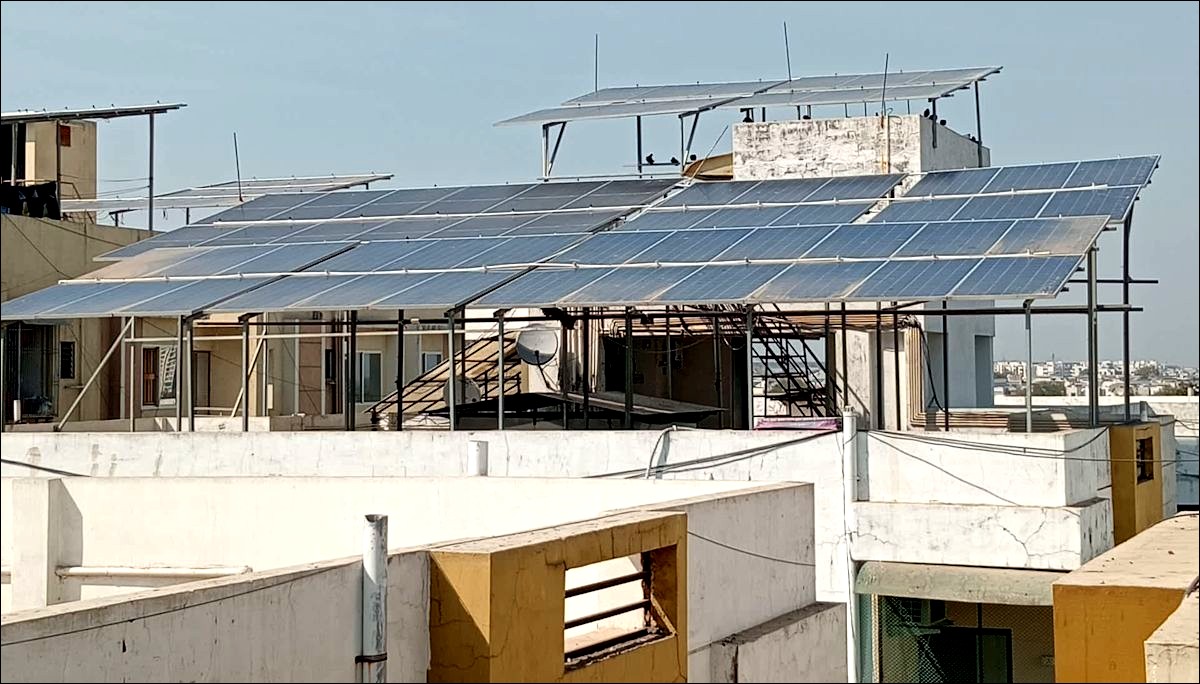
Easier Rooftop Solar Adoption for Businesses in Andhra Pradesh
Businesses in Andhra Pradesh, India, are set to benefit from a recent change that makes it simpler to use rooftop solar energy, potentially reducing their electricity costs. This new decision from the state’s electricity regulator aims to streamline the deployment of solar installations and minimize the lengthy approval processes that previously delayed projects.
The Andhra Pradesh Electricity Regulatory Commission has introduced guidelines for rooftop solar systems installed on the consumer side of electricity meters. This means businesses can generate their own solar power more efficiently, as the process has been clarified to support better use of solar energy on-site.
Key Points to Consider
The shift followed feedback from businesses served by the Eastern Power Distribution Company of Andhra Pradesh, who expressed concerns about delays and complicated procedures surrounding solar energy installations. Many businesses had faced slowdowns when attempting to set up solar energy systems for their own operations.
Thanks to the updated guidelines, businesses can now connect their solar systems to their internal power setup without needing prior approvals from utility companies. This change is backed by the Electricity Act of 2003, which grants consumers full control over systems installed on their side of the meter. Hence, they can adjust their internal configurations based on their specific needs, giving them more flexibility.
Benefits of Behind-the-Meter Solar
Using solar energy on-site is particularly advantageous for industrial and commercial enterprises. It helps reduce dependence on expensive electricity from the grid, especially during peak daytime hours. By generating their own power, businesses can cut operational costs, increase energy reliability, and reduce their environmental impact.
The new regulations also clarify the financial aspects of these solar projects. Notably, businesses will not incur cross-subsidy and additional surcharges for their rooftop solar systems. This exemption remains valid even for projects funded by external sources.
However, there are still responsibilities for consumers. They must ensure that their systems do not send power back into the grid unless authorized, as failing to do so might result in penalties. While utilities can charge for regulated services, they now have a clearer directive on how to manage consumer solar setups.
Future Steps
These new guidelines aim to strike a balance between promoting renewable energy use and ensuring the integrity of the power grid. While utility companies no longer need to approve the setup of behind-the-meter systems, they must still be informed when such installations are ready for operation.
Consumers will need to provide technical information about their solar systems to assist utilities in forecasting demand and managing the grid effectively. It remains important to comply with all regulations to avoid any legal complications.
With these advancements, the journey toward adopting rooftop solar energy has become less complicated for businesses in Andhra Pradesh. By eliminating bureaucratic barriers and confirming surcharge exemptions, more companies may now consider investing in solar power, thus contributing to a greater push for renewable energy in the region.
Looking Ahead
Andhra Pradesh is not alone in this effort. Other states in the U.S., like New Hampshire, New York, and Colorado, are also working on simplifying access to on-site solar energy. For example, New Hampshire has allowed plug-in solar without requiring utility approval, while New York is considering similar measures for balcony solar installations.
These developments promise a brighter future for solar energy, making it easier for consumers to harness the sun’s power without facing unnecessary obstacles.
