
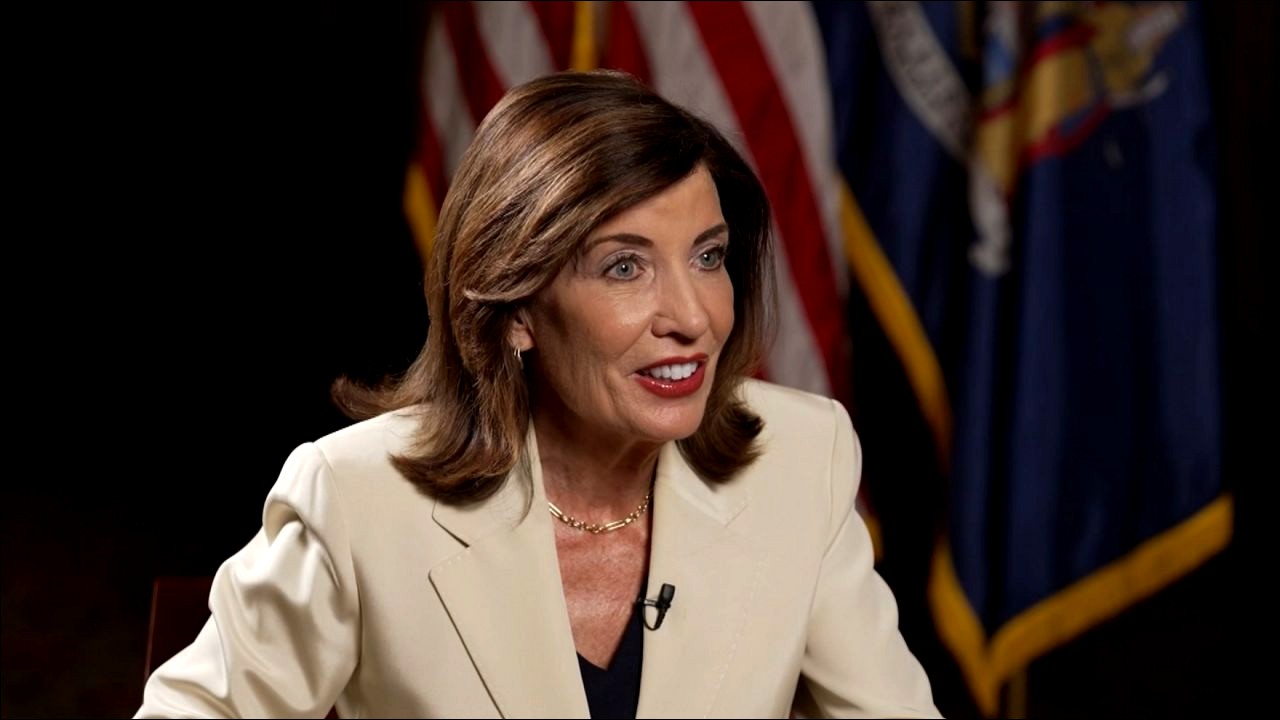
As Labor Day approaches, many people start thinking about the end of the year. For Governor Kathy Hochul, this also means a crucial task: deciding what to do with hundreds of bills that state lawmakers have passed, which are now waiting for her approval or veto.
Typically, Hochul takes until late in the year to finalize her decisions on significant legislation. However, advocates for new laws on artificial intelligence (AI) and big tech are urging her to make quicker choices this year. They believe that delaying action on the fast-evolving technologies could have serious consequences.
State Senator Michelle Hinchey is one of those pressing Hochul to act promptly. She is advocating for a bill that would track the effects of AI on jobs in New York. Hinchey and other supporters argue that with AI’s rapid advancements, it’s critical to start collecting data right away, ideally by Labor Day.
“We need to gather information quickly. AI is already here,” said Hinchey. She highlighted the job losses at major companies like Meta and Oracle, emphasizing the potential economic impact of AI on the state’s workforce.
The proposed bill would require companies to inform the state Department of Labor about how AI is influencing their hiring practices. This includes details on workers displaced by AI, changes in employee hours, jobs created due to AI, and positions that remain unfilled because of it. The goal is to use this data to inform future state policies surrounding AI and its effects on jobs.
Hinchey noted, “We can help train workers for future jobs and stabilize our economy now.”
This legislation has support from both sides of the political aisle. Interestingly, it has also received some backing from the business community. Justin Wilcox, Executive Director of Upstate United—a coalition focused on business and taxpayer interests—remarked that the bill “makes a lot of sense.” He appreciates its approach of gathering information before forming regulations, a method he believes is often overlooked.
Hinchey pointed out that waiting for the governor’s action is common in Albany, but the fast pace of AI development makes it especially important to act quickly. “If we don’t start now, we may look back in a few years and wish we had done more sooner,” she said, referencing the experience with social media regulations.
Hochul has recognized the challenges of handling legislation on rapidly changing technology. Her office stated that she is already working on initiatives related to AI, including launching a commission to develop policy recommendations.
Among the urgent matters awaiting Hochul’s decision is a proposal for a one-year pause on new data center construction. In the summer, she issued an executive order to implement this moratorium, emphasizing the need for immediate action while her team evaluates the larger legislative framework.
Senator Kristen Gonzalez, the bill’s sponsor, continues to advocate for the legislation, emphasizing the importance of acting quickly to address gaps left by the executive order. “It was an important first step in the fight against these large AI data centers,” she said.
The conversation about data centers is becoming a significant topic in the governor’s race as well. Hochul’s opponent, Bruce Blakeman, has opposed the moratorium and believes the administration should have been developing regulations for data centers long ago.
