
Rediscovering India: A Journey through the Royal Pavilion
As someone who has spent five years in India, I often found joy in exploring stunning sites like palaces, temples, and forts, capturing their beauty for Instagram. The intricate Mughal arches and onion domes became a part of my weekend routine, and I still find myself longing for those charming sights.
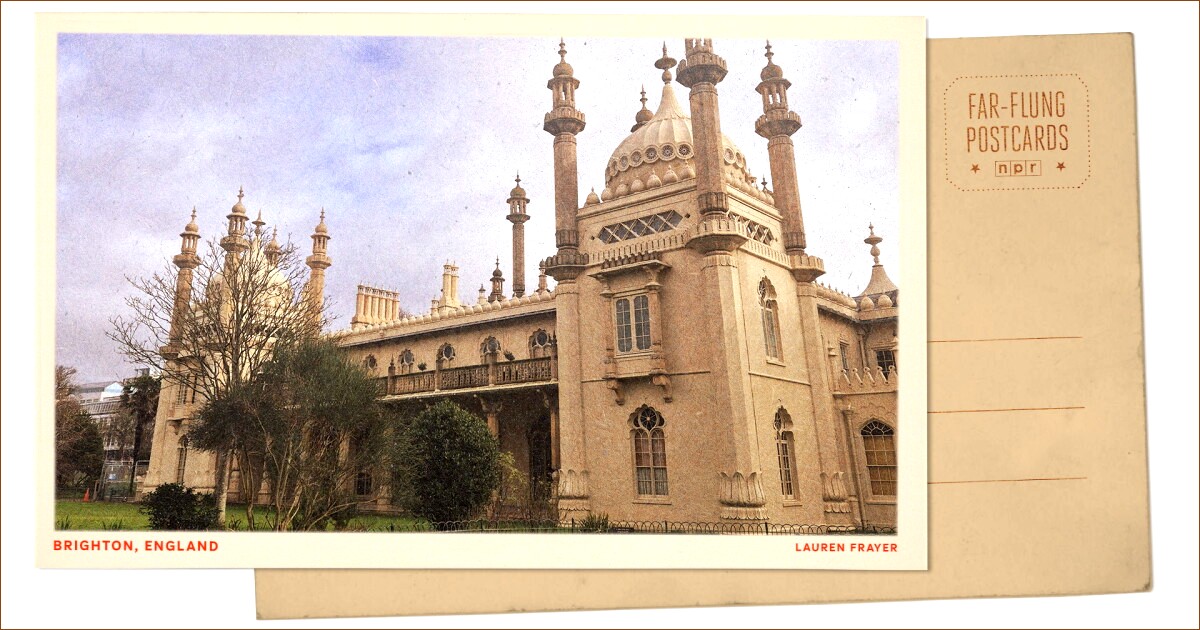
Last winter, while strolling through Brighton on England’s south coast, something caught my eye. I had just taken a brisk swim in the chilly English Channel, and as I made my way back to the train station under a drizzly sky, a familiar feeling washed over me. It was the Royal Pavilion, and it filled me with warm memories of my time in India.
Established in the late 1700s, the Royal Pavilion was built by British royalty who admired South Asian architecture as they expanded their influence in the region. It struck me that during my time in Mumbai, I often marveled at the Victorian-style buildings that reminded me of my husband’s hometown in northern England. Looking up at the pavilion, I realized that the British not only left an imprint on India but also brought a piece of India back home with them.
Queen Victoria, also known as the “Empress of India,” even stayed at the Royal Pavilion during the 1830s and 40s. She enjoyed the serene seaside retreat until the arrival of everyday people, thanks to new railways, turned it into a bustling getaway. She eventually moved to Buckingham Palace, taking with her the beautiful lotus-flower chandeliers from the pavilion.
During World War I, this historic building served as a military hospital, treating countless Indian soldiers fighting alongside the British. The facilities even provided separate kitchens to accommodate different castes, while Muslim soldiers could pray towards Mecca from the nearby east lawn.
Today, the gardens crafted for King George IV are currently being restored. They have turned into a vibrant green space for the city and were among the first venues to host weddings after the UK legalized same-sex marriage in 2014. Having withstood years of royal whims and even an arson attack, the pavilion now stands as a museum for everyone to explore.
It makes me ponder what Queen Victoria would think of the Royal Pavilion’s transformation into a space for the public. The history and stories it holds continue to bridge connections across cultures and time.
