
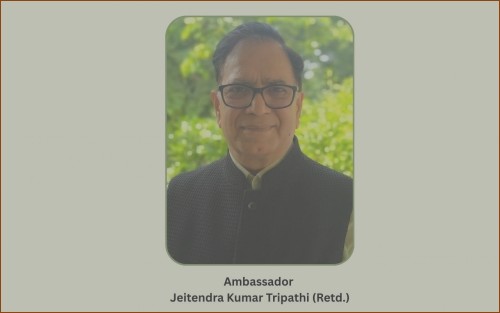
Diplomacy in Focus: Putting Citizens First
In recent years, the concept of diplomacy has shifted from a narrow focus on political and economic relations to a broader approach that includes the needs of citizens. This change is largely due to globalization, technological advancements, and increased travel. Recognizing this trend, India has embraced a citizen-centric foreign policy, placing the well-being and interests of its citizens at the forefront of its international engagements. This shift has made the Ministry of External Affairs more attentive to the needs of Indians living abroad.
A Changing Perspective
Historically, Indians living overseas, often referred to as Non-Resident Indians (NRIs) or persons of Indian origin, were not prioritized in government policies. They were seen as individuals who left India for personal gain. However, as the 21st century progressed, it became clear that this diaspora significantly contributes to India’s economy through remittances and investments. Today, the Indian diaspora numbers over 35.4 million people, making it larger than the combined populations of Australia and New Zealand, and in the last financial year alone, they sent back $135.46 billion to India. Many members of this community have also achieved notable positions in their respective countries, underscoring their importance in India’s foreign relations. Consequently, the Indian government has recognized the value of this vast network, leading to initiatives aimed at engaging and supporting them.
Key Aspects of Citizen-Centric Diplomacy
The Indian government has implemented several measures to support its citizens abroad, focusing on every aspect from passport applications to safe travel and return to India. With more Indians choosing to travel overseas, the government has introduced new passport offices across districts, digitized application processes, and opened additional international airports. Programs like the Prior to Departure Orientation and Training (PDOT) prepare travelers, while the Pravasi Bhartiya Bima Yojna provides health insurance for Indians abroad. Partnerships with eight countries have been formed to ensure better mobility and security for workers, and social security agreements have been established with nineteen nations.
To further aid citizens, an e-migrate application has been launched to inform them about working abroad, and the MADAD multilingual help portal is available for assistance around the clock. Various initiatives, such as the Indian Community Welfare Fund, offer emergency support for stranded Indians, while open houses at embassies allow officials to hear community concerns. Successful rescue missions have also been conducted for Indians in conflict zones, such as Ukraine and Yemen.
Facing Challenges
Despite these advancements, challenges remain. With more Indians traveling abroad, Indian missions are increasingly strained, often facing staffing shortages. Assisting citizens in unstable countries adds another layer of difficulty. Furthermore, misinformation spread by unscrupulous agents and varying local laws complicate matters for individuals seeking help.
Looking Ahead
To tackle these challenges, increasing staff and resources at foreign missions is crucial, along with providing thorough training for personnel before their assignments. Making pre-departure orientation mandatory for travelers abroad would also help mitigate risks. Additionally, measures to curb misleading information from touts are essential.
Conclusion
It is encouraging to see the Indian government acknowledging the role of citizens in its diplomatic efforts. By effectively addressing their issues and directing more resources toward support systems, India’s citizen-centric diplomacy has the potential to thrive and better meet the needs of its people abroad.
