
Trust in Regional Partners Questioned Amid Iran Negotiations
Retired Army General Jack Keane has raised concerns about the trustworthiness of Pakistan, Qatar, and Saudi Arabia as mediators in discussions with Iran. He accused these countries of influencing U.S. President Donald Trump away from military pressure, leaving the United States and Israel at risk of confrontation with Tehran.
During a recent appearance on “America’s Newsroom,” Keane, who is a senior strategic analyst and former Army vice chief of staff, described Pakistan and Qatar as “compromised” mediators, suggesting they prioritize Iran over U.S. interests.
“It’s well known that both the Pakistanis and the Qataris are on the side of Iran, which affects their ability to mediate effectively,” Keane stated, emphasizing that this bias isn’t a new issue in Middle Eastern dynamics.
Nuclear Experts Warn Against Bias in Negotiations
Despite Keane’s criticisms, Trump praised Pakistan’s involvement in advancing negotiations with Iran, mentioning their positive contributions in a phone interview. He emphasized that the U.S. and Iran are in the process of negotiating a memorandum of understanding, with hopes for further progress.
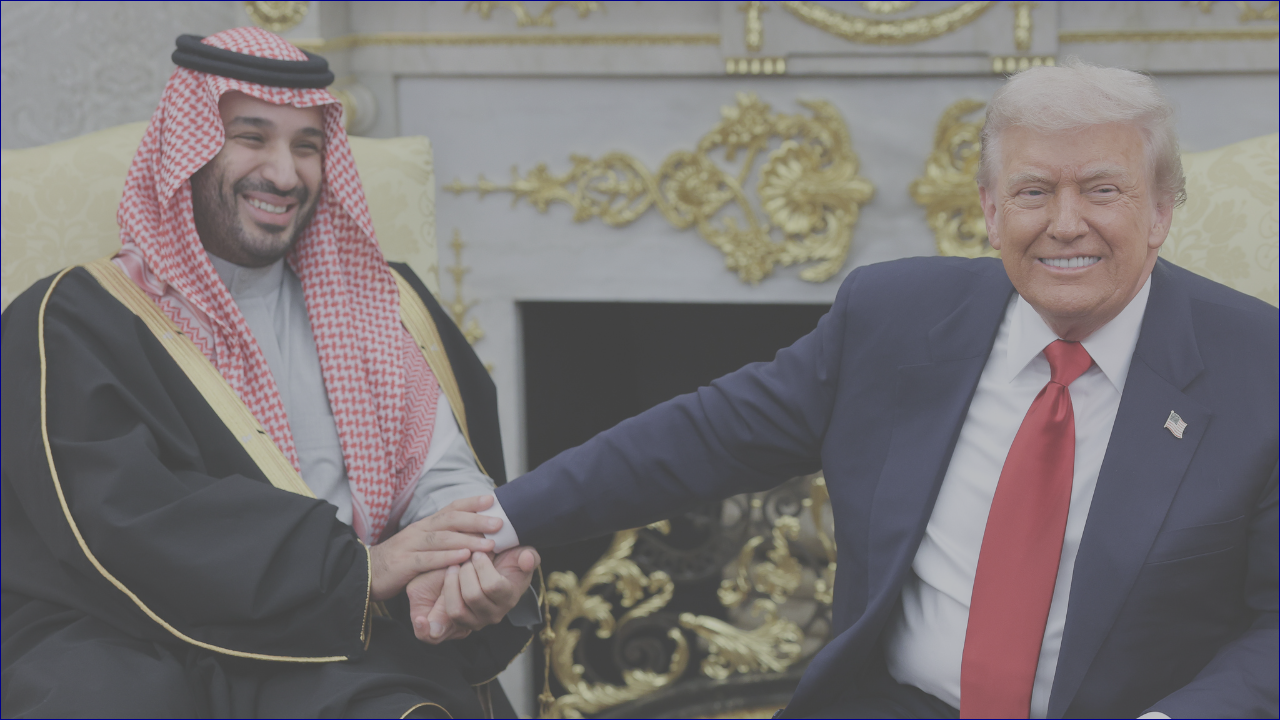
Trump also acknowledged efforts from both Pakistan and Qatar in fostering negotiations, with the White House highlighting President Trump’s strong relationships with regional leaders and their collective role in talks.
In contrast, Keane suggested that the involvement of these countries could mislead Washington about Iran’s real intentions. He expressed doubt that Iran would relinquish meaningful control over the Strait of Hormuz, a strategic waterway.
Mediators Actively Involved in Talks
The diplomatic conversations, under the Islamabad Memorandum of Understanding, involve working groups tackling nuclear issues, sanctions, and maritime security. However, responses from Pakistan, Saudi Arabia, and Qatar’s officials have not been forthcoming regarding Keane’s claims.
Raza Rumi, a journalist from Pakistan’s The Friday Times, defended Islamabad’s involvement, suggesting that good mediators need to keep open lines of communication with all parties.
“Pakistan’s geography and history influence its approach, as it needs stability on its border with Iran while maintaining ties with the U.S.,” Rumi explained.
Criticism of Saudi Arabia’s Position
Keane’s remarks also criticized Saudi Arabia, claiming it restricted U.S. access to its airspace and discouraged military action against Iran. He argued that Saudi leaders favor avoiding sacrifice on their part while expecting others to confront Iranian aggression.
However, a Saudi analyst countered that Riyadh differentiates between necessary deterrence and unrestrained military action. They emphasize diplomacy but want a verifiable agreement that includes managing Iran’s nuclear program and preserving navigation freedom in the Strait of Hormuz.
The ongoing discussions about Iran’s nuclear threat reflect deep divisions among Gulf states, with some favoring a firmer stance while others advocate for accommodation.
Uncertain Future for Negotiations
As negotiations continue, the uncertainty remains over whether a robust agreement can be achieved or if Iran will maintain leverage over vital waterways. Keane expressed skepticism about Iran’s willingness to make concessions, emphasizing the challenges ahead.
With multiple nations involved in mediation, the stakes are high as talks progress, and the outcome might shape regional dynamics for years to come.
