
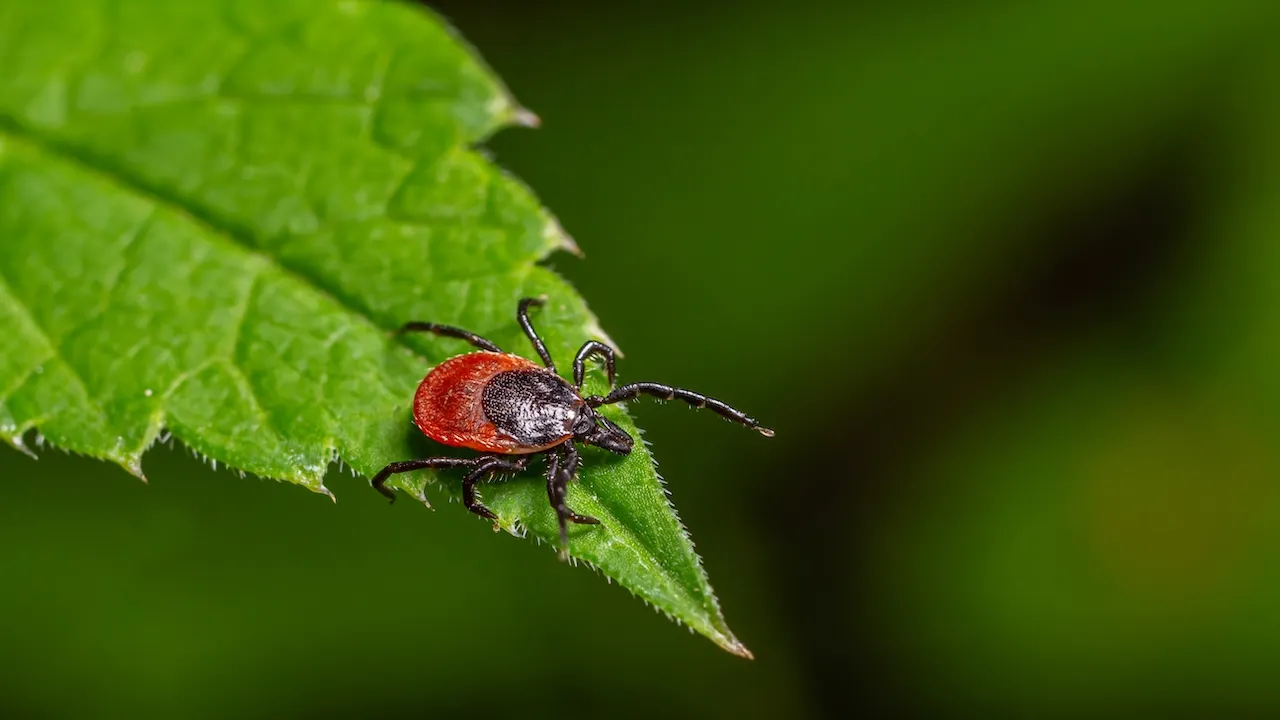
Health Alert: Tick-Borne Illness Detected on Long Island
Health officials on Long Island are sounding the alarm after confirming three cases of a rare tick-borne illness known as tularemia, often referred to as “rabbit fever.” The Suffolk County Department of Health Services (SCDHS) reported these probable cases recently, stressing the importance of awareness within the community.
According to the SCDHS, diagnosing tularemia involves extensive laboratory tests and specific clinical criteria, which can take time to confirm. One of the cases involves a 9-year-old boy who was bitten by a tick while playing outside. After the tick was removed, he experienced severe symptoms, including high fever, intense pain, swollen lymph nodes, and extreme fatigue. It took almost a month before a specialist finally diagnosed him with tularemia.
The boy’s mother noted that while their yard is frequented by wild rabbits, he did not interact with them. Instead, health experts believe that it’s likely that the infected tick had fed on the rabbits before biting the boy.
Understanding Tularemia
Tularemia is caused by the bacteria Francisella tularensis, which primarily infects animals like rabbits and rodents but can also spread to humans. The Centers for Disease Control and Prevention (CDC) classify this bacteria as a significant threat to public health, emphasizing the necessity for vigilant public awareness and control measures.
While tularemia is uncommon—with just 196 reported cases in the U.S. this year—experts noted a rise in incidents in recent years. Between 2011 and 2022, the CDC documented 2,462 cases, marking a 56% increase from the previous decade. Dr. Daniel Ruderfer, head of Pediatric Infectious Diseases at Hackensack Meridian Health, believes improved detection methods may be a major factor in this uptick.
Humans can catch tularemia through bites from ticks or deer flies, direct contact with infected animals, or even through contaminated water. Symptoms can range widely but generally include fever, chills, headaches, and fatigue, along with cough and abdominal pain in some cases.
Even though the disease is treatable with antibiotics, there is currently no vaccine available. The death rate is low—typically less than 2%—but can rise to 24% in severe cases. Dr. Ruderfer warns that the infection can be life-threatening if not properly treated.
Children aged 5 to 9 years, older men, and certain Native American populations are noted to be at higher risk. While the general population isn’t at a significant risk unless they come in contact with infected wildlife, those who frequently hunt or handle rabbits are urged to seek medical attention if they show concerning symptoms.
Stay Informed and Safe
As this situation unfolds, health officials are encouraging residents to stay informed about risks, symptoms, and precautions regarding tick-borne illnesses. By being vigilant and aware, residents can protect themselves and their families from potential threats.
