
Understanding Food Date Labels: What You Need to Know
SAN FRANCISCO (AP) — Have you ever thrown away a carton of milk or some yogurt just because the date on the label was past? If so, you’re not the only one. Many people are quick to toss food when they see those dates, but experts say that often the food is still perfectly safe to eat.
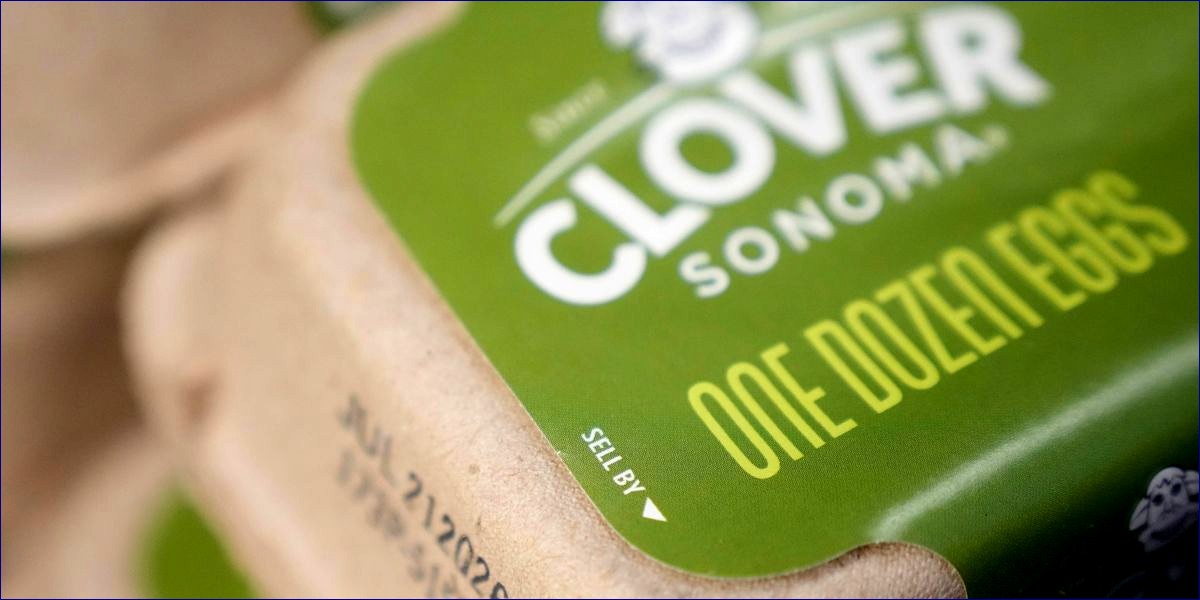
In the U.S., there aren’t any federal rules about food date labels, except for baby formula. This makes terms like “Best Before,” “Best By,” “Best If Used By,” and “Sell By” quite confusing. Most people don’t realize that these dates are more about quality and freshness rather than safety.
To help clear things up, California has introduced a new law requiring food companies to use just two labels: one for quality and another for safety.
The Many Labels Confusing Consumers
A study from the Johns Hopkins Bloomberg School of Public Health found that over 80% of Americans occasionally discard food as it nears the printed date. According to Donald Schaffner, a food safety expert at Rutgers University, “The date labels guarantee quality up until that point. They are not about the safety of a product.”
Food labeling varies by state and is determined by individual manufacturers, with more than 50 different labels in use across the country, as noted by researchers from the University of Maryland. Rachel Zemser, a food scientist from the San Francisco Bay Area, explained that these labels reflect when the manufacturer believes the product will taste best.
Keeping Food Safe: What You Should Know
Many canned goods like beans, tomatoes, or shelf-stable milk can last for years past their expiration dates. Similarly, dry items like cookies and crackers have a good shelf life because their low moisture content prevents bacteria from growing. Zemser adds, “People can use their best judgment by smelling and tasting the product. Stale cookies might not be great, but they won’t harm you.”
When it comes to meat, however, caution is key. Items like beef, chicken, and fish can spoil even in the fridge. Wrapping them properly and freezing them before the “best by” date can help extend their freshness. Zemser points out that most bacteria thrive in moist environments, which is why dry foods can be safer.
For more detailed suggestions on food freshness, the FoodKeeper app, developed by the Department of Agriculture and other institutions, offers great guidance.
California’s New Approach to Food Labels
California has made strides in standardizing food labels by eliminating “sell by” dates through a law that went into effect on July 1. Now, manufacturers are required to use two new labels: “Best If Used By” for quality and “Use By” for safety. Nate Rose from the California Grocers Association explains that “sell by” dates are mainly for store management, ensuring products are displayed before quality decreases.
Recently, New York state has passed similar legislation, waiting for Governor Kathy Hochul’s signature.
Safety Over Quality: What to Keep in Mind
Infant formula is the only product legally required to display an expiration date in the U.S.; it should not be consumed past that date due to nutritional decline. Schaffner emphasizes the importance of monitoring your food and checking for signs like mold or unusual smells before deciding to toss it out.
In general, practice good food management. Buy only what you can consume and avoid purchasing in excess. “Who wants to eat poor quality food?” Schaffner asks, encouraging people to make informed choices.
