
Robotaxis and Emergency Safety Concerns
The National Highway Traffic Safety Administration (NHTSA) is raising alarms about the safety of robotaxis. They’ve reported several cases where these autonomous vehicles have driven into areas where first responders were active, hindering emergency operations. The NHTSA has stated that if a self-driving car cannot safely interact with emergency personnel, it poses a significant threat to public safety. This month, they plan to meet with developers of robotaxis to discuss potential solutions.
Rising E-Bike Incidents in Detroit
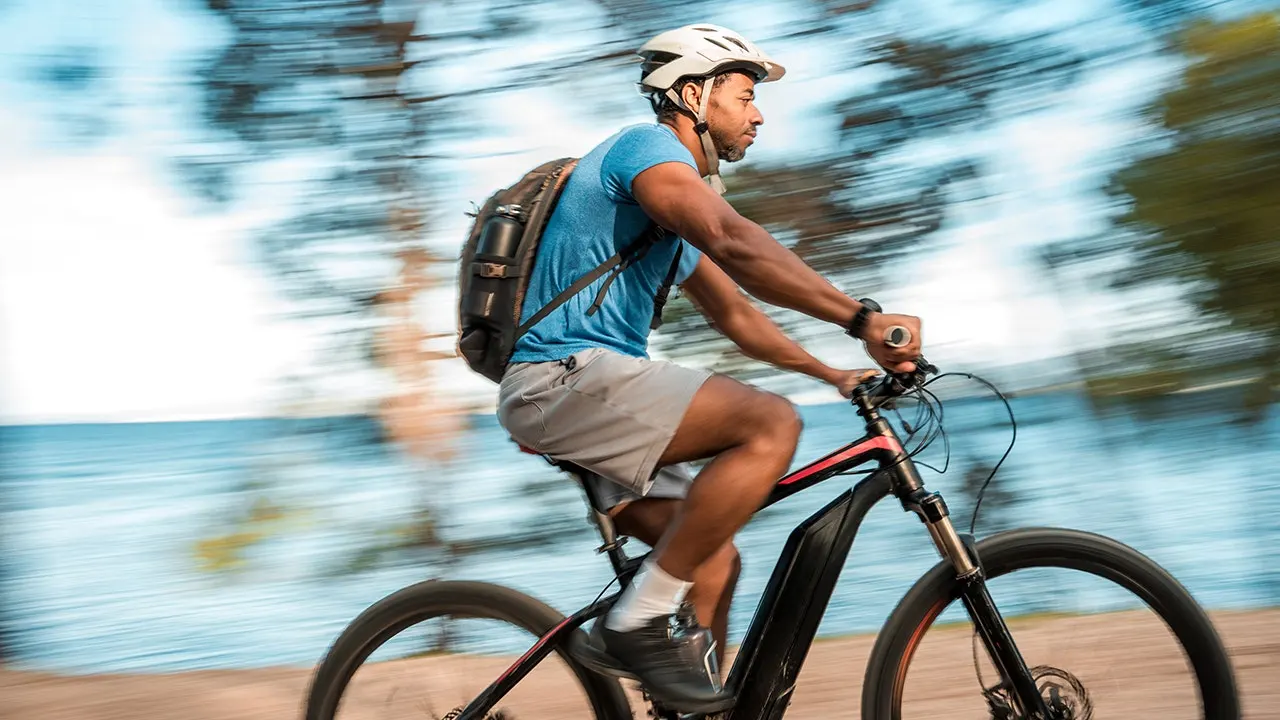
In Detroit, electric bikes (e-bikes) are increasingly linked to serious accidents. Local police report a surge in e-bike crashes, and doctors are noticing a rise in related injuries. This uptick has prompted some communities to consider restrictions or outright bans on e-bikes.
E-bikes can hit speeds of up to 28 miles per hour, which can make accidents more severe on both sidewalks and streets. Dr. Robert Sherwin, an emergency room physician at Detroit Medical Center, shared that he’s treating a mix of minor injuries and more serious trauma caused by e-bike accidents.
John Hughes, a local bike shop owner, stated that e-bikes are often treated like regular bicycles, but they are closer in speed and weight to motor vehicles. He noted that “cars aren’t on the lookout for bikes,” which heightens the risk of accidents, especially with so many drivers distracted by their phones.
Stricter Regulations Ahead
As safety concerns mount, some states are taking action. New Jersey has enacted a law requiring e-bikes to be registered. Riders must be at least 15 years old and have either a driver’s license or an e-bike license. This law aims to promote safe riding, especially in light of recent tragedies.
In New York City, a report from NYU Langone Health highlights that injuries from e-bikes and scooters are rising. Data shows that accidents involving these vehicles accounted for nearly 7% of trauma patients in one hospital.
The report reveals that over one-third of the patients treated for e-bike-related injuries suffered from traumatic brain injuries. Many of these cases involved collisions with cars or trucks. Alarmingly, fewer than one-third of the riders wore helmets, leading to a higher rate of severe injuries.
Dr. Hannah Weiss from NYU emphasized the need for better protective measures and infrastructure to prevent these injuries. She suggested that effective solutions could include promoting helmet use, improving bike lane designs, and enforcing speed limits. Dr. Paul Huang added that urban infrastructure needs to evolve quickly to keep up with the surge in electric bikes and scooters.
Conclusion
As robotaxi technology advances, discussions about safety and regulation will become crucial. Similarly, the growing popularity of e-bikes calls for community awareness and stronger regulations to ensure the safety of both riders and pedestrians.
