
Adaptability and Self-Awareness: Key Traits Investors Seek in Healthcare Founders
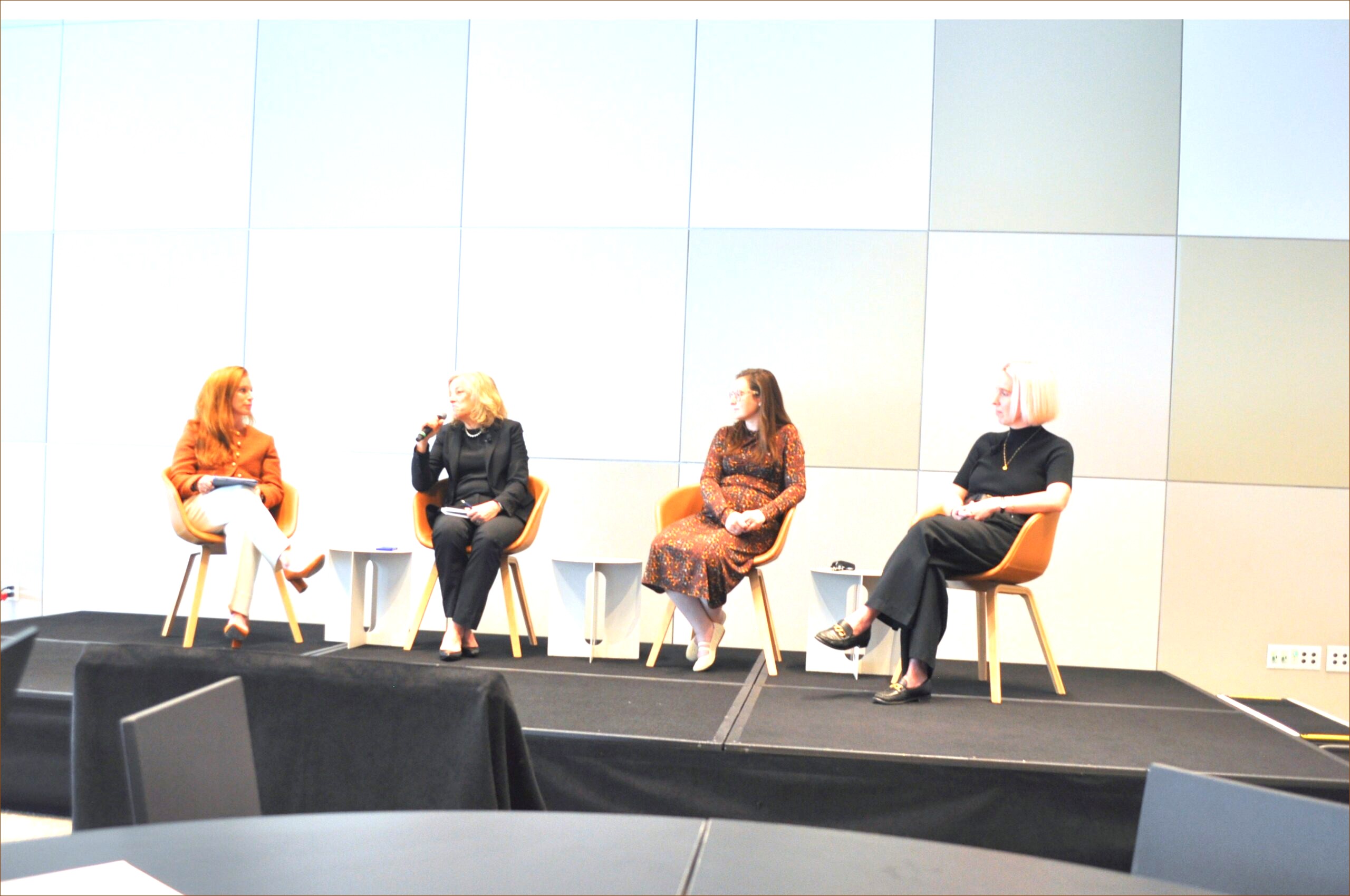
Digital health investors have listened to countless founders declare, “Healthcare is broken, and I can fix it.” However, during a recent panel at MedCity News’ Bullseye event in Chicago, three investors shared insights that suggest this type of bold claim might be a red flag rather than a strength. They are more interested in founders who are confident but also aware of their limitations.
Anna Fagin, a partner at Town Hall Ventures, emphasized that her firm values entrepreneurs who have had to pivot or even face failure. In a rapidly changing landscape of regulations and technology, being adaptable is more important than simply having a flawless track record. “It takes courage to be an entrepreneur while also being open-minded,” Fagin stated, highlighting the importance of being flexible in decision-making.
Dana Watt, a partner at Breakout Ventures, added that adaptability must be balanced with discipline. With AI tools making it easier to experiment, many founders can end up diluting their efforts rather than building a significant advantage. Watt looks for founders who have a clear understanding of their strengths and are determined to protect those strengths as a unique advantage. “Focus is crucial these days,” she noted.
Self-awareness also plays a key role in the teams that founders build. Watt pointed out that one of the most encouraging signs for first-time founders—who represent about half of Breakout’s portfolio—is their ability to assemble a strong team of co-founders, employees, and advisors. It’s not enough to have a great idea; founders must also attract talented individuals who are willing to invest their careers in the venture, especially when competing with big names like OpenAI for talent.
Lisa Carmel, who heads business development at Mayo Clinic, echoed the sentiment that self-awareness can set apart promising founders. “Recognizing their blind spots is an incredibly valuable skill,” she said. She cited Vitestro, a robotic phlebotomy startup in Mayo’s portfolio, as an example of a first-time CEO who successfully recognized the need for U.S. market expertise and brought in a former Solstice Capital partner to address that gap.
In summary, securing funding doesn’t always mean a founder is the smartest person in the room. Often, the most successful founders are those who are aware of their limitations and know when to seek help.
