
Young Protesters Blend Activism with Social Media at CJP Protests
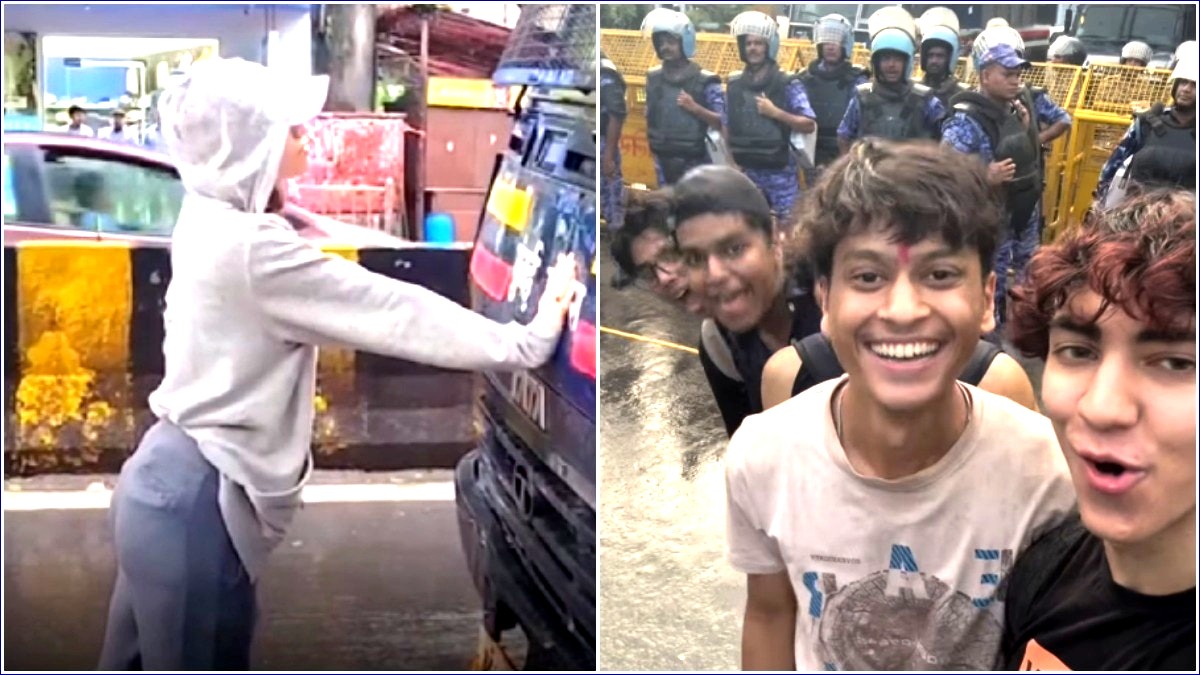
At a protest site buzzing with energy, where chants filled the air and police barricades marked the streets, an interesting scene was playing out. Young protesters were not just voicing their concerns; they were capturing the moment on their phones, turning serious events into social media content.
At the Cockroach Janta Party (CJP) protests in Delhi’s Jantar Mantar, many youth saw the event as more than just a chance to speak out. They were busy creating videos—some danced during tense moments, while others recorded stylish “Get Ready With Me” clips to share online. This fresh approach merged the seriousness of activism with the fun of social media trends.
The CJP movement kicked off online and transformed into a larger protest on the streets, shaped significantly by platforms like Instagram and X. Participants frequently shared their experiences, making individual videos go viral and reach a broader audience.
One notable trend was how some attendees treated the protest like a live diary. A young man filmed a “Get Ready With Me” video from his home, showcasing his outfit and preparations before he headed to join fellow protesters.
At Jantar Mantar, the atmosphere turned unexpectedly casual when a group opted to play Uno—a card game typical during leisure times—amid the serious backdrop of protests and police presence. This light-hearted activity became a social media sensation, illustrating the creativity and humor of young protesters.
Even amid moments of tension, when clashes erupted between protesters and authorities, some individuals maintained their focus on documenting the scene. Videos emerged of protesters dancing and using catchy sounds, which stood in stark contrast to the gravity of the situation, highlighting a unique way Gen Z communicates.
One particularly striking moment featured a woman from Mumbai standing in front of a police vehicle, demanding the release of detained protesters. Her bold stance quickly gained attention, symbolizing courage amidst adversity.
For many young participants, the protest also marked their first experience of online visibility. Those who previously had a smaller following saw their social media presence grow after sharing protest-related content. Their videos, filled with emotional moments and candid behind-the-scenes clips, attracted viewers who might not have engaged with traditional news coverage.
This blend of activism and storytelling represents a shift in how protests are documented today. Unlike past movements where participation often ended at the protest site, today’s young activists carry their experiences back to the digital realm. Every chant, joke, outfit choice, and emotional moment has the potential to become a viral story.
For some, the camera is a tool to amplify their message. For others, it’s simply how their generation records life—whether at a concert, college, or during a protest.
The CJP demonstrations highlighted that for Gen Z, activism occurs both on the streets and online, turning every moment into a story, conversation, or potential viral video in just moments.
