Close Menu
  • Home
  • World News
  • India News
  • Business News
  • Health
  • Sports
  • Indian Diaspora In US
  • Technology
  • Bollywood
  • Education
Facebook X (Twitter) Instagram
Saturday, August 29, 2026
Breaking News
  • Dan Lawrence Shines with Fifty as England Maintains Lead on Weather-Interrupted Day 3 at Lord’s Test Against Pakistan
  • Strengthening Bonds with Central Asia: A Key Focus for PM Modi
  • Chandigarh’s Race: Less Congestion, Smooth Finish!
  • Apple’s RAM Supplier to Provide Memory Chips for Xiaomi’s New Folding Phone
  • Hot Off the Press: Mirzapur the Movie Gets ‘A’ Rating and Spans 3 Hours and 17 Minutes; Takes a Bold Turn with Animal and Dhurandhar The Revenge Vibes!
  • Argentina Triumphs Over Netherlands in Women’s Hockey World Cup Final, Dashing Dutch Dominance
  • Nepal Floods Claim 676 Lives as Relentless Rain Halts Rescue Efforts
  • Infosys Public Services CEO Goes Silent Amidst Hundreds Missing in Nepal Floods
Facebook X (Twitter) Instagram
India Bulletin
Advertisement
  • Home
  • World News
  • India News
  • Business News
  • Health
  • Sports
  • Indian Diaspora In US
  • Technology
  • Bollywood
  • Education
India Bulletin
Home»Health»Just Four Minutes of Daily Exercise Boosts Mobility in Seniors, Penn State Study Reveals
Health

Just Four Minutes of Daily Exercise Boosts Mobility in Seniors, Penn State Study Reveals

June 23, 20263 Mins Read
Facebook Twitter Email
Share
Facebook Twitter Email


Just Four Minutes of Daily Exercise Can Boost Health for Older Adults

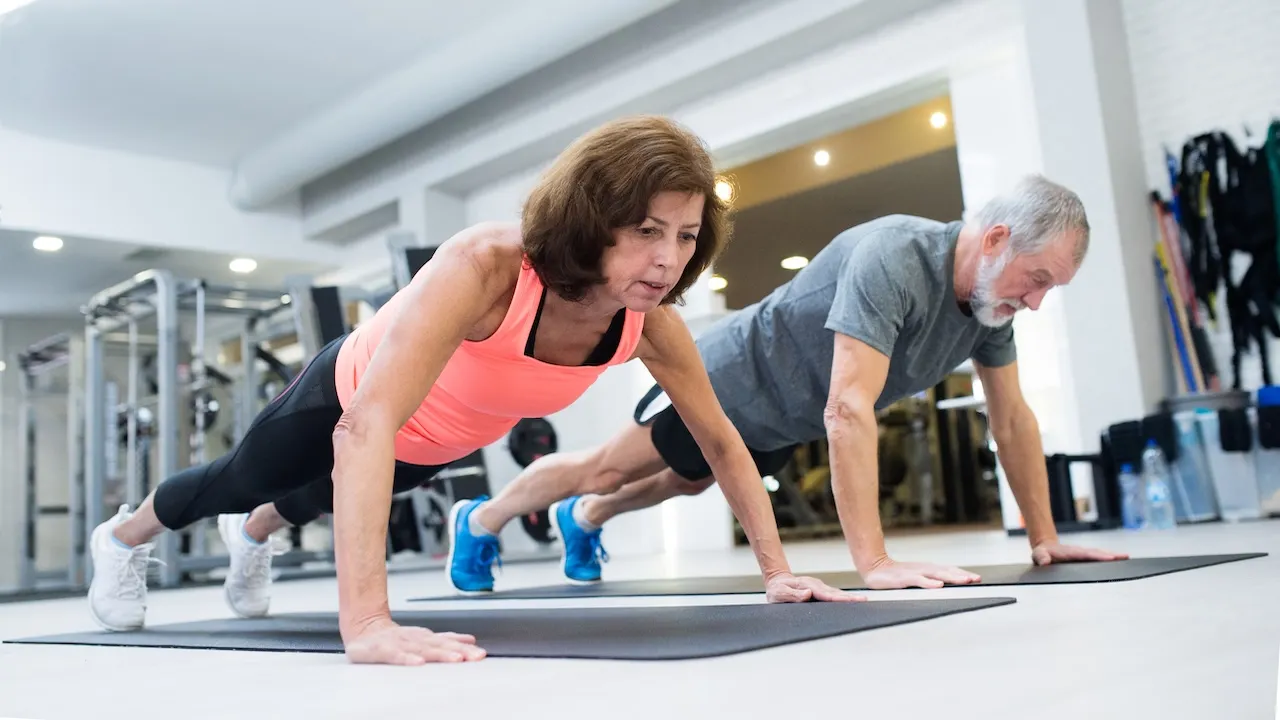
New research from the Penn State College of Medicine shows that spending just four minutes a day on strength exercises can significantly improve mobility, balance, and leg strength in older adults. This study highlights a simple approach to enhancing physical health without needing extensive workout routines.

Public health guidelines recommend at least 150 minutes of moderate exercise each week. However, the study reveals that less than 20% of older adults actually meet muscle-strengthening exercise recommendations.

The research team developed a home-based program named Functional Activity Strength Training (FAST-2). They studied 97 older participants, aged 65 and above, with an average age of 74. Before the program, these adults were only averaging 18 minutes of physical activity each week.

Participants were divided into two groups: one group carried out a daily exercise routine while the other group did not engage in any intervention. Each exercise session included four basic movements: push-ups, chair stands, resistance-band rows, and stair stepping. Each movement lasted 30 seconds and was followed by a short 30-second rest, making the entire session only four minutes long.

To make the program accessible, researchers provided clear instructions and modifications, allowing participants to perform push-ups against a wall if needed or use their hands on their knees during chair stands. They also received elastic resistance bands and a step platform for their workouts.

Co-author Smita Dandekar, an associate professor at Penn State, explained that exercise can be complex, involving decisions about repetitions, sets, and rest. “By keeping it short, we can make it easier,” she noted.

As participants grew stronger, they were encouraged to try more challenging variations of the exercises, like higher step platforms or fewer modifications.

After 12 weeks, results showed that even a brief and regular exercise routine could have meaningful effects. For instance, in a chair-stand test, the exercise group completed an average of 4.2 more repetitions than the non-exercising group. They also improved their performance in a test measuring how quickly they could stand and sit down multiple times.

Lead author Christopher Sciamanna highlighted the importance of these improvements, stating that they indicate an older adult’s future health and their ability to remain active independently.

Remarkably, participants completed their exercises on 81% of the tracked days, a significant achievement compared to traditional home exercise programs, which often see lower engagement.

The study, published in the journal PLOS One, does have some limitations. It involved a small group of participants over a shorter period, so further research is needed to understand whether these benefits can be maintained long-term or how they might apply to those with more severe physical limitations.

In summary, this study offers promising news for older adults: By dedicating just a few minutes each day to simple strength exercises, they can substantially boost their mobility and overall health.

fitness fitness and wellbeing geriatric health Health longevity medical research
Share. Facebook Twitter Email
admin
  • Website

Related Posts

Emraan Hashmi Battles Influenza A and Swine Flu, Delays Bengaluru Appearance: Bollywood Buzz

August 29, 2026

FAU Researchers Create Quantum Model to Forecast Heart Disease

August 29, 2026

Therapist Unpacks ‘Quiet Quitting’ in Marriage and Offers Pathways to Renewal

August 29, 2026
  • Facebook
  • Twitter
  • Instagram
Don't Miss

Dan Lawrence Shines with Fifty as England Maintains Lead on Weather-Interrupted Day 3 at Lord’s Test Against Pakistan

Strengthening Bonds with Central Asia: A Key Focus for PM Modi

Chandigarh’s Race: Less Congestion, Smooth Finish!

Apple’s RAM Supplier to Provide Memory Chips for Xiaomi’s New Folding Phone

Started in 2004, India Bulletin is the largest and
most read South Asian publication
in Chicago and surrounding Midwest.

  • Home
  • About Us
  • Contact
  • Advertise With Us
  • Privacy Policy
  • Terms of Use
  • Disclaimer
  • CCPA
News
  • Bollywood
  • Business News
  • Health
  • India News
  • Indian Diaspora In US
  • Sports
  • Technology
  • World News
Facebook X (Twitter) Instagram

Type above and press Enter to search. Press Esc to cancel.

Accessibility Adjustments

Powered by OneTap

How long do you want to hide the toolbar?
Hide Toolbar Duration
Select your accessibility profile
Vision Impaired Mode
Enhances website's visuals
Seizure Safe Profile
Clear flashes & reduces color
ADHD Friendly Mode
Focused browsing, distraction-free
Blindness Mode
Reduces distractions, improves focus
Epilepsy Safe Mode
Dims colors and stops blinking
Content Modules
Font Size

Default

Line Height

Default

Color Modules
Orientation Modules