
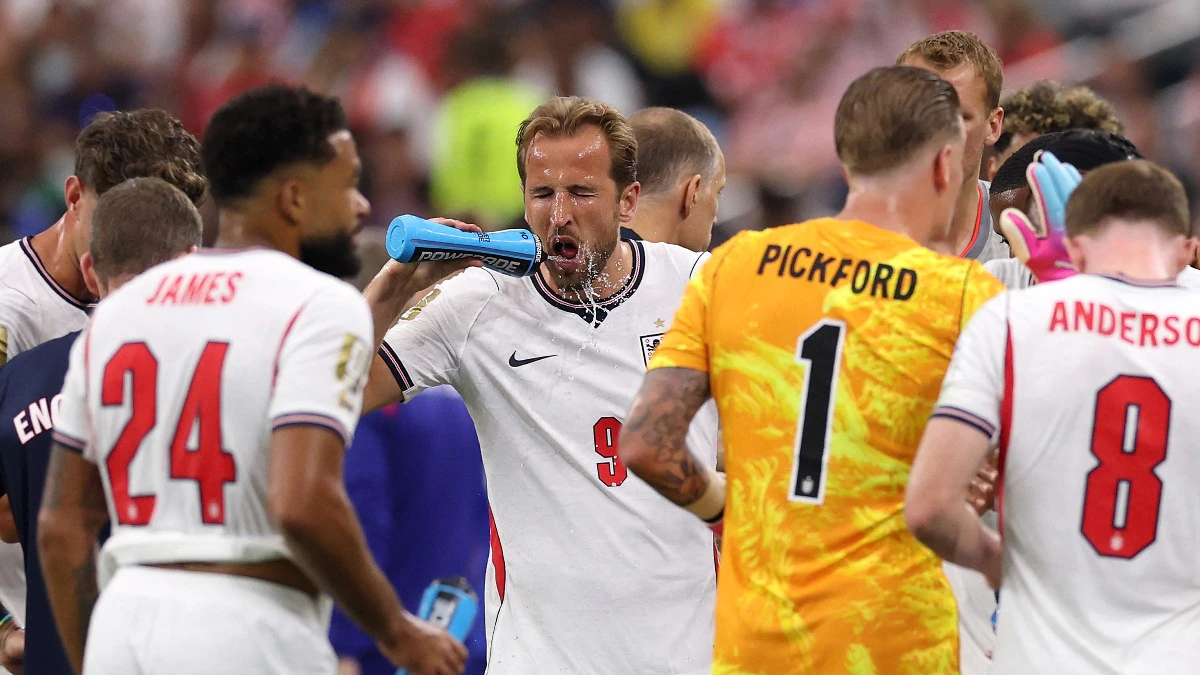
FIFA World Cup 2026: The Heated Debate Over Hydration Breaks
The FIFA World Cup 2026 has been an exciting tournament for football fans everywhere, showcasing impressive goals, strategic plays, rising stars, and unforgettable moments. However, a new discussion has emerged regarding the mandatory hydration breaks introduced during matches.
These breaks, known as cooling or hydration breaks, last three minutes and take place around the 22nd minute of each half, regardless of the weather. The rule aims to ensure player safety, but many fans, players, and coaches are divided on whether they are necessary. Referees oversee these stoppages to maintain consistency across all matches, with broadcasters seizing the opportunity to air advertisements during this time.
Is It Disrupting the Flow of the Game?
Football is all about maintaining momentum, with a comeback often built through sustained pressure and teamwork. When play is halted just as key moments are unfolding, it can break that rhythm. Many in the football community believe that these hydration breaks disrupt the game’s essence.
Players and coaches have expressed their concerns. For instance, Netherlands captain Virgil van Dijk pointed out that while hydration breaks might be beneficial in extreme heat, they often aren’t needed in more moderate conditions. Similarly, USA coach Mauricio Pochettino echoed this view, stating that the breaks seem unnecessary when the weather is favorable.
A Tactical Opportunity for Coaches?
On the other hand, some coaches see the breaks as a chance to reassess strategies. During a recent match where Brazil struggled against Morocco, the hydration break provided an opportunity for coach Carlo Ancelotti to regroup and deliver tactical advice. Following the break, Brazil found its rhythm and managed to level the score.
However, while the breaks can offer a time for tactical adjustments, they don’t always favor the team in need. In a match where Curacao was holding Germany to a draw, the break interrupted their momentum, and Germany quickly regained control, securing a convincing victory soon after.
Are Ads Taking Over?
Another pressing concern is whether these breaks are, at their core, just an avenue for more advertising. FIFA indicated that broadcasts should return to live action 30 seconds before play resumes, but some games have seen this guideline ignored. Many longtime fans worry that the integrity of the game is being compromised for commercial gain.
For instance, the thought of witnessing iconic players like Lionel Messi and Cristiano Ronaldo only to be interrupted by an advertisement can be frustrating for supporters.
How Are Fans Reacting?
The reaction from fans has not been very positive. During a recent match between England and Croatia, hydration breaks were met with boos from sections of the crowd. Even those in the stands seem to share the frustration of viewers at home.
While FIFA may have intended these breaks for player welfare, it’s clear that the true heartbeat of football lies in its fans. If FIFA plans to keep hydration breaks as a permanent fixture, they will need to ensure that they enhance rather than detract from the excitement of the game.
As the World Cup continues, all eyes are on FIFA’s decisions and how they will shape the future of football. For now, fans hope to enjoy the beautiful game in its uninterrupted glory.
