
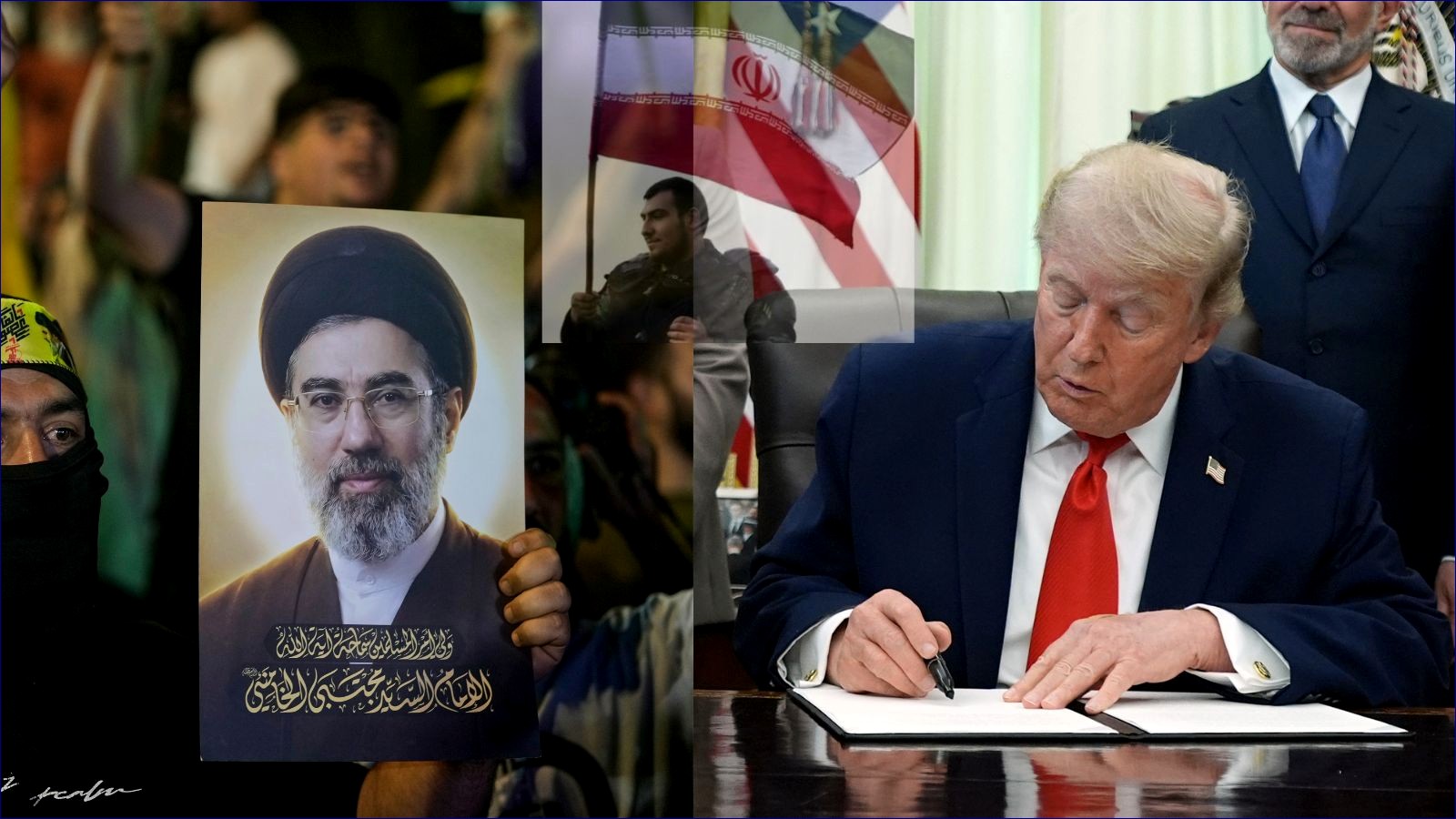
US and Iran Reach Historic Peace Agreement Set for Signing on June 19
A landmark peace agreement has been reached between the United States and Iran, aimed at ending military operations and reopening the Strait of Hormuz. This deal will be officially signed on June 19 in Switzerland, according to Pakistan’s Prime Minister, Shehbaz Sharif.
US Ambassador to the United Nations, Mike Waltz, celebrated the agreement, calling it a vital step for national security and a way to prevent Iran from developing nuclear weapons. He praised it as an exciting way to mark a special occasion on social media.
Senator Lindsey Graham, known for his strong views on Iran, acknowledged the agreement but raised concerns about different interpretations of its terms. He urged that the deal should be reviewed by Congress to ensure clarity.
European leaders from Italy, Germany, France, and the United Kingdom have expressed their willingness to lift sanctions on Iran, but only if the country takes clear and verifiable action to halt its nuclear program. Their collective stance emphasizes the necessity of preventing Iran from obtaining nuclear weapons while supporting Lebanon’s sovereignty.
The Iranian Supreme National Security Council confirmed the cessation of hostilities, including in Lebanon, and announced an end to the US naval blockade on its ports. Their statement declared, “The war and military operations on all fronts will end as of tonight.”
Retired US General Mark Kimmitt warned that various factors could jeopardize this delicate agreement. He mentioned possible disruptions from Israel, Hezbollah, Iran, or even the US. He noted that Israel’s interests may overlap with those of the US but might differ significantly in objectives. Given Hezbollah’s ongoing activities, the situation remains unstable.
UN Secretary-General Antonio Guterres welcomed the deal, calling it a “critical step” toward peace in the region. He congratulated both the US and Iran and recognized the agreement as a foundation for further negotiations.
While the agreement brings hope for peace, the situation remains complicated. Analysts caution that Israeli Prime Minister Benjamin Netanyahu’s expectations for a shift in Iran’s government and military activities might not come to fruition, especially with elections looming.
French President Emmanuel Macron expressed his support for the agreement, emphasizing the need for the unconditional reopening of the Strait of Hormuz. He acknowledged the collaborative efforts that led to this diplomatic breakthrough.
As the signing date approaches, more details about the agreement are emerging, though some crucial aspects remain unclear. This accord has provided a temporary sense of respite amid ongoing regional tensions, notably concerning Lebanon, where previous ceasefires have often failed.
