Close Menu
  • Home
  • World News
  • India News
  • Business News
  • Health
  • Sports
  • Indian Diaspora In US
  • Technology
  • Bollywood
  • Education
Facebook X (Twitter) Instagram
Wednesday, September 2, 2026
Breaking News
  • India’s Renewable Energy Surge Faces Grid and Storage Challenges
  • Meet Towhid Hridoy: The Bangladeshi Batter Who Just Made History with a Stunning 350 Not Out
  • Discover the Royal Pavilion: A Majestic Slice of Indian Heritage in Southern England
  • New Study Places Tampa Among America’s Top 20 Tech Hubs
  • Vedika Pinto Teams Up with Lakshya for Prosit Roy’s Latest Film, Promising a Unique Blend of Romance and Psychological Intrigue – Bollywood Buzz
  • Sister of NYPD Officer Fatally Stabbed in Times Square Reveals Ongoing Mental Health Battle
  • Patrick Reed and Bubba Watson Set to Compete in 2026 India Championship
  • Breakthrough Pill Promises Better Weight Loss and Fat Burning than Semaglutide
Facebook X (Twitter) Instagram
India Bulletin
Advertisement
  • Home
  • World News
  • India News
  • Business News
  • Health
  • Sports
  • Indian Diaspora In US
  • Technology
  • Bollywood
  • Education
India Bulletin
Home»Health»Rodents in the Pacific Northwest Show Surging Hantavirus Levels, Study Reveals
Health

Rodents in the Pacific Northwest Show Surging Hantavirus Levels, Study Reveals

May 22, 20263 Mins Read
Facebook Twitter Email
Share
Facebook Twitter Email


High Levels of Hantavirus Found in Pacific Northwest Rodents

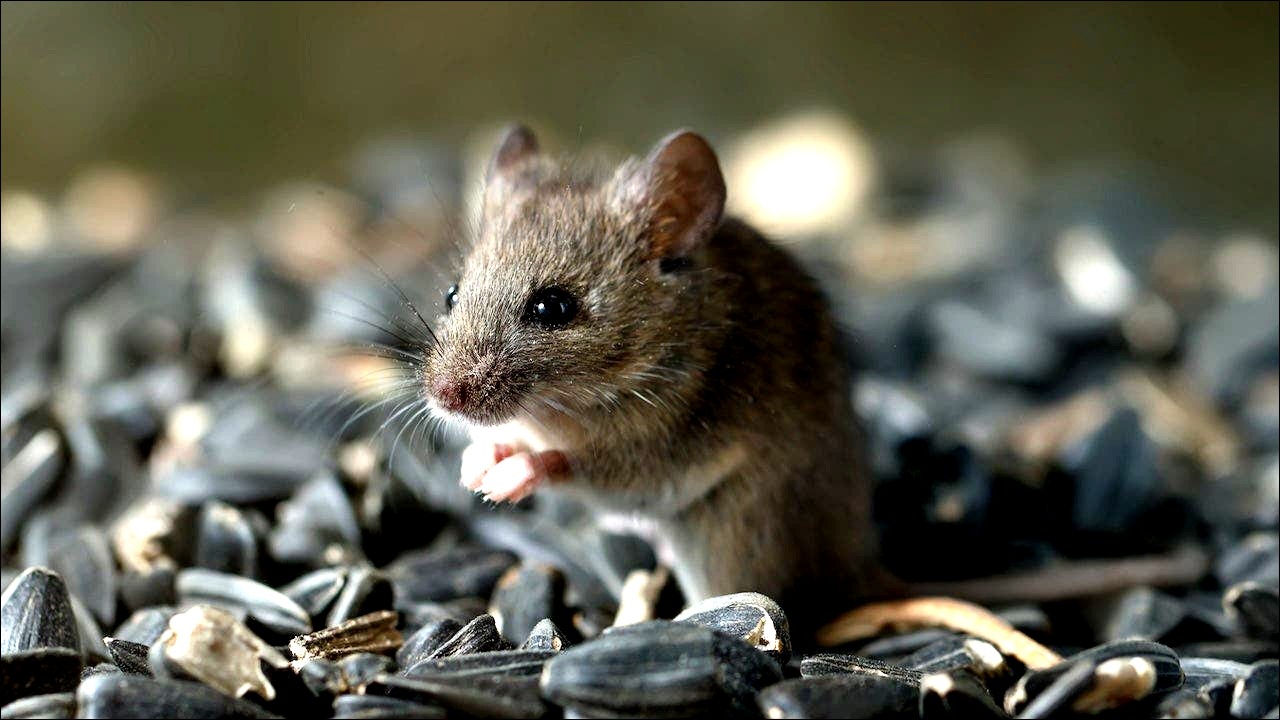
Recent research has revealed concerning levels of hantavirus in rodents within the Pacific Northwest, raising alarms about potential exposure risks for nearby farming communities. The study, conducted by scientists from Washington State University’s College of Veterinary Medicine, focused primarily on the Palouse region, which spans eastern Washington and north-central Idaho.

In summer 2023, researchers collected samples from 189 animals, including deer mice, voles, and chipmunks, across eight farms and two forest sites. The results showed that nearly 30% of these rodents had previous exposure to the Sin Nombre virus (SNV), the strain closely associated with hantavirus pulmonary syndrome (HPS), while about 10% had active infections.

Although deer mice are typically known to carry this virus, the study found infections in various rodent species, indicating that SNV may be more widespread in the region than previously believed. This new information highlights the importance of monitoring hantavirus in agricultural and rural areas.

Understanding Hantavirus Risks

Hantaviruses are primarily transmitted to humans through inhalation of aerosolized droppings, urine, or saliva from infected rodents. Unlike the Andes virus, which can spread from person to person, Sin Nombre virus does not follow this pattern, making it crucial for people in affected areas to take precautions.

Dr. Sonja Bartolome, a pulmonary expert not involved in the study, emphasized the relative rarity of hantavirus cases, with only 864 reported across the U.S. since tracking began in 1993. Most cases have occurred primarily in Colorado, New Mexico, and Arizona, with the majority being reported west of the Mississippi River.

Call for Action and Further Study

The study, published in the journal Emerging Infectious Diseases, calls for enhanced surveillance of hantavirus in the Pacific Northwest, particularly in agricultural regions where rodent exposure is likely. Researchers recommend that residents and farmers take steps to minimize contact with rodents and clean up areas where rodent activity is evident.

While the findings are significant, the study had limitations, as it only assessed rodent infections and did not evaluate human transmission risks. Researchers hope that longer-term studies will shed light on how environmental factors influence the prevalence of hantavirus.

Dr. Pilar Fernandez, a co-author of the study, noted, “People may be exposed more often than we realize, but severe cases are more likely to be tested for hantavirus.” Understanding the relationship between exposure and disease is a critical next step for future research.

This study underscores the need for continuous monitoring and education about hantavirus as it remains a concern for communities interacting with wildlife.

hantavirus Health infectious disease medical research outbreaks viruses washington
Share. Facebook Twitter Email
admin
  • Website

Related Posts

Sister of NYPD Officer Fatally Stabbed in Times Square Reveals Ongoing Mental Health Battle

September 2, 2026

Breakthrough Pill Promises Better Weight Loss and Fat Burning than Semaglutide

September 2, 2026

CDC Challenges Pennsylvania’s Measles Death Count, Excludes Fatalities from National Figures

September 2, 2026
  • Facebook
  • Twitter
  • Instagram
Don't Miss

India’s Renewable Energy Surge Faces Grid and Storage Challenges

Meet Towhid Hridoy: The Bangladeshi Batter Who Just Made History with a Stunning 350 Not Out

Discover the Royal Pavilion: A Majestic Slice of Indian Heritage in Southern England

New Study Places Tampa Among America’s Top 20 Tech Hubs

Started in 2004, India Bulletin is the largest and
most read South Asian publication
in Chicago and surrounding Midwest.

  • Home
  • About Us
  • Contact
  • Advertise With Us
  • Privacy Policy
  • Terms of Use
  • Disclaimer
  • CCPA
News
  • Bollywood
  • Business News
  • Health
  • India News
  • Indian Diaspora In US
  • Sports
  • Technology
  • World News
Facebook X (Twitter) Instagram

Type above and press Enter to search. Press Esc to cancel.

Accessibility Adjustments

Powered by OneTap

How long do you want to hide the toolbar?
Hide Toolbar Duration
Select your accessibility profile
Vision Impaired Mode
Enhances website's visuals
Seizure Safe Profile
Clear flashes & reduces color
ADHD Friendly Mode
Focused browsing, distraction-free
Blindness Mode
Reduces distractions, improves focus
Epilepsy Safe Mode
Dims colors and stops blinking
Content Modules
Font Size

Default

Line Height

Default

Color Modules
Orientation Modules