
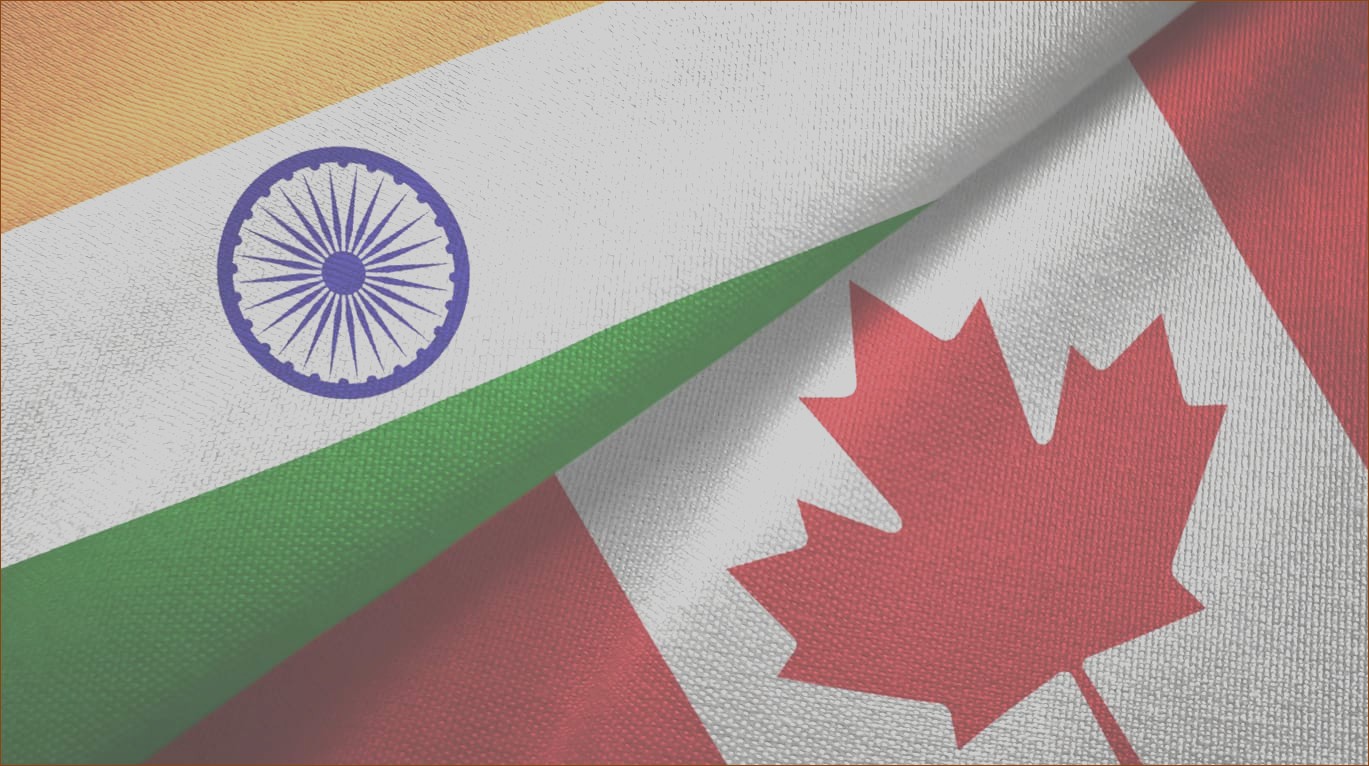
Canadian Education Boost in India: A New Era in Relations
Canada’s high commissioner to India, Christopher Cooter, recently shared exciting news about Canadian universities and colleges expanding their reach in India. This initiative is part of efforts to improve relations between the two countries after a period of diplomatic tension.
In an interview with CNN-News18, Cooter emphasized that Canadian educational institutions are dedicated to strengthening ties with India. He highlighted education and talent mobility as essential elements of this growing partnership.
“We already welcome many Indian students, and we would love to have even more. All our colleges and universities are now fully committed to India,” Cooter remarked. He shared that this commitment could include establishing branch campuses, offering joint degrees, and facilitating student and faculty exchanges, making it easier and more affordable for Indian students to access Canadian education.
Cooter noted, “The presence of Canadian educational institutions, regarded as among the best in the world, is now more directly accessible to India. This translates to better opportunities and lower costs for students.”
These remarks follow Canada’s strategic push toward enhancing transnational education and research collaboration in India. Earlier this year, a joint “talent and innovation strategy” was launched, involving over 20 Canadian institutions. This strategy focuses on hybrid campuses, AI research centers, scholarships, and academic mobility, stemming from a delegation visit by Canadian universities to India.
Interestingly, there has been a noticeable decline in the number of Indian students moving to Canada in recent years. Recent data revealed that Canada issued about 73,800 new study permits in 2025, marking a 64% drop compared to the previous year. Approval rates for Indian student applications also fell significantly, highlighting challenges such as stricter visa requirements, increasing living costs, and worries about post-study work opportunities—all compounded by previous diplomatic tensions.
Despite this decline, Cooter described Indian students as a vital component of economic relations between Canada and India. “It’s ironic that, despite the complementary nature of our economies, we don’t engage in much trade. Student mobility is the largest aspect of our economic ties. Over 400,000 Indian students are currently studying in Canada, surpassing numbers from the US, Europe, and the UK combined,” he noted.
Looking ahead, Cooter expressed optimism about moving beyond merely mending ties to establishing a robust long-term economic partnership. He mentioned the hope of finalizing a trade agreement this year, aiming to double trade between the two nations by 2030, although he expressed a desire to achieve that goal even sooner.
In essence, Canada’s commitment to enhancing educational opportunities and strengthening ties with India illustrates a proactive approach to building a more fruitful relationship between the two countries.
