
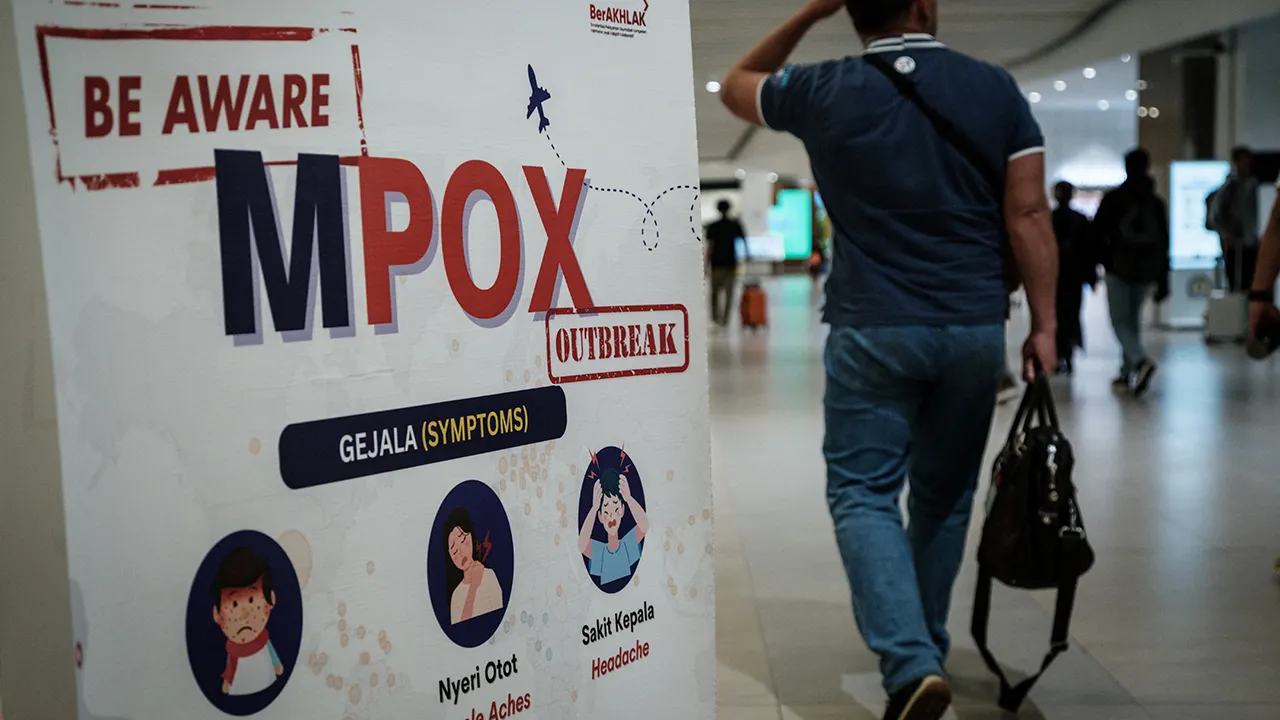
New Mpox Strain Confirmed in Connecticut
A more aggressive version of the monkeypox virus, known as clade I mpox, has been detected in Connecticut. This marks the first case of this strain in the United States, according to the Centers for Disease Control and Prevention (CDC). As health officials in the U.S. keep a close eye on this development, they are also monitoring recent hantavirus cases reported in Europe.
The Connecticut Department of Public Health shared on Wednesday that the individual diagnosed with clade I mpox recently traveled to Western Europe, where health authorities are vigilant about infectious diseases.
In separate health updates, the World Health Organization (WHO) has reported new cases of hantavirus in Spain and France. Although hantavirus infections are uncommon, the disease can lead to serious respiratory issues.
Fortunately, officials have noted that the detected mpox case “does not pose a risk to the general public.” However, they recommend that people who might be at risk consider getting the JYNNEOS vaccine.
Understanding Mpox
Symptoms of mpox include fever, swollen lymph nodes, and a distinctive rash. Dr. Manisha Juthani, Commissioner of the Connecticut Department of Public Health, emphasized the importance of vaccination: “Mpox hasn’t gone away, and we want people to be protected, especially as summer travel and gatherings approach. The vaccine is safe, effective, and widely available.”
Hantavirus Awareness
The recent hantavirus cases have highlighted the potential dangers of diseases carried by rodents. Though this virus is rare, it can cause severe health problems in humans, making awareness crucial.
Differences Between Mpox Strains
Mpox includes two main strains: clade I and clade II. Clade I has been associated with more severe illness and higher death rates, particularly among cases first identified in Central Africa. In contrast, clade II, which primarily prevails in West Africa, is generally linked to milder symptoms and contributed to the global outbreak that began in 2022.
The distinctions between these two strains are important, especially as international travel resumes. Health experts at the CDC and WHO stress that understanding these differences helps in assessing risks effectively.
