
Amazon Set to Revolutionize Quick Deliveries with New Half-Hour Service
NEW YORK — After more than two decades of changing the delivery game, Amazon is once again raising customer expectations. The retail giant is now offering a new service that promises to deliver essential items within 30 minutes or less for an additional fee.
Back in 2005, Amazon transformed online shopping with its two-day delivery promise for Prime members. Now, to meet the demands of customers who need items quickly—like medicine for cold symptoms or ingredients for dinner—the company is launching small order-processing hubs in various cities across the U.S. and beyond.
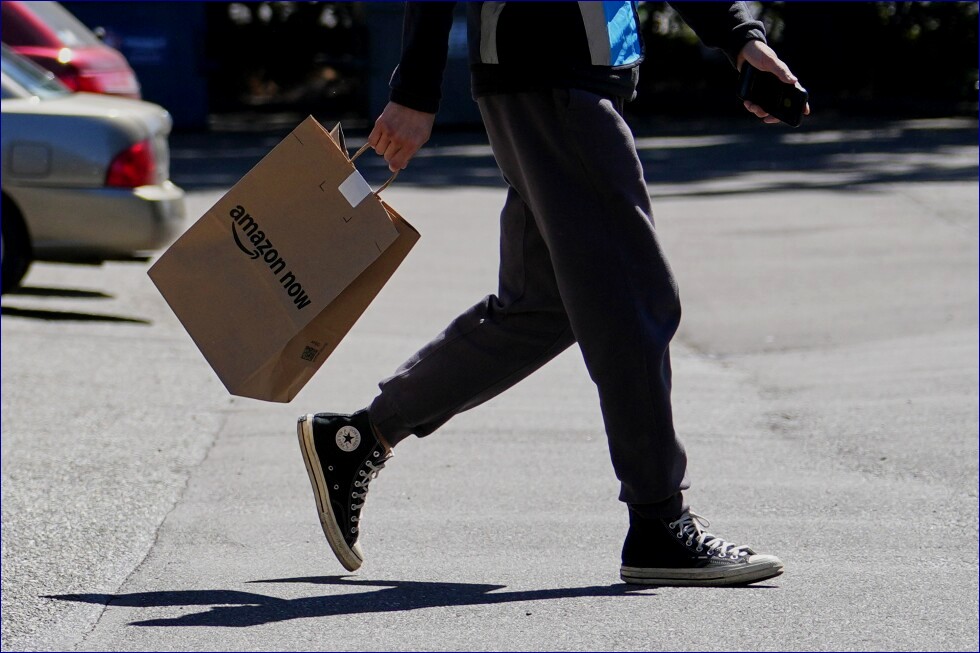
The rapid delivery service, known as Amazon Now, initially started in India last June. It’s now available in urban areas in countries like Brazil, Mexico, Japan, the UAE, the UK, and of course, the U.S.
These mini-warehouses, similar in size to a CVS, store about 3,500 different items ready for fast delivery. This includes everything from beer and diapers to pet food and cellphone chargers.
Beryl Tomay, Amazon’s head of transportation, shared with The Associated Press, “Customers have always loved speed. When we provide quicker deliveries, they tend to order more from us.”
In the U.S., Amazon first tested this service in Seattle and Philadelphia. Currently, many residents in Atlanta and the Dallas-Fort Worth area now have access, with plans to expand soon into cities like Houston, Denver, New York, and many more.
Pricing for Amazon Now starts at $3.99 for Prime members, who pay an annual fee of $139. Non-member fees start at $13.99, with an additional $1.99 fee for orders under $15.
However, the push for rapid deliveries comes as some consumers consider their environmental impact and the pressures on workers handling these quick orders.
Amazon’s Strategy
Amazon’s relentless focus on speed has turned it into a leader in logistics and e-commerce. After establishing two-day shipping as the new norm, it made one-day and same-day deliveries available for Prime members. This spring, Amazon rolled out the option for customers to receive specific items within one or three hours for an extra fee.
The new microhubs, designed for those speedy 30-minute deliveries, are a fresh step in Amazon’s strategy. Unlike their larger fulfillment centers, which house millions of items and employ a mix of humans and robots, these smaller facilities have only a handful of workers fulfilling the rapid orders.
By using advanced technology, Amazon tailors inventory to each location, analyzing purchase patterns to see what items are most frequently bought. So far, popular U.S. purchases include soap, toothpaste, bananas, and wireless earbuds.
Competition on the Horizon
This new Amazon offering creates direct competition with on-demand food delivery services like Instacart, Uber Eats, and DoorDash. According to retail analyst Bruce Winder, Amazon’s expertise in supply chain management gives it an edge.
While smaller delivery companies insist they don’t see Amazon as a significant threat, they highlight their ability to deliver a wider array of items thanks to partnerships with local merchants.
Walmart is also vying for the title of the go-to retailer for quick online orders. With their Express Delivery option, customers can guarantee orders in under an hour from a range of over 100,000 products, often even faster.
Lessons from the Past
While promises of 30-minute deliveries have been made before, many attempts have failed. During the pandemic, several companies pushed for ultra-quick grocery deliveries from neighborhood micro-warehouses, but high costs and low customer loyalty led to their downfall.
A notable example is Domino’s, which, in 1984, guaranteed pizza deliveries in under 30 minutes. The policy, initially a marketing success, was later dropped due to safety concerns with drivers hurrying to meet the deadline.
Experts warn Amazon to be cautious. Brad Jashinsky, a retail analyst, suggests it’s a lesson in over-promising. Amazon plans to avoid strict time guarantees and instead focus on keeping customers informed about their order status.
Looking Ahead
Analyst Sucharita Kodali believes that for the 30-minute service to be cost-effective, a high volume of orders will need to come from nearby locations. While some customers may prefer fast delivery for urgent items, others, particularly younger generations, are leaning towards options like no-rush shipping.
Amazon has been encouraging customers to select longer delivery times in exchange for fewer packages, which helps reduce waste.
So far, initial results for Amazon Now in India have been promising, with Prime members significantly increasing their use of the service. As this new venture unfolds in the U.S., it will be interesting to see how it develops in the coming months.
