
Britain’s Ambassador Sparks Controversy Over U.S. Ties with Israel
Leaked comments from Britain’s ambassador to the United States, Sir Christian Turner, have stirred political tensions in London. In a private discussion with British students earlier this year, he suggested that the U.S.’s primary “special relationship” is with Israel, rather than the United Kingdom. This information was first reported by the Financial Times.
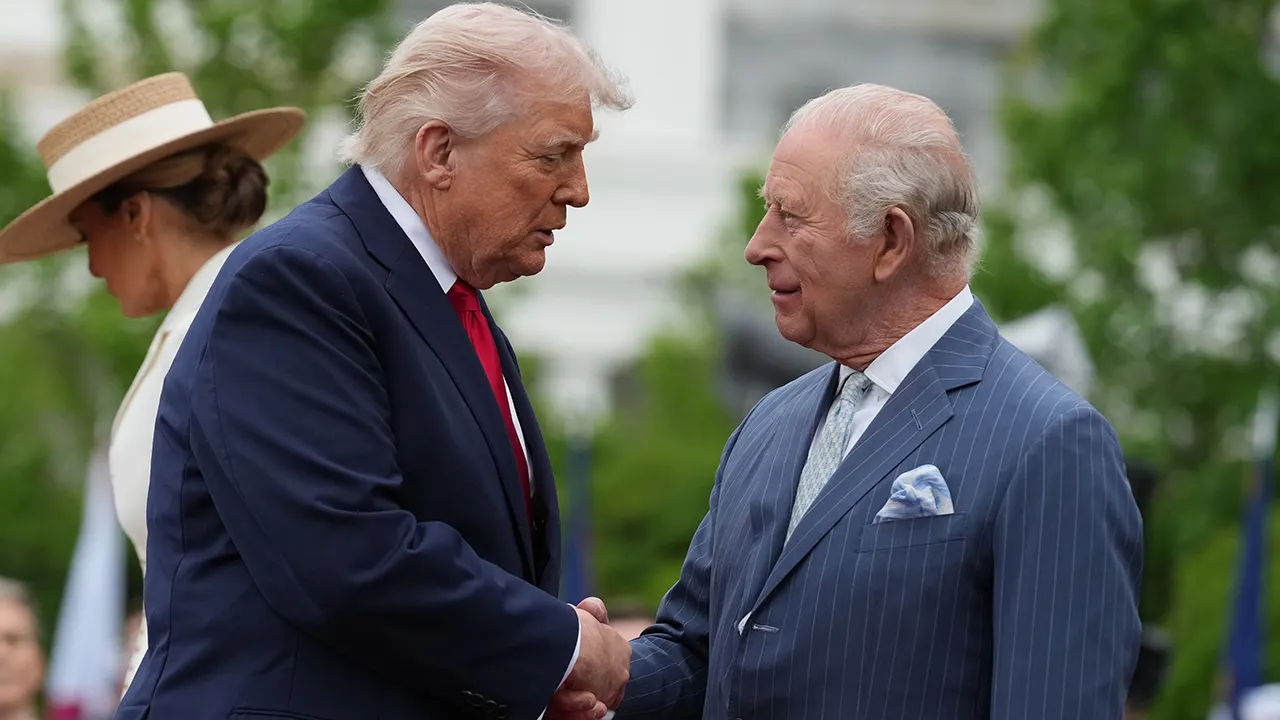
The comments were made public during King Charles III and Queen Camilla’s recent visit to the U.S., which aimed to strengthen the relationship between the two nations amid ongoing diplomatic challenges. Turner did emphasize, however, that the connections between the U.K. and the U.S. are still strong, especially in defense and security sectors.
He stated in the leaked audio, “There is a deep history and affection between us. Our defense and security ties are intertwined.” He touched on the need for both the U.K. and Europe to “redefine” their relationship with the U.S. in light of current global security needs.
This leak comes after a period of friction between British Prime Minister Keir Starmer and former President Donald Trump, particularly regarding military actions in Iran. Trump has publicly criticized Starmer, dismissing comparisons to Winston Churchill.
In response to the leaked comments, spokespeople from both the embassy and the U.K. Foreign Office clarified that Turner’s remarks were private and should not be seen as representing the official stance of the U.K. government. They insisted that the discussion was informal, centered around questions from students about current political issues.
Despite these clarifications, the incident raises important questions about the nature of the U.K.-U.S. relationship and whether it is shifting due to U.S. strategic priorities. Barak Seener, a senior fellow at the Henry Jackson Society, noted that Turner’s comments reflect a reality where Israel’s strong military capabilities are becoming more significant to American interests in the region, while Britain’s influence appears to be diminishing.
Seener highlighted that King Charles’ recent address to the U.S. Congress focused more on shared history and culture rather than current military contributions, reflecting concerns over the U.K.’s reduced military stature. He criticized the notion that past sacrifices matter today, especially in light of Britain’s reluctance to support U.S. actions against Iran.
The White House, on its part, reaffirmed the importance of the U.S.-U.K. relationship, with a spokesperson emphasizing President Trump’s enjoyment in hosting the royal couple and the unprecedented nature of their visit.
As discussions continue, the focus will remain on how these diplomatic dynamics evolve moving forward.
