
Economic Fallout from the Iran War: A Long-Lasting Impact
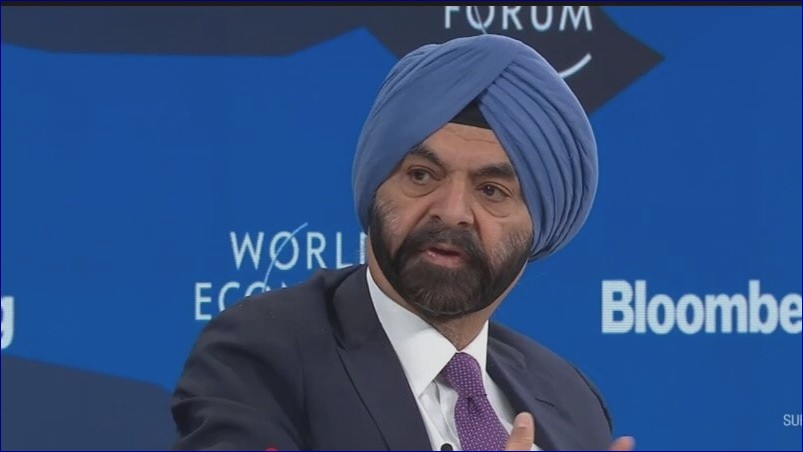
The economic effects of the ongoing conflict in Iran are starting to become apparent, with World Bank President Ajay Banga warning that the repercussions may last well beyond the end of fighting.
In his analysis of the situation, Banga noted that even if a ceasefire is reached, it might not prevent significant slowdowns in global economies. He estimates that global growth could dip by 0.3 to 0.4 percentage points, and if the ceasefire fails, the decline could deepen to about 1 percentage point. This slowdown would likely affect trade, energy markets, and financial systems worldwide.
Moreover, inflation is anticipated to rise alongside these economic challenges. Banga mentioned that global inflation might increase by 200 to 300 basis points in a ceasefire scenario and could go up by nearly 0.9 percentage points if the conflict continues. For developing countries, the situation could be even worse, with inflation potentially hitting 6.7% in extreme cases.
Developing Nations Facing Hardships
The World Bank is already engaging with vulnerable countries, especially those reliant on energy imports, to set up emergency funding during this crisis. However, Banga has cautioned that governments should avoid falling into the trap of unsustainable energy subsidies, which could lead to financial instability later on.
He emphasized the importance of diversifying energy sources to minimize economic risks. For instance, he pointed to Nigeria, where a $20 billion investment in refineries has not only bolstered its energy security but also allowed the country to export products like jet fuel to nearby nations.
Banga stressed that the long-term answer lies in expanding alternative energy sources, such as nuclear, hydro, geothermal, along with wind and solar power. If countries continue to rely heavily on fossil fuels, they may face ongoing economic and environmental challenges.
