
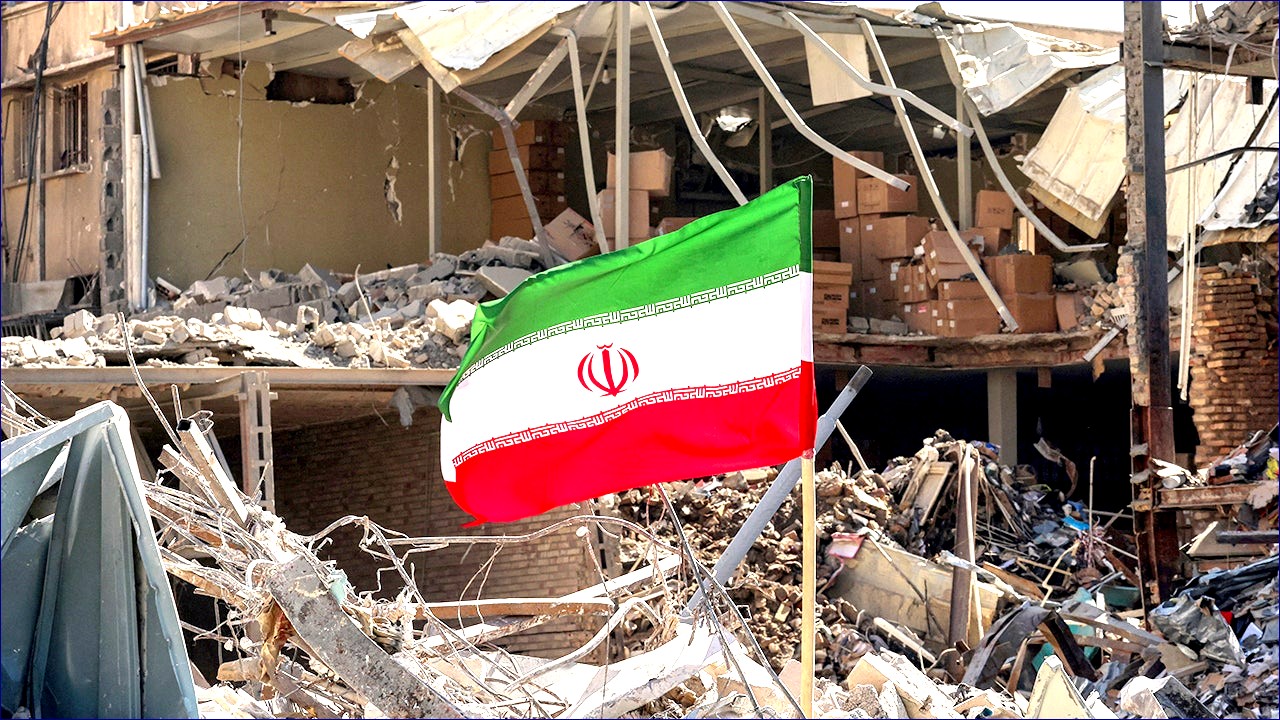
The Iranian government executed two men over the weekend who were found guilty of attempting to invade a military site and seize weapons earlier this year, as reported by Mizan, Iran’s judicial news agency.
The individuals, identified as Mohammad Amin Biglari, a 19-year-old computer science student, and 30-year-old Shahin Vahedparast Kolor, were hanged on April 5. They were arrested on January 8 during a crackdown on protests in Tehran, amid rising tensions in the country. Human rights groups, such as the Hengaw Organization, highlighted that they faced serious charges, including “enmity against God,” arson of public buildings, and collusion to undermine national security.
Another young man, 18-year-old Amirhossein Hatami, was executed on April 2, while a 23-year-old named Ali Fahim was confirmed executed on April 6.
Mahmood Amiry-Moghaddam, the director of Iran Human Rights, stated that these executions reflect the Iranian regime’s desperate measures to maintain control, particularly amid ongoing conflicts with external entities like the U.S. and Israel. He urged the international community to act swiftly and address the systematic repression happening within Iran, including the frequent use of the death penalty as a tool for political control.
In a related development, former President Donald Trump warned of potential military action against Iranian infrastructure, insisting that Iran must reopen the vital Strait of Hormuz. In a robust statement on Truth Social, he referred to an upcoming “Power Plant Day” and threatened consequences if Iran did not comply.
The geopolitical landscape remains tense as negotiations and conflicts continue to unfold in the region, highlighting the increased urgency of addressing human rights issues in Iran.
