
Title: Escalating Tensions in the Middle East: Israel’s War Against Iran Enters Critical Phase
BAGHDAD: Israel has declared that its conflict against Iran is moving into a “decisive phase” as explosions continue to rock cities throughout the Middle East. A series of attacks targeted the U.S. embassy in Baghdad and a significant oil facility in the United Arab Emirates.
Witnesses reported seeing thick black smoke rising from the U.S. embassy, marking the second assault since February 28. The current situation escalated after the U.S. and Israel’s military actions against Iran, triggering a conflict affecting millions and impacting the global economy.
Over 1,200 individuals have reportedly lost their lives in Iran due to ongoing strikes, which have come in the form of drone and aerial bombings. As the fighting extends into its third week, there appears to be no indication of a slowdown.
In the UAE, smoke was observed billowing from Fujairah, a key site for oil storage and export, shortly after Iranian military officials urged civilian populations to stay away from port areas. Israeli Defense Minister Israel Katz emphasized that the conflict would persist for as long as needed, branding this period as crucial.
Despite facing more advanced military capabilities from the U.S. and Israel, Iran is showing resilience. The nation has retaliated with missile and drone strikes and has disrupted shipping traffic through the vital Strait of Hormuz.
Israeli forces advised residents to evacuate areas in Tabriz, signaling a potential attack. Following missile strikes that killed members of the Iranian-backed group Kataeb Hezbollah, President Trump confirmed recent U.S. military action against Iran’s Kharg Island, its most significant oil export site, although Iranian media reported that these facilities remained unscathed.
Concerns over shipping in the Strait of Hormuz have significantly reduced traffic, a crucial route for about 20% of the world’s oil supplies. Trump announced plans for the U.S. Navy to escort tankers in the region shortly. However, rising crude oil prices, which have surged by over 40% since the conflict began, are raising alarms for global economies.
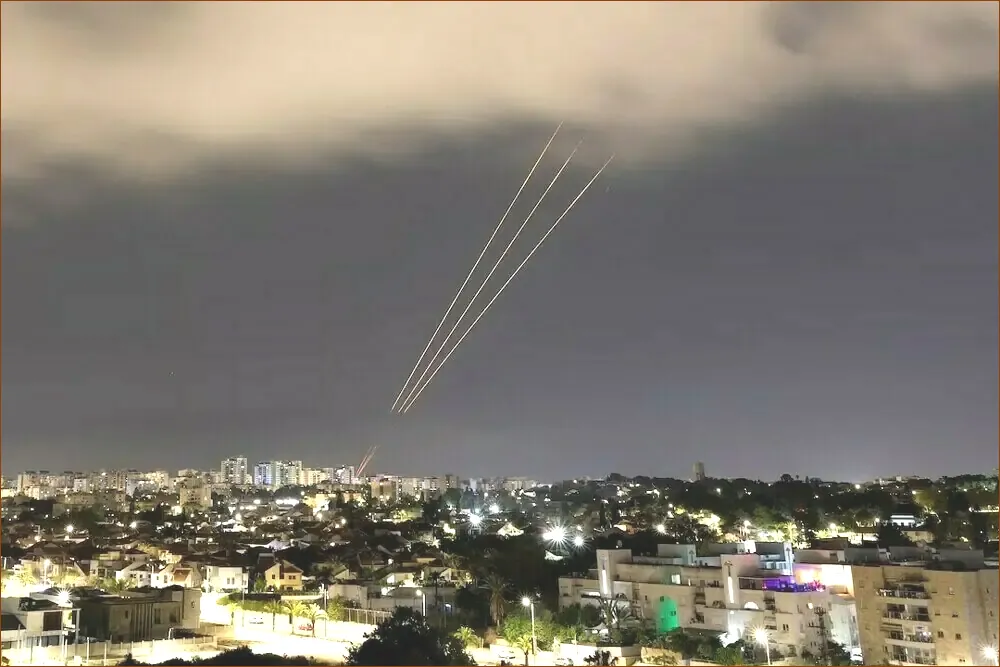
Additionally, Hamas has urged Iran to refrain from attacking neighboring countries. In Qatar, two missiles were intercepted over the capital, leading to evacuations after explosions were reported. Saudi Arabia confirmed its forces intercepted numerous drones in recent days.
After heavy bombardments in Iran, including late-night explosions in Tehran, health officials disclosed that the fighting has resulted in over 1,200 deaths, but independent verification remains challenging. The UN has estimated that nearly 3.2 million people have been displaced inside Iran due to the conflict.
Trump described Iran as “totally defeated,” while the Pentagon revealed that over 15,000 Iranian targets have been hit since the start of the conflict, with total costs reaching approximately $11.3 billion. The Israeli military reported conducting around 7,600 strikes primarily targeting Iran’s missile capabilities.
Discussions about a possible ground invasion have emerged, with reports indicating that the USS Tripoli, an amphibious assault ship with approximately 2,500 Marines, has been deployed to the region.
Despite the considerable challenges they face, Iran’s leadership appears determined to maintain control, even after the death of Supreme Leader Ali Khamenei at the beginning of the conflict. His son, Mojtaba Khamenei, has been named as the new leader, although he has not made public appearances and is reportedly injured.
In addition to the Gulf tensions, NATO forces in Turkey reported intercepting a ballistic missile fired from Iran, marking the third interception so far. Lebanon has also become embroiled in the conflict, with Hezbollah launching attacks on Israel following Khamenei’s death. Israeli retaliatory strikes have resulted in significant casualties, causing extensive displacement among the local population. An attack in southern Lebanon reportedly killed medical personnel at a healthcare facility.
As the situation continues to develop, the implications for regional stability and global oil markets remain deeply concerning.
