
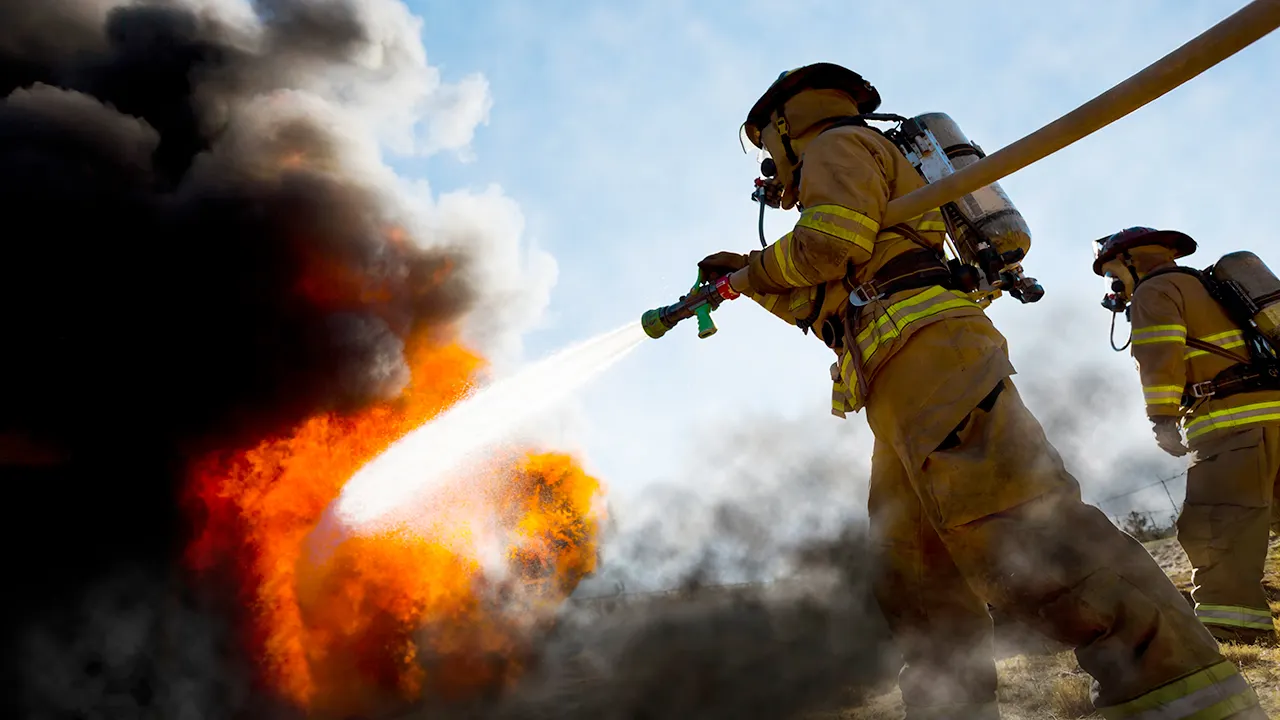
Firefighters’ Health at Risk: Prioritizing Longevity Amidst Duty
Firefighters face incredible dangers every day, putting their lives on the line to keep communities safe. Unfortunately, this demanding profession can reduce their life expectancy by about ten years. Experts highlight that adopting healthier lifestyle habits can play a significant role in increasing their longevity.
Mike Morlan, a firefighter with nearly 30 years of experience and district vice president at CAL FIRE 2881, shared insights on the importance of health for those in the field. “For me, it’s personal,” Morlan said, reflecting on the losses of both his parents to cancer. He recognizes that many in the firefighting community suffer from heart disease and cancer, often not dying immediately on the job but facing these high risks later in life.
Morlan remarked, “We don’t mostly die in fires; we struggle with the long-term effects the job has on us.” The consistent exposure to smoke, toxins, and extreme heat disrupts sleep and can lead to serious health issues, he noted. “I’ve attended memorials for those who didn’t reach retirement,” he said, emphasizing the emotional weight of that reality.
Dr. Eve Henry, the chief medical officer at Hundred Health in California, considers the ten-year life difference for firefighters compared to the general population a significant concern for the medical community. “It’s not just a small difference; it’s a decade,” she emphasized.
The combined impact of toxic chemical exposure, intense physical stress, and inadequate sleep contributes to a faster onset of chronic diseases among firefighters. Morlan stressed the importance of recognizing these risks to help improve longevity. He believes that maintaining one’s body is as crucial as checking firefighting equipment.
To enhance their health, first responders like Morlan suggest regular medical check-ups, including biomarker testing and using wearable technology to monitor health. “Making steady, informed choices over time is key,” he said. Small changes in diet, exercise, and recovery can lead to better health outcomes.
Henry encourages firefighters to view recovery and sleep as crucial as their training. “Rest is vital,” she stated, acknowledging the difficulty of maintaining good sleep patterns due to the demands of their work schedules. “But when off-duty, creating a good sleep environment can help your body heal.”
Both Morlan and Henry stress taking a proactive approach to health. “Don’t wait for a problem to arise before seeking solutions,” Henry advised. Understanding personal health markers can help firefighters detect potential issues early.
The challenges of balancing a demanding job with health are significant, but, as Morlan explains, consistent care for one’s health can lead to a longer, fulfilling career. Programs like those offered by CAL FIRE Local 2881 and Hundred Health aim to provide personalized health assessments and plans for firefighters, focusing on both mental and physical well-being.
In a role where jumping from calm to high exertion is common, it’s crucial to recognize the toll this profession takes. The new health initiatives aim to provide insights into the long-term effects of firefighting, hoping to improve the health outcomes for firefighters in the years to come.
