
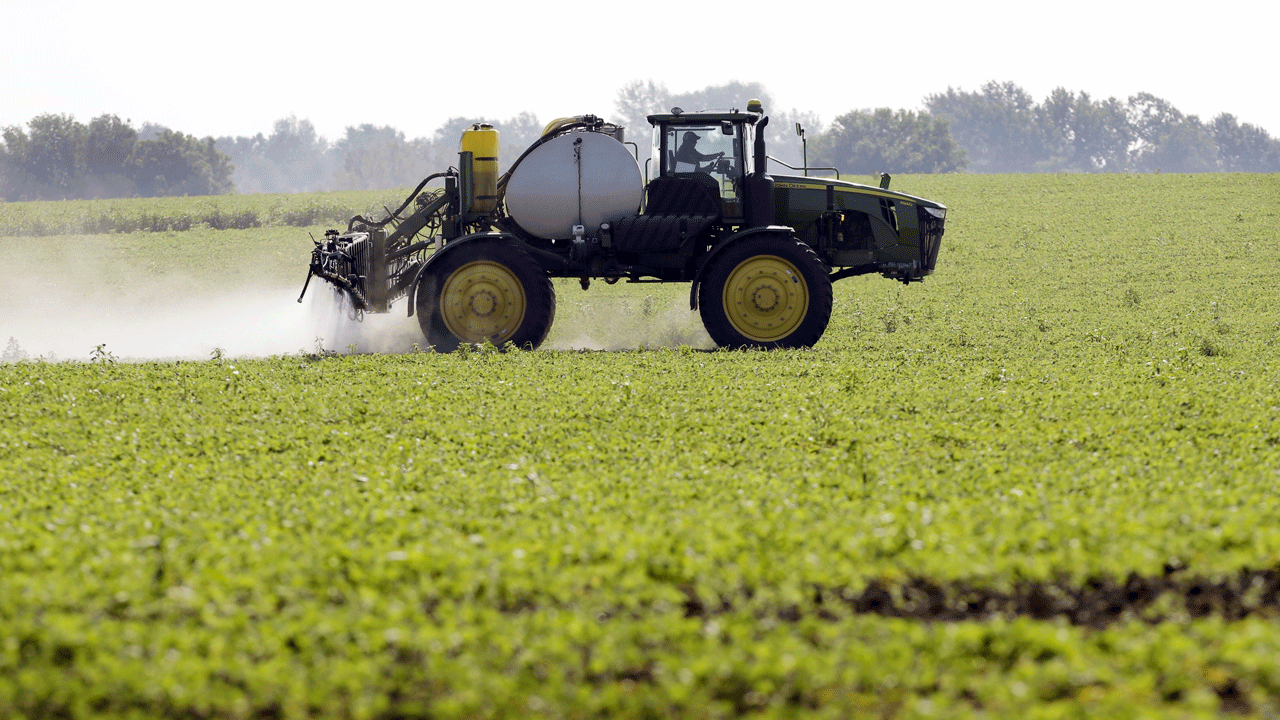
New Concerns Over Glyphosate in Agriculture
The ongoing conversation about glyphosate, a herbicide widely used in farming, has stirred significant debate within the Make America Healthy Again movement. This follows an executive order from former President Donald Trump aimed at ensuring an adequate supply of glyphosate for national defense.
Historically, proponents of a pesticide-free environment have raised alarms about glyphosate, worried about its possible health impacts. Dr. Marc Siegel, a senior medical analyst, notes that there’s growing evidence linking glyphosate to serious health issues, including neurodegenerative diseases like ALS and Parkinson’s. He suggests that limiting exposure could be crucial for health.
Siegel highlights a possible connection between extended glyphosate use and conditions like liver disease, metabolic disorders, and certain cancers, especially non-Hodgkin lymphoma. Research indicates that glyphosate is used in products like Roundup, which could heighten cancer risk. A study from the University of Washington found a 41% increased risk of non-Hodgkin lymphoma related to glyphosate exposure.
Recent data also suggests troubling trends. In counties with high pesticide usage, over 60% reported cancer rates above the national average of 460 cases per 100,000 people. For instance, Iowa, which used 53 million pounds of pesticides last year, has the second-highest cancer rate in the nation. One local resident, Bill Billings, attributed his cancer diagnosis to chemical exposure, saying his specialist was very straightforward about the cause.
Kelly Ryerson, an advocate for safe farming practices, reflects on her own health issues, which improved when she stopped consuming gluten. She argues that the use of glyphosate in farming, especially just before harvest, might contribute to the health problems linked to modern food supplies.
In 2015, the International Agency for Research on Cancer classified glyphosate as “probably carcinogenic to humans,” based on evidence of cancer risk in both humans and animals. Despite these concerns, a Monsanto spokesperson affirmed compliance with Trump’s order, emphasizing the herbicide’s importance for U.S. farmers.
While HHS Secretary Robert F. Kennedy Jr. has been critical of glyphosate, he acknowledges the necessity of the executive order while expressing concern about the toxicity of such chemicals. He warned that widespread use puts American health at risk, citing the billions paid by chemical companies in settlements related to cancer claims.
The discussion around glyphosate continues to evolve, reflecting a complex balance between agricultural practices and public health.
