
A Significant Shift in Bangladesh’s Politics
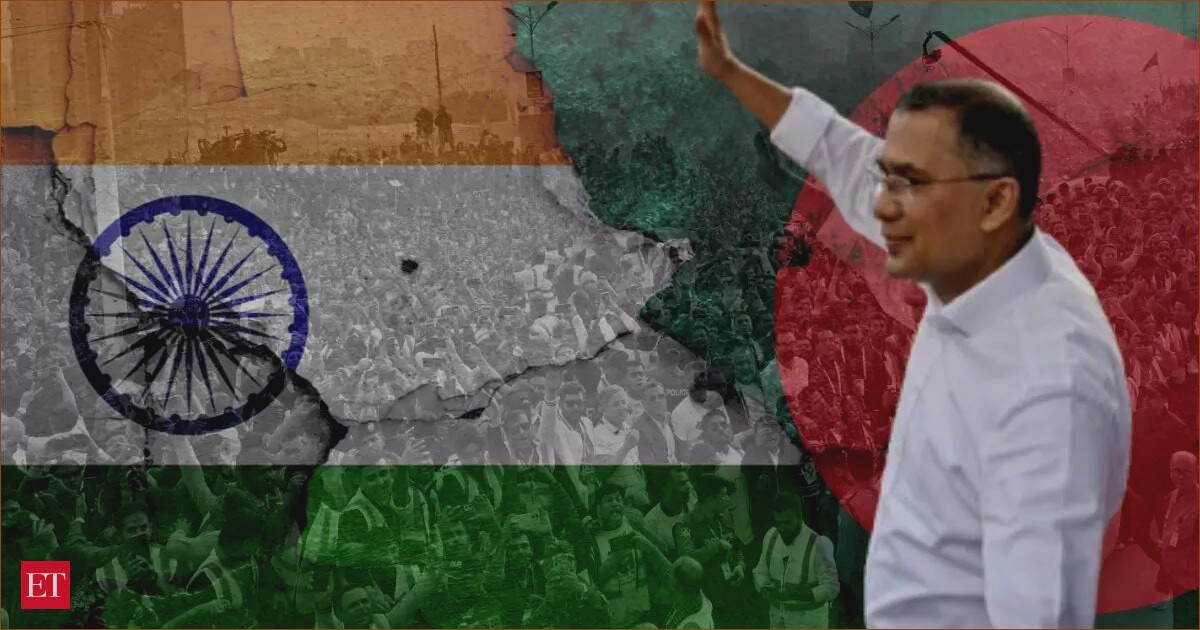
The Bangladesh Nationalist Party (BNP) has taken a leading role in the recent general elections and is expected to form the next government, although official results are still pending. This development raises both uncertainty and opportunities for India, particularly with Tarique Rahman, the BNP leader, potentially stepping into the role of prime minister. The recent electoral changes, which included the defeat of Jamaat-e-Islami and the exclusion of the Awami League, have transformed the political scene in Bangladesh and could influence regional dynamics.
The New Landscape in Dhaka
The BNP’s victory is historic as it marks a departure from the Awami League, which has been a mainstay in Bangladeshi politics. Rahman, who is the son of former Prime Minister Khaleda Zia and has returned after 17 years in exile, is now seen as a hopeful change by voters. They view this election as a pivotal moment for the country.
The fall of the Awami League, led by Sheikh Hasina, has been dramatic. Once a close ally of India, Hasina is now embroiled in controversy and has faced severe legal challenges, including a death sentence in absentia for alleged crimes against humanity related to protests occurring in 2024. Her ongoing presence in India has stirred public sentiment back home, especially among protesters.
India’s relationship with Bangladesh has heavily relied on Hasina’s administration, which favored cooperation on trade and security. With the emergence of the BNP, India is now adapting its approach and seeking to build a rapport with the new leadership.
India’s Concerns and Interests
India has significant interests in Bangladesh, especially regarding the stability of its northeastern states and West Bengal. The northeastern states are particularly susceptible to unrest, and a radical government in Dhaka could pose challenges. Historical ties show that past BNP governments played host to insurgents from India’s Northeast, raising alarms in New Delhi.
There are also concerns about potential reinforcements of Indian insurgents in Bangladesh, which could destabilize the region. However, since Hasina’s departure, Rahman has avoided anti-India rhetoric, and active calls for annexation of Indian territories have diminished with the removal of Jamaat-e-Islami from the government.
Encouraging Diplomatic Signals
In recent months, there have been indications of a warming relationship between India and the BNP. Following Khaleda Zia’s passing, Rahman had a friendly meeting with India’s External Affairs Minister, signifying a willingness to engage. Prime Minister Modi congratulated Rahman on his electoral success and expressed that India remains committed to a democratic and progressive Bangladesh.
The BNP has responded positively, emphasizing the importance of India’s acknowledgment of the election results and expressing hope for stronger ties. These exchanges suggest mutual interest in building a cooperative relationship.
The Test Ahead
One key challenge for the new government will be its stance on allowing India transit access to its northeastern states through Bangladesh. Previous BNP governments had resisted such proposals, citing nationalist sentiments, while the Awami League had been more accommodating in recognition of security and economic interests.
Rahman has indicated a shift towards an “economy-based foreign policy”. He is focusing on mutual benefits and making national interests a priority. This pragmatic approach may ease concerns for India, particularly as economic ties are vital for Bangladesh.
Balancing Regional Powers
Rahman faces a challenging balancing act in navigating relationships with both China and Pakistan, which have been strengthening ties with Bangladesh. Such developments are likely to create tensions with India, which historically had a close relationship with Hasina.
As Bangladesh becomes a focal point for both China and India, Rahman’s emphasis on prioritizing Bangladeshi interests suggests that he is aware of the need for cautious diplomacy.
Conclusion
The BNP’s win heralds a new chapter in India-Bangladesh relations, with potential for constructive engagement if Rahman’s government can maintain stability at home and cooperate with India on security and economic fronts. Observers will be looking closely to see how this political transition unfolds and whether it fosters a stronger partnership between the two nations.
