
Title: Unrest in Iran: Protests Intensify Amid Calls for Action
Date: January 14, 2026
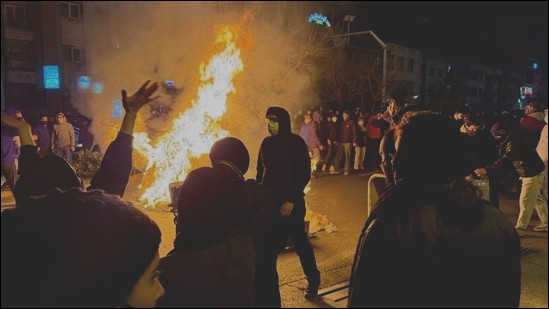
Anti-government protests in Iran have been escalating since late December, driven by widespread dissatisfaction over the country’s struggling economy and the ruling theocracy. In light of these developments, the Indian embassy in Iran has advised its citizens to leave the country using available transportation methods, urging them to stay away from protest areas and remain in touch with the embassy for updates.
On Wednesday, Iran’s Foreign Minister Seyed Abbas Araghchi had a phone conversation with India’s External Affairs Minister S. Jaishankar regarding the situation in Iran. Meanwhile, there are reports of a protestor, 26-year-old Erfan Soltani, facing execution—marking the first known hanging linked to the ongoing demonstrations.
Soltani was arrested during protests in west Tehran’s Fardias on January 8. The details surrounding the charges against him remain unclear. Amnesty International and other human rights organizations have expressed concern over Iran’s handling of dissent, noting that the death toll has reportedly exceeded 2,500, with over 10,000 arrests amidst the government crackdown.
Internationally, tensions have risen as U.S. President Donald Trump has voiced his support for Iranian protestors, telling them to “keep protesting” and implying that assistance is on its way. His remarks have drawn criticism from Iranian officials, who accuse him of trying to destabilize the country.
Key Developments:
-
Pressure from the U.S.: President Trump has urged protestors in Iran to take over governmental institutions, warning that the U.S. will respond strongly if protestors are executed. He called for compassion from Iranian authorities.
-
Iran’s Response: Iran accused the U.S. of seeking a pretext for military intervention and alleged that Trump’s comments incite violence. Officials have labeled both Trump and Israeli Prime Minister Netanyahu as “main killers” of the Iranian people, deflecting blame for the unrest onto foreign powers.
-
Easing of Restrictions: The Iranian government has relaxed some previous restrictions, allowing people to make phone calls abroad, while the SMS service remains down. This comes as satellite internet provider Starlink has offered free services in Iran, helping people communicate amid the ongoing internet blackout.
-
Continued Crackdown: As protests continue, Iran’s judiciary has hinted at fast-tracked trials and executions. There is apprehension within the country, with rumors of imminent hangings and harsh crackdowns on dissent.
-
Regional Tensions: Neighboring nations, including Saudi Arabia and Turkey, have been alerted to potential attacks on U.S. military bases in their territories should tensions escalate further.
The situation in Iran remains volatile and unpredictable, with citizens facing severe consequences for dissent as international observers continue to monitor developments closely.
