
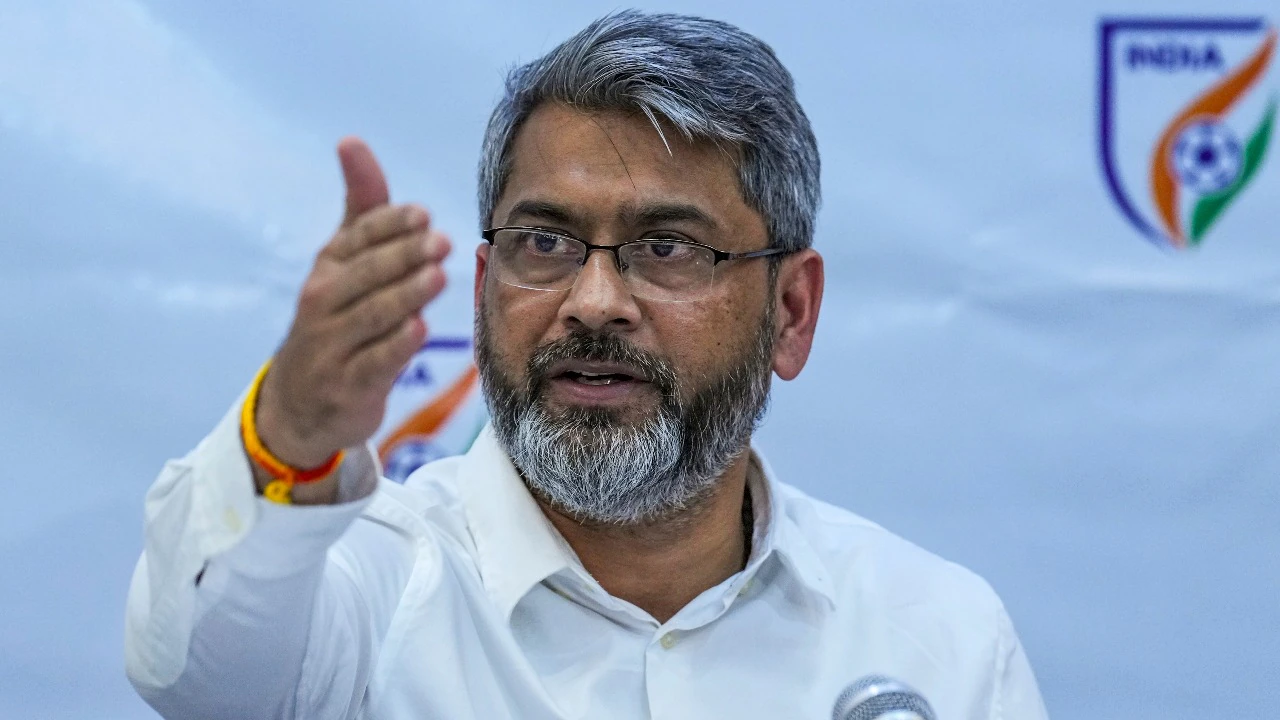
The All India Football Federation (AIFF) has unveiled a bold long-term plan aimed at transforming Indian football over the next 21 years. This strategy draws inspiration from some of Europe’s most successful football leagues. In light of ongoing administrative challenges and a lack of clarity in domestic leagues, the AIFF seeks to provide a stable direction for the sport in India.
Kalyan Chaubey, the AIFF president, acknowledged the criticism the federation has faced amidst the ongoing turmoil in Indian football. He emphasized that the federation’s new plan is not just a response to the chaos but a proactive step forward. “We have looked at the best practices from top leagues around the world, such as LaLiga, the Premier League, and the Bundesliga, and we want to adapt these ideas to suit our leagues,” Chaubey explained.
The core of this new blueprint includes a redesigned governance model specifically for the Indian Super League and the I-League. This model features two main governing bodies:
- Governing Council: This will serve as the top authority, supervising finances, long-term planning, and major decisions.
- Management Committee: Responsible for daily operations during the league seasons to ensure everything runs smoothly.
The governing council will consist of representatives from football clubs, AIFF officials, commercial partners, and independent members. They are expected to meet at least once a year, ideally before the start of the season. The management committee, led by the AIFF secretary-general, will convene more often to address everyday tasks.
Additionally, the AIFF plans to form more committees that will help manage various aspects of league operations, including regulations and competition rules. These committees will align with the regulations set by both the Asian Football Confederation and FIFA.
With a system that has often been criticized for its lack of transparency, the AIFF believes this new Europe-inspired structure will help bring organization and clarity to Indian football. While many are hopeful about these changes, there are still questions about how quickly they can be implemented in practice.
