
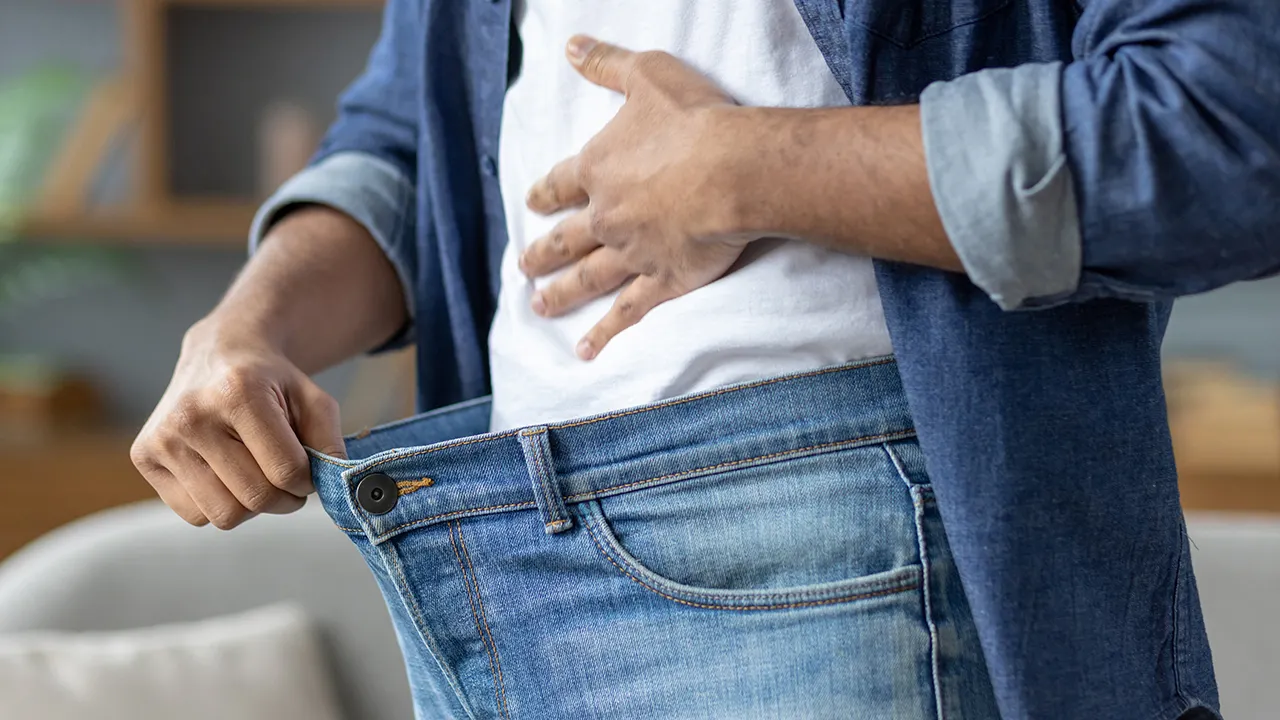
As we enter 2026, exciting changes are happening in the world of weight loss, driven by new research on GLP-1 medications and other techniques. Experts in the field share their insights on what to expect.
### 1. A Broader Approach to Treatment
Dr. Peter Balazs, a specialist in hormones and weight loss from New York and New Jersey, emphasizes that GLP-1 drugs are shifting from merely being seen as weight loss solutions to being recognized as comprehensive metabolic treatments. “The goal is no longer just to lower BMI but to reduce overall health risks,” he explains. These treatments are showing potential benefits for the liver, heart, and kidneys, significantly decreasing serious health issues.
### 2. Easier Dosage Options
Traditionally, GLP-1 medications come in weekly injections, but this may soon change. A daily pill version of Novo Nordisk’s Wegovy has been approved, providing a non-injectable option. Additionally, there’s talk of a weekly oral form and even a new implant that could deliver medication for several months.
### 3. Less Invasive Surgery Options
Doctors predict an increase in minimally invasive surgical treatments, which aim to provide metabolic benefits with lower risks and quicker recovery times. Non-surgical procedures, such as the endoscopic sleeve gastroplasty, may become more common, offering alternatives to traditional bariatric surgery.
### 4. Younger Patients
With Wegovy now approved for adolescents over 12, more weight-loss medications are expected to become available for younger users in the near future. This change signifies a shift toward addressing obesity earlier in life.
### 5. Technology-Driven Personalized Treatments
The influence of artificial intelligence is set to grow, allowing for more personalized approaches to obesity treatment. Doctors believe future strategies may categorize obesity into different types, tailoring therapy to individual needs rather than relying on a one-size-fits-all solution.
As awareness about obesity and its complexities increases, patients may look for more comprehensive treatment plans. Dr. Muhammad Ghanem, a bariatric surgeon, mentions that surgery remains one of the most effective options, but technological advancements will facilitate various other methods, such as digital therapies.
The coming years promise to bring profound changes to weight loss strategies, emphasizing a multi-faceted approach to health and well-being.
