Close Menu
  • Home
  • World News
  • India News
  • Business News
  • Health
  • Sports
  • Indian Diaspora In US
  • Technology
  • Bollywood
  • Education
Facebook X (Twitter) Instagram
Tuesday, May 5, 2026
Breaking News
  • Breakthrough Bowel Cancer Trial Sees No Recurrences Following Pembrolizumab Treatment
  • IPL 2026: Rohit Sharma Thrills Fans with Spectacular Comeback Against LSG in MI Showdown
  • HIMSS Membership: A Catalyst for Enhancing Native Healthcare Issues
  • Sweltering Temperatures Propel India’s Power Generation to Record Levels
  • Tech Trends 2026 – Edition 19 – Diff
  • Taapsee Pannu Becomes the Face of Enamor’s Latest Campaign: Bollywood Buzz
  • US Champions UN Resolution to Hold Iran Responsible for Actions in the Strait of Hormuz
  • Modi Marks Historic Victory in Opposition-Dominated West Bengal
Facebook X (Twitter) Instagram
India Bulletin
Advertisement
  • Home
  • World News
  • India News
  • Business News
  • Health
  • Sports
  • Indian Diaspora In US
  • Technology
  • Bollywood
  • Education
India Bulletin
Home»World News»Maduro’s Arrest Deepens Divisions in Latin America at UN Security Council Gathering
World News

Maduro’s Arrest Deepens Divisions in Latin America at UN Security Council Gathering

January 6, 20263 Mins Read
Facebook Twitter Email
Share
Facebook Twitter Email


Political Realignments in Latin America: Tensions Grow Over Maduro

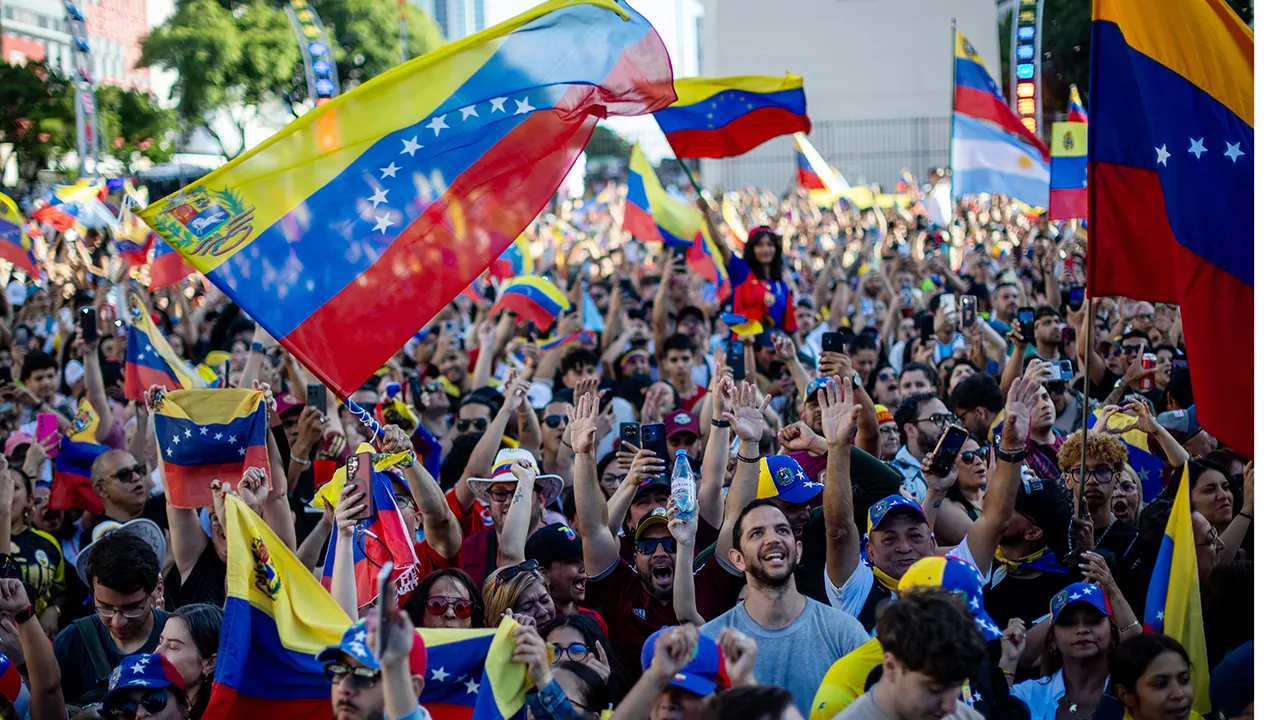
Over the weekend, a significant political shift in Latin America was highlighted at a summit of the Community of Latin American and Caribbean States (CELAC). This tension grew further during a session at the United Nations Security Council, where countries showed a clear divide regarding the U.S. involvement in the arrest of Venezuelan leader Nicolás Maduro.

During the CELAC summit, some leftist nations tried to release a statement condemning Maduro’s detention. However, this attempt was blocked by a coalition of countries that included Argentina, Bolivia, Paraguay, Peru, Ecuador, El Salvador, Panama, the Dominican Republic, and Trinidad and Tobago. This situation revealed deepening rifts within a group that has traditionally supported left-wing leaders, signaling diminishing solidarity with Caracas.

Melissa Ford Maldonado, from the America First Policy Institute, emphasized that these divisions reflect a broader struggle within the region related to the impacts of socialist and authoritarian governance. “There is a regional awakening happening,” she noted. “The failures of socialism and authoritarian rule can’t be ignored any longer.”

This political shift is increasingly apparent in recent elections. In countries like Chile and Honduras, voters are moving away from long-standing leftist administrations toward leaders who focus on security, sovereignty, and law enforcement—similar themes to those seen in U.S. politics.

Maldonado noted, “The events at CELAC show how divided the authoritarian left has become. Venezuela serves as a cautionary tale.” This division was evident during the U.N. Security Council meeting, where Latin American nations took opposing stances: some endorsed U.S. actions, while others criticized them as breaching international law.

Argentina emerged as a vocal supporter of the U.S., praising President Donald Trump and framing Maduro’s capture as a major win against organized crime. An Argentine representative stated that Maduro’s regime posed a direct threat not just to Venezuela, but to the entire region.

In contrast, other CELAC members rejected the U.S. actions. Brazil firmly condemned what it described as an armed intervention in Venezuela, calling it a serious violation of sovereignty. Mexico labeled the operation as a breach of the U.N. Charter, indicating that such foreign interference often worsens conflicts.

With this split at both CELAC and the U.N., it is clear that countries are increasingly reluctant to speak with one voice regarding Venezuela, and many are reluctant to support U.S. military actions.

Maldonado believes this regional reaction, despite its divisions, signifies a broader ideological shift. “More governments are beginning to prioritize their citizens over defending corrupt autocracies,” she said.

The dynamics at play in Latin America illustrate a significant moment in the region’s political landscape, as nations grapple with the implications of governance and the future direction of their policies.

Donald Trump Latin America National security security council United Nations venezuelan political crisis
Share. Facebook Twitter Email
admin
  • Website

Related Posts

US Champions UN Resolution to Hold Iran Responsible for Actions in the Strait of Hormuz

May 4, 2026

State Department Strikes Back After Ex-Obama Iran Deal Negotiator Critiques Trump’s Strategy

May 4, 2026

Red Sea Threat: Somali Pirates and Houthis Forge Unlikely Alliance, Analyst Warns

May 4, 2026
  • Facebook
  • Twitter
  • Instagram
Don't Miss

Breakthrough Bowel Cancer Trial Sees No Recurrences Following Pembrolizumab Treatment

IPL 2026: Rohit Sharma Thrills Fans with Spectacular Comeback Against LSG in MI Showdown

HIMSS Membership: A Catalyst for Enhancing Native Healthcare Issues

Sweltering Temperatures Propel India’s Power Generation to Record Levels

Started in 2004, India Bulletin is the largest and
most read South Asian publication
in Chicago and surrounding Midwest.

  • Home
  • About Us
  • Contact
  • Advertise With Us
  • Privacy Policy
  • Terms of Use
  • Disclaimer
  • CCPA
News
  • Bollywood
  • Business News
  • Health
  • India News
  • Indian Diaspora In US
  • Sports
  • Technology
  • World News
Facebook X (Twitter) Instagram

Type above and press Enter to search. Press Esc to cancel.

Accessibility Adjustments

Powered by OneTap

How long do you want to hide the toolbar?
Hide Toolbar Duration
Select your accessibility profile
Vision Impaired Mode
Enhances website's visuals
Seizure Safe Profile
Clear flashes & reduces color
ADHD Friendly Mode
Focused browsing, distraction-free
Blindness Mode
Reduces distractions, improves focus
Epilepsy Safe Mode
Dims colors and stops blinking
Content Modules
Font Size

Default

Line Height

Default

Color Modules
Orientation Modules