
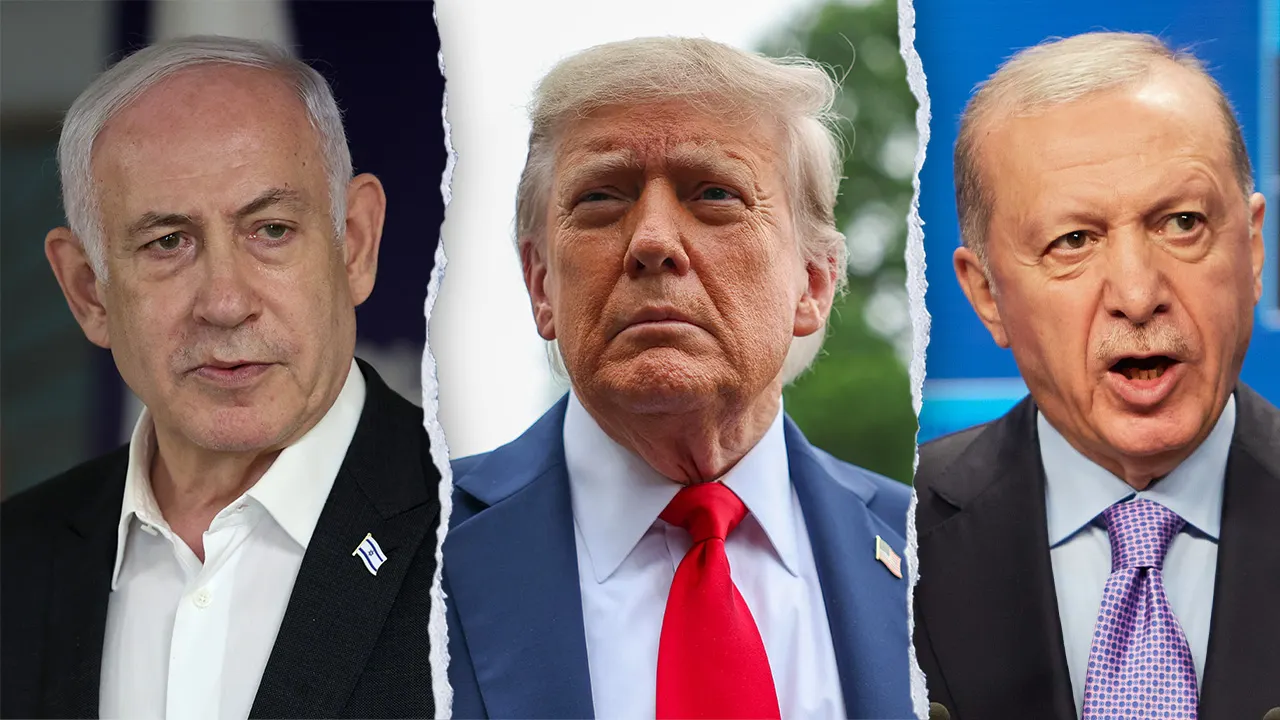
Tensions Rise Between Israel and Turkey Over Gaza Reconstruction
Tensions between Israel and Turkey are escalating, primarily due to differing views on how to rebuild Gaza and growing strategic disagreements in Syria. Both nations, however, continue to engage within a U.S.-led diplomatic framework following a ceasefire with Hamas.
Israel has firmly stated that it will not permit Turkish armed forces to operate in Gaza. The Israeli government sees Turkey as a potential source of instability, even as Turkey presents itself as a partner for reconstruction. According to Turkish sources, Ankara does not wish to deploy troops in Gaza, focusing instead on offering humanitarian aid and creating infrastructure.
Dan Diker, president of the Jerusalem Center for Security and Foreign Affairs, expressed that Israel perceives Turkey as a strategic threat rather than a neutral party. He emphasized, “From Israel’s view, Turkey is like an arsonist pretending to be a firefighter.” Diker believes that allowing Turkey to send troops to Gaza could destabilize the region and undermine peace efforts backed by the U.S.
In a recent meeting at Mar-a-Lago, U.S. President Donald Trump downplayed the potential conflict between Israel and Turkey, calling President Erdogan a good friend. Trump stated, “Bibi respects him… They’re not going to have a problem. Nothing’s going to happen.” Meanwhile, Prime Minister Netanyahu smiled but did not comment.
Diker noted that Erdogan’s ambitions extend beyond Gaza to include military presence in northern Syria, where Turkey has historically supported radical Islamist groups. Trump’s remarks also aligned closely with Netanyahu’s views on Gaza, insisting that Hamas must disarm. “They made an agreement to disarm. If they don’t, those countries will go and wipe out Hamas,” he asserted.
Experts suggest that Trump is trying to maintain a cordial relationship with Erdogan while keeping him engaged in the diplomatic discussions. Diker explained that Trump wants to ensure Erdogan remains involved, highlighting the importance of unity among Arab and Muslim states regarding U.S. and Israeli interests.
Israel is navigating a delicate balance, keen on preserving the diplomatic framework set by Trump while ensuring its own security needs are met. The rising friction with Turkey is not just limited to Gaza; Israel also views Turkey’s influence in Syria as a growing concern.
Citing Turkey’s expanding military activities, Diker stated that Israel recognizes the need for strategic moves, including its recent engagement with Somaliland to counter Turkey’s influence in the Red Sea. “This grants Israel a strategic foothold along a vital maritime route,” he added.
Despite Erdogan’s harsh words towards Israel and his vocal support for the Palestinian cause, Turkish sources indicate a more pragmatic approach. While Turkey aims to invest in Gaza’s reconstruction, there is little support domestically for sending troops into the area.
Analysts believe this disconnect between Turkey’s rhetoric and actual policy will persist. Diker summarized the situation, saying, “Trump aims to keep the diplomatic structure strong while Israel tries to manage what it sees as Turkey’s growing influence. He doesn’t want to disrupt the peace process.”
