
New York: Verena, an Australian woman married to India-born Sajid Akram, once viewed her husband and their son Naveed as role models. “Anyone would be proud to have a son like mine,” she said, highlighting that her son didn’t drink or smoke and avoided bad company.
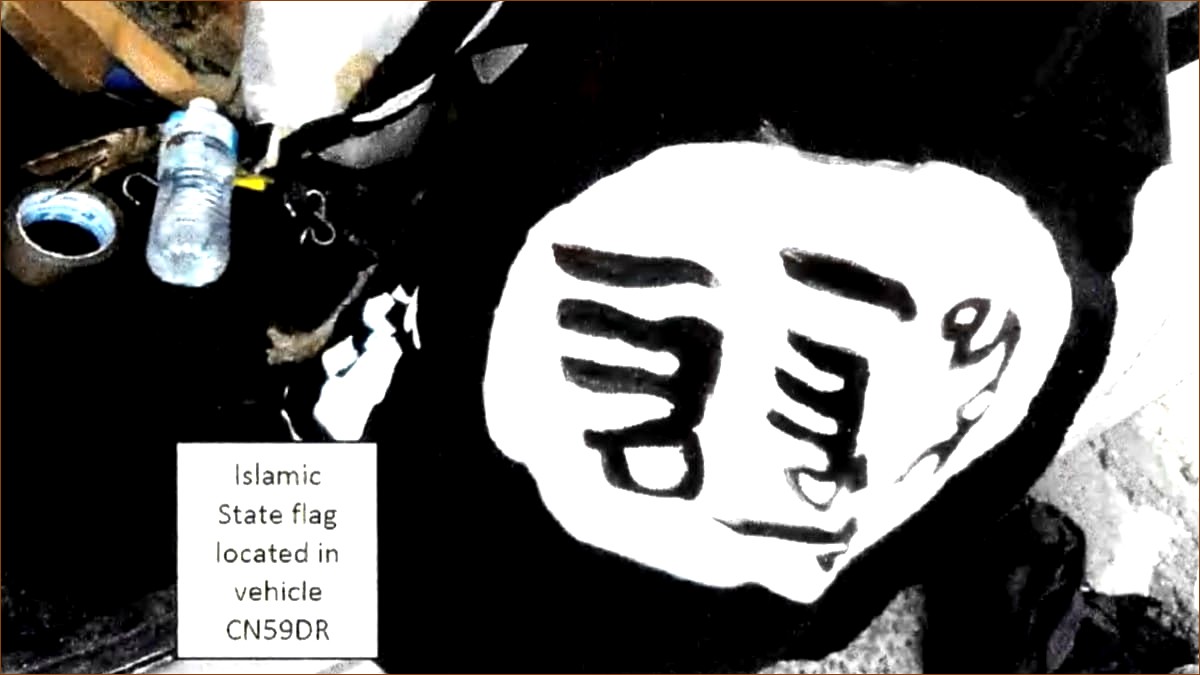
However, recent shocking news revealed that Sajid and Naveed were responsible for a deadly attack during a Jewish celebration at Bondi Beach, claiming at least 16 lives. This incident has drawn attention to the disturbing influence of extremist movements within certain groups of the Indian community in Australia and beyond.
As is often the case with terrorism-related events, it’s unclear what led Sajid and Naveed down this dark path. Naveed, described by his mother as an unemployed bricklayer, had hobbies like swimming and gym workouts.
The Australian Security Intelligence Organisation (ASIO) had previously looked into Naveed for his ties to a potential jihadist named Isaac El-Matari. In 2021, El-Matari received a seven-year sentence for a misguided plot aiming to incite an Islamic State-style uprising in Australia. His ambitions had even caught the attention of Lebanese intelligence, which informed ASIO. During his trial, the judge remarked that El-Matari appeared to have mental health issues, with delusions of grandeur about leading an Islamic State in Australia.
Despite Sajid and Naveed being questioned by police in connection with the El-Matari investigation, there was no evidence linking them to extremist groups. Sajid was even able to obtain a firearm license and legally buy the six guns used in the tragic attack.
Engineer, Dentist, and Family Connections
In another case, Kafeel Ahmed, an engineer pursuing a Ph.D. in the UK, was driven by hatred and launched a suicide attack on Glasgow Airport. His conviction for planning this attack was tied to his brother Sabeel, who received an 18-month sentence for concealing Kafeel’s intentions.
Sabeel had worked as a doctor before moving to the UK but faced serious charges for allegedly recruiting for the banned group Lashkar-e-Taiba in Pakistan. His connections brought together key figures in the plot, including his brother-in-law and others.
Kafeel’s radicalization seemed to begin with his involvement in the Tablighi Jama’at, a group focused on promoting Islam. His interests later expanded to other Islamic causes, including conflicts in Chechnya and Bosnia.
This isn’t an isolated case. Adil Fayaz Waida, the son of a supermarket owner in Srinagar, reportedly joined the Islamic State in 2012. After studying in Australia and obtaining an MBA, he became involved in Street Dawah Australia, which promotes Islam in public spaces. Some members of this group have died fighting alongside the Islamic State.
Naveed Akram, like Waida, showed interest in religious study, earning certifications in Quran recitation and classical Arabic.
While the number of Indian jihadists within the Islamic State is small, there are significant exceptions. Highly educated individuals, like a dentist and several engineers, have also been reported as recruits. Many have drawn inspiration from online forums linked to jihadist groups.
Philippine Connections
Australia has experienced various significant terrorist plots, including a 2017 plan by two brothers to bomb a flight from Sydney. Even amid these incidents, not all family members turn to extremism. For instance, Naveed has younger siblings who have not engaged in such activities.
Interestingly, both Sajid and Naveed reportedly traveled to the southern Philippines last November, raising suspicions that they may have undergone training with the Islamic State in Southeast Asia. Investigators are now working to trace their movements during this time. The Philippines is one of the few areas outside the Middle East with a notable Islamic State presence.
A female recruiter from the Philippines is suspected of connecting young Indian men with extremist groups, highlighting the growing global nexus of jihadist recruitment efforts.
