
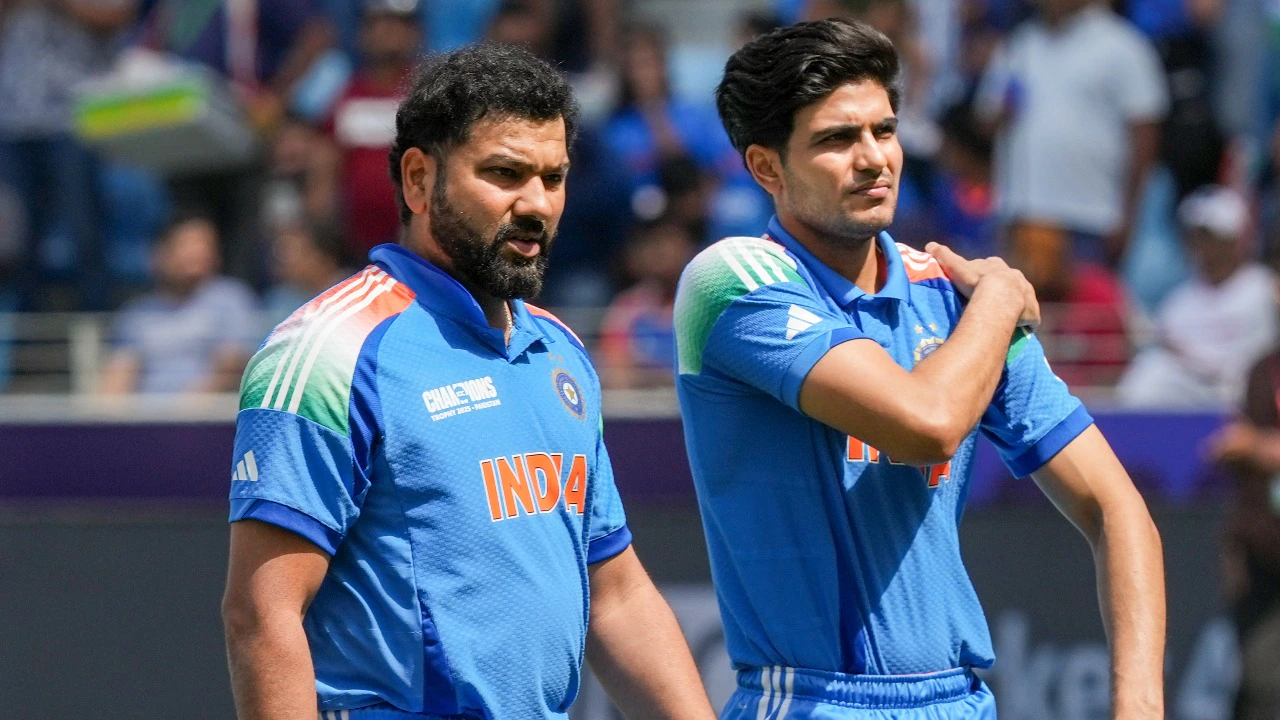
India’s T20 World Cup Squad: The Notable Omission of Shubman Gill
On December 20, the selection committee headed by Ajit Agarkar, alongside coach Gautam Gambhir, announced India’s T20 World Cup squad. Overall, their choices received high praise, particularly with the inclusion of Sanju Samson at the top of the order alongside Abhishek Sharma. This combination promises an aggressive and dynamic start, capable of putting pressure on opposing teams during the powerplay.
However, one surprising absence sparked a lot of discussion: Shubman Gill.
The Omission’s Impact
To fully grasp the significance of Gill’s exclusion, we need to look back a bit. Just a few months ago, he was seen as a key part of India’s plans, even being considered for future leadership roles in all formats. He was appointed as the Test captain for the new World Test Championship cycle and was named the captain for ODIs, despite Rohit Sharma’s presence.
There was a strong belief within Indian cricket that they had found a future star and leader.
A Sudden Turnaround
This belief influenced decisions in T20 cricket, leading to the breaking up of the successful Samson-Abhishek opening pair to make room for Gill at the top. This change seemed more about future planning than an immediate need, raising questions about why there was a shift when the existing duo was performing so well.
Despite being given a chance across 15 T20Is, Gill’s performance didn’t match the explosive impact of his counterparts. He finished with 291 runs at an average of 24.25, while Samson and Abhishek were both exceeding strike rates of 180.
The issue wasn’t Gill’s talent but his playing style. In a T20 format that demands aggressive batting, his methodical approach didn’t fit well with the team’s requirements for chaos and quick runs.
As a result, the selectors made the tough call to exclude him from the squad, pointing to team dynamics rather than a critique of his ability. Unfortunately, he learned of this decision only after the selection meeting wrapped up.
A Historical Parallel
This scenario mirrors what happened to Rohit Sharma in 2011. Despite being part of the victorious T20 World Cup team in 2007 and showing promise in ODIs, he was left out of the World Cup squad on home soil. At 24, Rohit faced a challenging moment, as his exclusion reminded everyone that talent isn’t enough for selection.
Initially, there had been support for his inclusion, but captain MS Dhoni’s preference for a different player changed the decision at the last minute. Rohit later shared that watching the World Cup from home was painful and led him to reevaluate his approach to the game.
Instead of letting this setback hinder his confidence, he used it to drive improvement, ultimately transforming into one of the finest batsmen in India’s history. By 2013, he stepped up as a leading player in ODIs and later became captain.
A New Perspective for Gill
Shubman Gill might struggle to watch the upcoming T20 World Cup, feeling isolated with the realization that he was once a central figure in the team.
However, history shows that such absences don’t define a player’s career. Gill’s standing in Indian cricket remains strong. As a leader in two formats and one of his generation’s finest players, this decision doesn’t diminish his worth. Instead, it offers a chance for reflection and growth.
In the end, while his absence from the T20 World Cup squad is disappointing, it may also provide valuable perspective and motivation for his future endeavors.
