
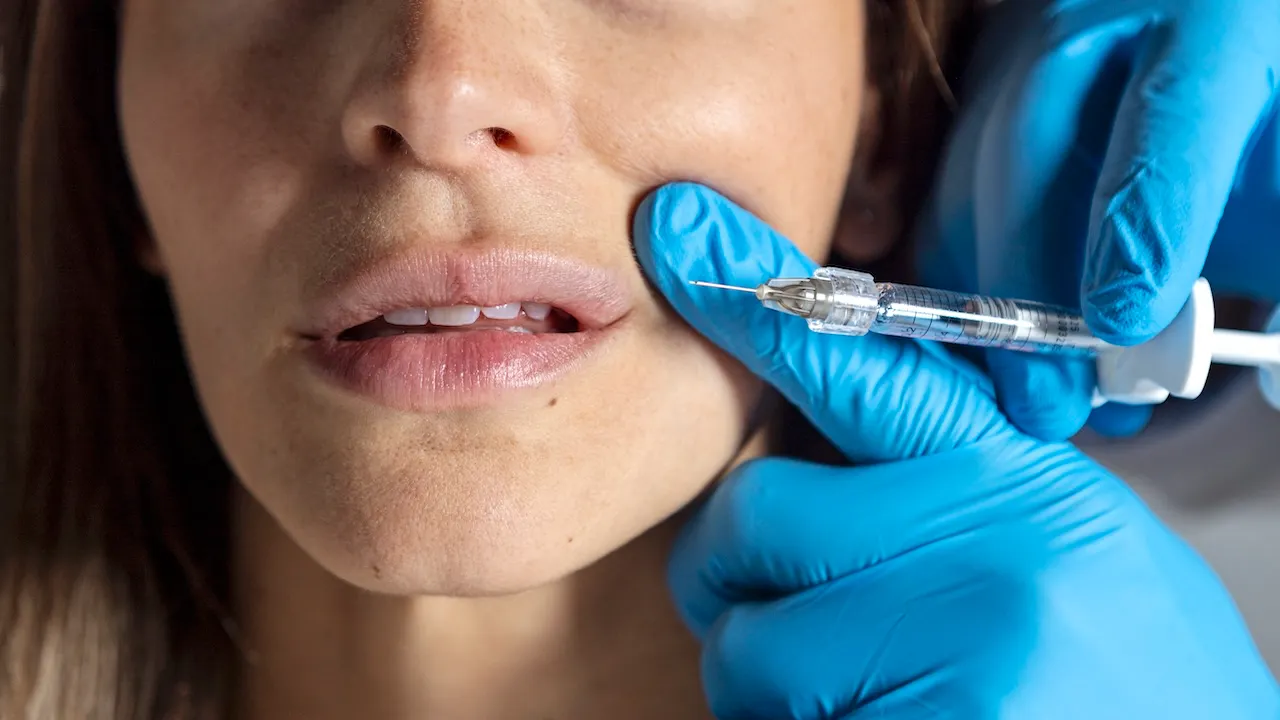
New Study Highlights Risks of Cosmetic Fillers and the Role of Ultrasound
Every year, over 5 million people undergo cosmetic filler treatments in the United States. While these procedures can enhance appearance, they may also pose serious risks, including potential blockages in blood vessels.
At a recent conference in Chicago, researchers presented findings indicating that ultrasound technology can detect these dangerous blockages early on, thus preventing serious health issues. The study focused on 100 patients who experienced complications after receiving hyaluronic acid fillers between May 2022 and April 2025.
Ultrasound technology was able to identify vascular occlusion, which is when a blood vessel becomes blocked, disrupting normal blood flow. If left untreated, this condition can lead to various problems including pain, skin damage, and even severe complications like vision loss or stroke.
Dr. Rosa Maria Silveira Sigrist, the lead researcher from the University of São Paulo in Brazil, explained that Doppler ultrasound allows doctors to visualize fillers and blood flow in real time. “While a physical exam is crucial, ultrasound offers extra details that enhance safety and treatment accuracy,” she noted.
The study revealed that over 40% of patients had blockages in smaller blood vessels, while 35% showed no blood flow in major facial arteries. The nasal area was identified as particularly vulnerable due to its blood supply connections to the eyes and brain.
Dr. Anthony Berlet, a certified plastic surgeon from New Jersey who was not part of the study, pointed out the severe consequences of vascular occlusion, including skin necrosis and potential blindness. He emphasized that once a critical artery is compromised, the damage often cannot be reversed.
Dr. Samuel Golpanian, a Beverly Hills plastic surgeon, stated that the risk of vascular occlusions should be below 1% when procedures are carried out by trained professionals. In contrast, untrained individuals may see complication rates as high as 10% to 20%.
Ultrasound not only helps identify blockages but also enables doctors to use a dissolving enzyme in precise locations, making treatment more effective. The researchers suggested embracing ultrasound during the procedure to further minimize risks.
Dr. Asif Pirani, a cosmetic surgeon from Toronto, emphasized the significance of timely decision-making in using ultrasound, whether during the procedure or for follow-up care. He also stressed that injections should always be conducted by qualified specialists trained in facial anatomy.
However, there were limitations to the study, including its small size and the necessity for peer review. The researchers acknowledged the need for standardized ultrasound guidelines and further studies to monitor long-term recovery in patients.
As the popularity of cosmetic procedures continues to grow, understanding the associated risks and ensuring quality care remains paramount.
