
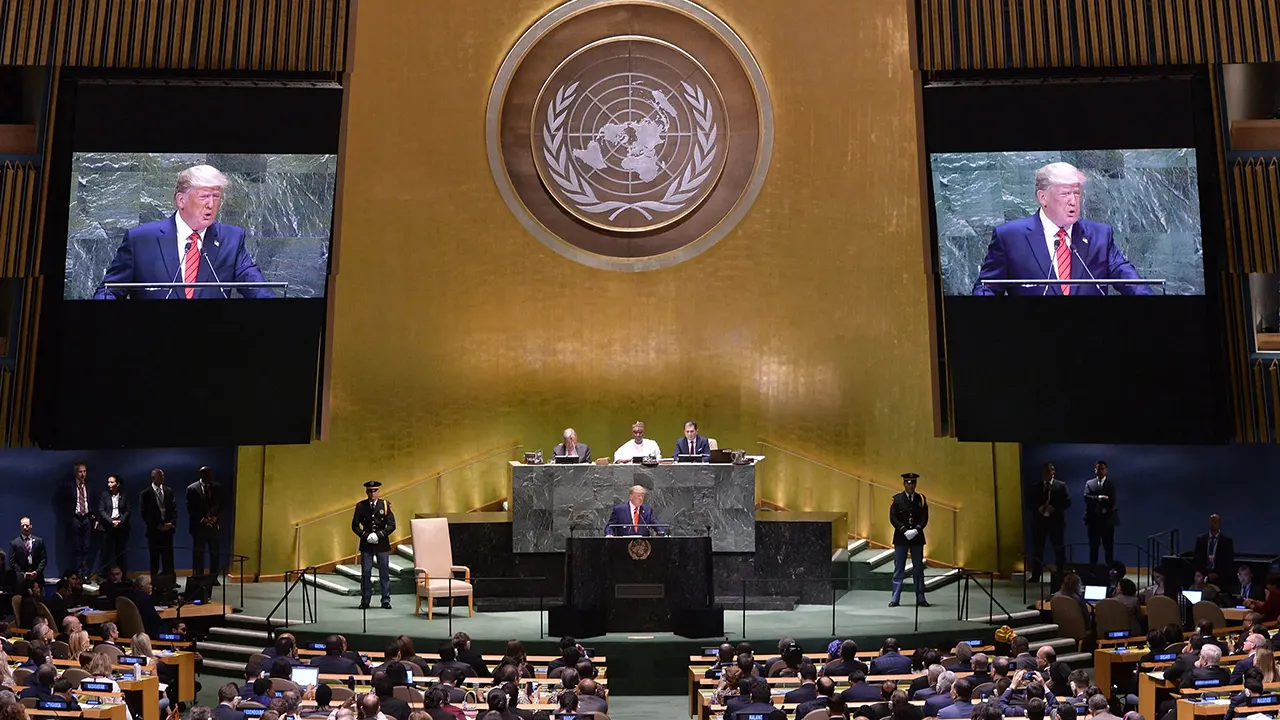
New Push for U.S. Influence in U.N. Secretary-General Selection
The Trump administration is calling for a proactive approach in choosing the next United Nations Secretary-General. As current leader António Guterres’ term ends in December 2026, there are concerns about ensuring a replacement aligns with U.S. and Western values, especially amid claims of rising anti-American sentiment within the U.N.
Guterres, who previously served as the Prime Minister of Portugal, has faced significant challenges, including ongoing global conflicts, which have led to perceptions of bias against him, particularly in relation to Israel. Experts suggest the Trump administration should closely monitor the selection process to benefit U.S. interests.
Anne Bayefsky, an expert in human rights, emphasized the importance of the U.S. being the largest financial supporter of the U.N. She stated that the U.S. should be careful about who leads the organization given its proximity to New York City, viewed by some as a potential threat to American influence.
Jonathan Wachtel, a former communications director for U.S. ambassadors to the U.N., noted that the U.N. has increasingly become a site of hostility toward the U.S. He stressed that the next Secretary-General should uphold the core principles of life, liberty, and the pursuit of happiness.
With more than a year until the election, member states have begun nominating potential candidates. However, Brett Schaefer from the American Enterprise Institute remarked that many of the names emerging so far are aligned with leftist ideologies and may not be palatable to U.S. interests.
Hugh Dugan, a former special assistant to the president, explained that the selection process could see Security Council members putting forward their preferred candidates for the General Assembly to approve late next year. This tradition suggests the next Secretary-General may come from Latin America, with a growing demand for a woman to hold the position after years of advocacy.
Currently, several candidates are in the spotlight. Rafael Grossi, head of the International Atomic Energy Agency and an Argentine diplomat, is viewed favorably by the U.S. due to his firm stance on nuclear issues. Other contenders include former Bolivian Vice President David Choquehuanca and ex-Chilean President Michelle Bachelet, although the latter’s previous criticism of the U.S. may hinder her chances.
Additionally, there are several potential candidates from various nations, including Jacinda Ardern, the former Prime Minister of New Zealand, and Alicia Bárcena from Mexico. Given the political landscape, it remains to be seen how the selection process will unfold, but experts warn of the risks of the U.S. losing influence if it does not actively engage in the proceedings.
Overall, many agree that strong leadership is essential to navigate the complexities of the U.N. and restore its relevance on the global stage. Bayefsky cautioned that a passive approach could jeopardize U.S. interests in a critical time for international relations.
