
Tatiana Schlossberg’s Cancer Diagnosis Brings Attention to Acute Myeloid Leukemia
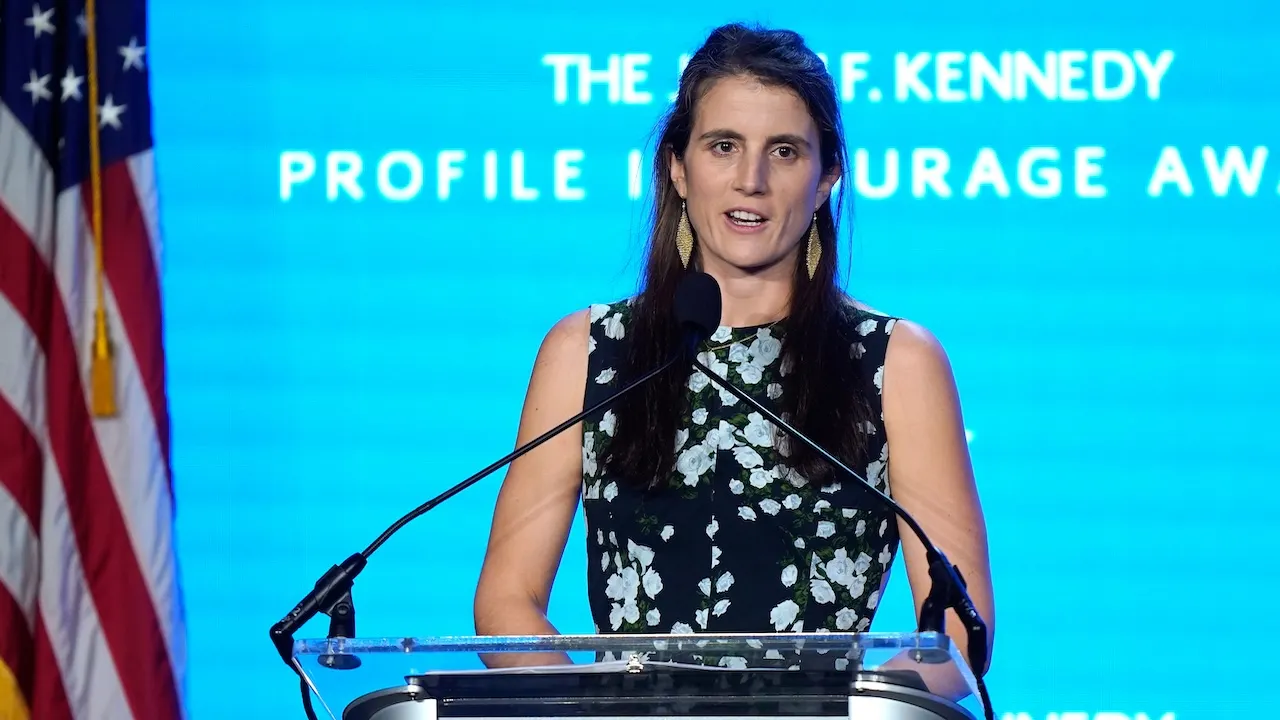
Tatiana Schlossberg, the granddaughter of former President John F. Kennedy, recently revealed that she has been diagnosed with terminal cancer. In an essay published in The New Yorker on November 22, the 35-year-old shared her journey with acute myeloid leukemia (AML), a serious form of blood cancer.
Schlossberg, who is the daughter of Caroline Kennedy and Edwin Schlossberg, discovered her illness in May 2024, just hours after giving birth to her second child. During her medical evaluations, doctors found a high white blood cell count, which raised immediate concerns.
In her essay, she mentioned that one doctor had given her a prognosis of about a year to live, a heavy prediction for someone so young.
Understanding Acute Myeloid Leukemia
AML is a cancer that starts in the bone marrow, the soft tissue in bones where blood cells are produced. According to the American Cancer Society, this type of leukemia can spread quickly from the bone marrow to the bloodstream and may impact other organs, such as the lymph nodes and liver.
For Schlossberg, her AML has been linked to a rare gene mutation known as “inversion 3.” Dr. Stephen Chung, a leukemia specialist, explained that this mutation is often associated with a poor response to standard chemotherapy, leading to challenging outcomes.
Common Symptoms and Risk Factors
Symptoms of AML can include severe fatigue, shortness of breath, unusual bleeding or bruising, fever, and frequent infections. Some might even mistake these symptoms for a severe flu.
Known risk factors for this type of leukemia range from previous chemotherapy treatments and smoking to prolonged exposure to benzene and certain inherited syndromes. However, in many cases, the cause of AML remains unknown.
Treatment Options for AML
The typical treatment for AML involves intensive chemotherapy, often involving a combination of drugs tailored to the patient’s specific needs. In more severe cases, a stem cell transplant may follow to prevent the disease from returning. This process is complex and requires extensive monitoring and care.
Dr. Chung noted that there are no specific treatments available for Schlossberg’s unique genetic condition yet, but promising research in cellular and immunotherapies is ongoing.
For elderly patients or those unable to tolerate aggressive chemotherapy, a less intensive treatment combining venetoclax and azacitidine is often used.
Hope on the Horizon
Despite the grim prognosis, there is optimism surrounding AML treatment advancements. Over the past decade, progress has been made in developing new therapies, including targeted drugs for various AML subtypes.
Dr. Sikorski, an expert in the field, highlighted the potential of immune-based treatments, which are beginning to show promise in clinical trials. He also pointed out that supportive care improvements have made it easier for patients to handle their treatments.
While specific therapies for inversion 3 are still in the works, the landscape of AML treatment is evolving, bringing hope to many patients facing this challenging diagnosis.
