
U.S. Proposes International Force for Gaza at U.N. Security Council
The United States is seeking approval from the U.N. Security Council to create an international force to manage security in Gaza. This plan aims for a multi-year oversight, extending at least until 2027. The U.S. government believes this step is vital for carrying out President Trump’s 20-point peace initiative.
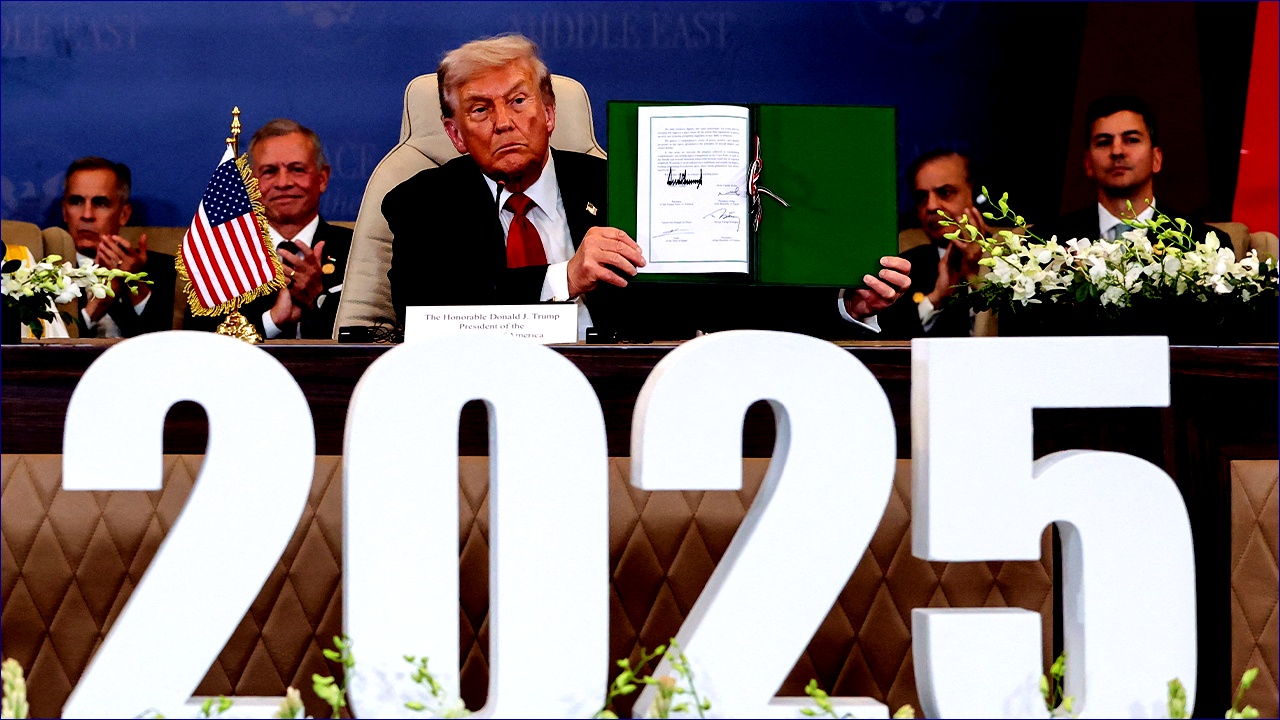
A statement from the U.S. Mission to the U.N. indicated that the proposal was developed with insights from several nations, including Qatar, Egypt, Saudi Arabia, Turkey, and the United Arab Emirates. This collaboration intends to support Trump’s comprehensive plan, which gained backing from over 20 countries at a summit in Egypt on October 13.
The U.S. hopes to start discussions with Security Council members to establish what it calls the International Stabilization Force. The goal is to foster a safe and prosperous future for Palestinians in Gaza while aiming to diminish Hamas’s influence. However, the U.S. noted that the current ceasefire is fragile and any delays in the plan could lead to severe consequences for people in Gaza.
Reports suggest that the U.S. plans to pass a resolution soon that would create an International Security Force in Gaza with a mandate lasting at least two years, possibly extending further. According to U.S. officials, they aim to initiate troop deployment by January, characterizing this force as an enforcement entity rather than a traditional peacekeeping organization.
Despite some concerns voiced by Israel regarding U.N. involvement, it recognizes the necessity of a Security Council mandate for this initiative. Experts suggest that by seeking U.N. approval, the U.S. hopes to provide political cover for countries willing to contribute troops to the stabilization effort.
While the plan faces hurdles, experts emphasize the importance of maintaining optimism. They acknowledge significant challenges, including differing views on disarmament, but urge patience and hope for solutions among committed states.
In contrast, some experts are critical of the U.S. approach, arguing that it undermines Israeli security. One expert described the proposal as a possible shift in U.S. foreign policy, pointing out that the U.N. has shown bias against Israel in the past. They expressed concern that the draft fails to condemn Hamas adequately and undermines Israel’s right to defend itself.
On a different front, Russia has proposed its resolution demanding an immediate ceasefire in Gaza, the withdrawal of foreign troops, and calls for a U.N. peacekeeping mission led by the Secretary-General. Its approach emphasizes humanitarian relief and the sovereignty of Palestinians in rebuilding efforts, standing in stark contrast to the U.S. plan, which includes provisions for disarmament and foreign governance.
As this situation develops, there is no immediate comment from the White House or State Department on these competing proposals.
