
France Reaffirms Support for Palestinian Statehood Amid U.S. Tensions
A French official has responded to President Donald Trump’s recent comments about recognizing a Palestinian state, emphasizing that the initiative presented at the United Nations aims to weaken Hamas and support the two-state solution.
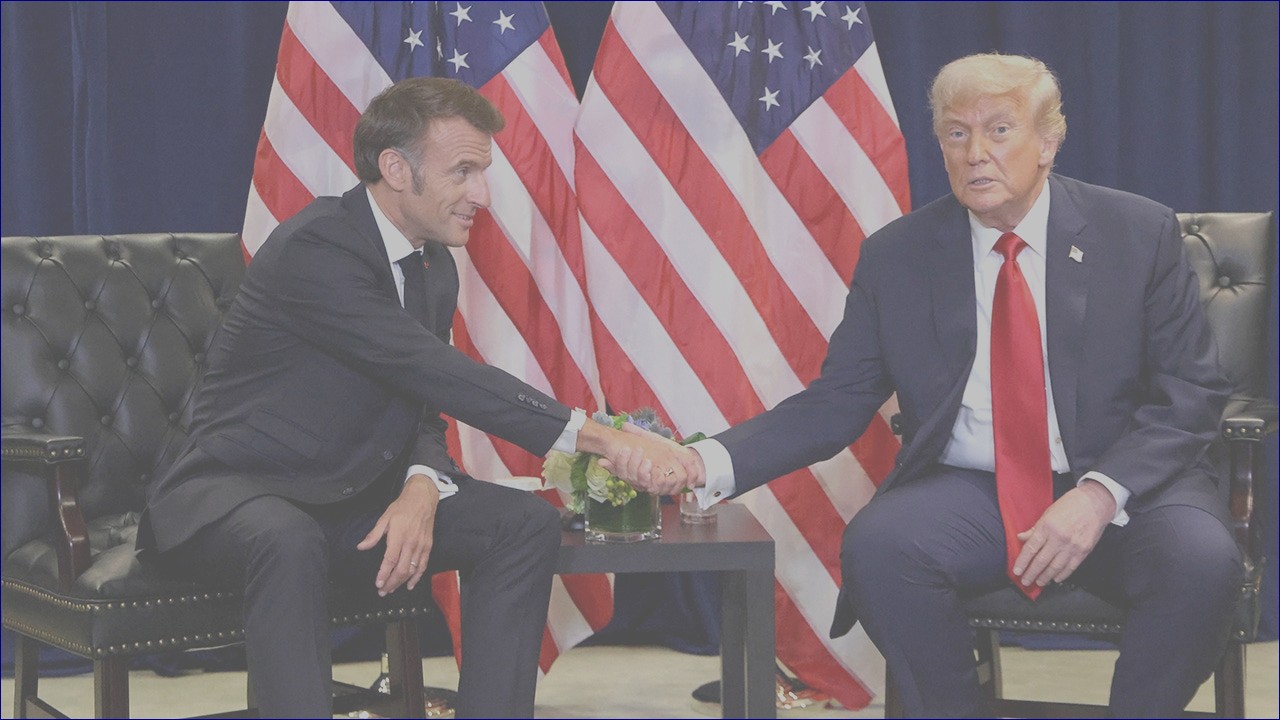
In an interview during the U.N. General Assembly in New York, Pascal Confavereux, spokesperson for France’s Foreign Ministry, clarified that French President Emmanuel Macron’s stance is not meant to oppose Trump. He stressed that the relationship between Trump and Macron remains solid, despite their differing views. “The two leaders have been in touch since Trump’s first term, discussing various issues,” Confavereux noted.
He explained that the new U.N. initiative, developed jointly by France and Saudi Arabia, combines the recognition of Palestinian statehood with commitments to condemn violence, exclude Hamas from any future Palestinian governance, and promote the Palestinian Authority’s reforms. “This plan is crucial for the two-state solution, which had been in jeopardy,” he added.
In contrast, Trump condemned the French-Saudi proposal, arguing that it would reward Hamas for its actions during the recent conflict and potentially prolong the violence. However, Confavereux asserted that recognizing Palestine serves as a counter to Hamas’s ambitions. “Hamas does not want a two-state solution; this initiative tackles that issue directly,” he stated.
Addressing criticisms that Macron’s international efforts might be aimed at boosting his domestic standing, Confavereux refrained from commenting. Nonetheless, he highlighted that the recent initiative, known as the “Declaration of New York,” received support from 142 countries, showcasing a substantial international commitment to the two-state solution.
During the discussions, Trump also remarked on Ukraine’s situation, expressing confidence in the country’s ability to reclaim its territory with European backing. Confavereux welcomed Trump’s comments, emphasizing that resistance to Russian aggression is vital.
This ongoing dialogue illustrates the complex dynamics of global politics as leaders navigate their relationships and present their nations’ priorities on the world stage.
