
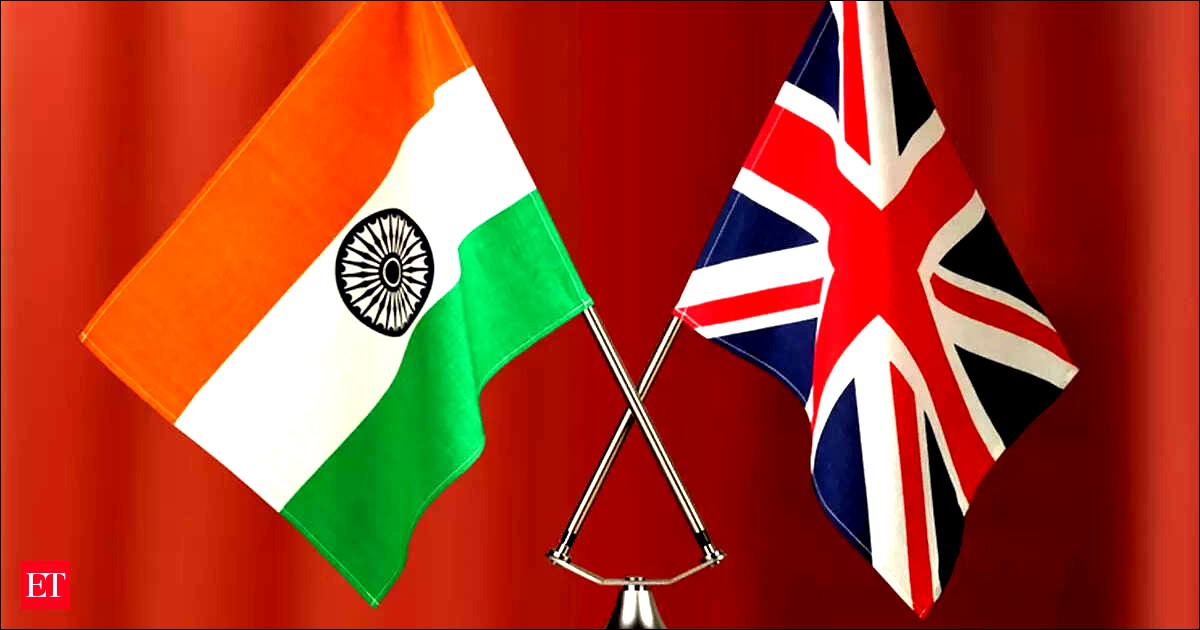
India-UK Free Trade Agreement: A New Era of Economic Cooperation
On July 24, Prime Ministers Narendra Modi of India and Keir Starmer of the UK signed a significant Free Trade Agreement (FTA) that aims to reduce trade tariffs from 15% to just 3%. This move is expected to enhance business confidence amidst a challenging global economy, as stated in the British Parliament on Monday.
As Members of Parliament returned to the House of Commons after their summer break, UK Business and Trade Secretary Jonathan Reynolds addressed MPs, providing updates on the necessary steps before this trade deal can be implemented.
Officially known as the India-UK Comprehensive Economic and Trade Agreement (CETA), this deal must go through ratification as per the UK’s Constitutional Reform and Governance Act 2010 (CRaG). This is essential to lay the groundwork for enacting the agreement.
In his address, Reynolds highlighted that the average tariff on UK goods entering India would drop significantly, leading to an estimated reduction of around £400 million from the onset of the agreement, eventually increasing to £900 million after a phased introduction. He projected that this agreement could elevate bilateral trade by £25.5 billion, boost the UK economy’s GDP by £4.8 billion, and enhance wages by £2.2 billion annually. “This deal shows our commitment to free and fair trade, providing businesses with confidence as they expand,” he stated.
Reynolds, who worked closely with Commerce Minister Piyush Goyal on the negotiations, emphasized that this agreement offers unparalleled access to India’s federal procurement market. It ensures guaranteed market access for UK service providers and streamlines trade through improved customs and digital processes. “Businesses across the UK can expect new opportunities, with expected boosts of £190 million for the West Midlands and Scotland, and £210 million for North West England,” he added.
Additionally, he informed Parliament about the commissioning of the Trade and Agriculture Commission, along with the Food Standards Agency and Food Standards Scotland, which will provide independent advice regarding the government’s assessment required under the Agriculture Act 2020. The ratification process under CRaG can only commence after these reports are submitted to Parliament.
Reynolds reassured that all necessary legislation will follow standard procedures, while negotiations for the Double Contribution Convention (DCC) would also conclude simultaneously. This new convention aims to avoid temporary foreign workers from having to pay social security contributions in both India and the UK.
The India-UK CETA, endorsed during Modi’s visit to the UK in July, intends to double bilateral trade to USD 120 billion by 2030. While it only requires a Cabinet decision in India, the agreement must undergo a parliamentary ratification process in the UK, which may take up to a year to complete.
In the House of Lords, junior minister Baroness Maggie Jones reiterated the importance of this agreement, updating peers on its progress. This deal marks a pivotal step toward strengthening economic ties between India and the UK, setting the stage for a brighter economic future together.
