
Iran’s Water Crisis Draws Attention Amid Political Tensions
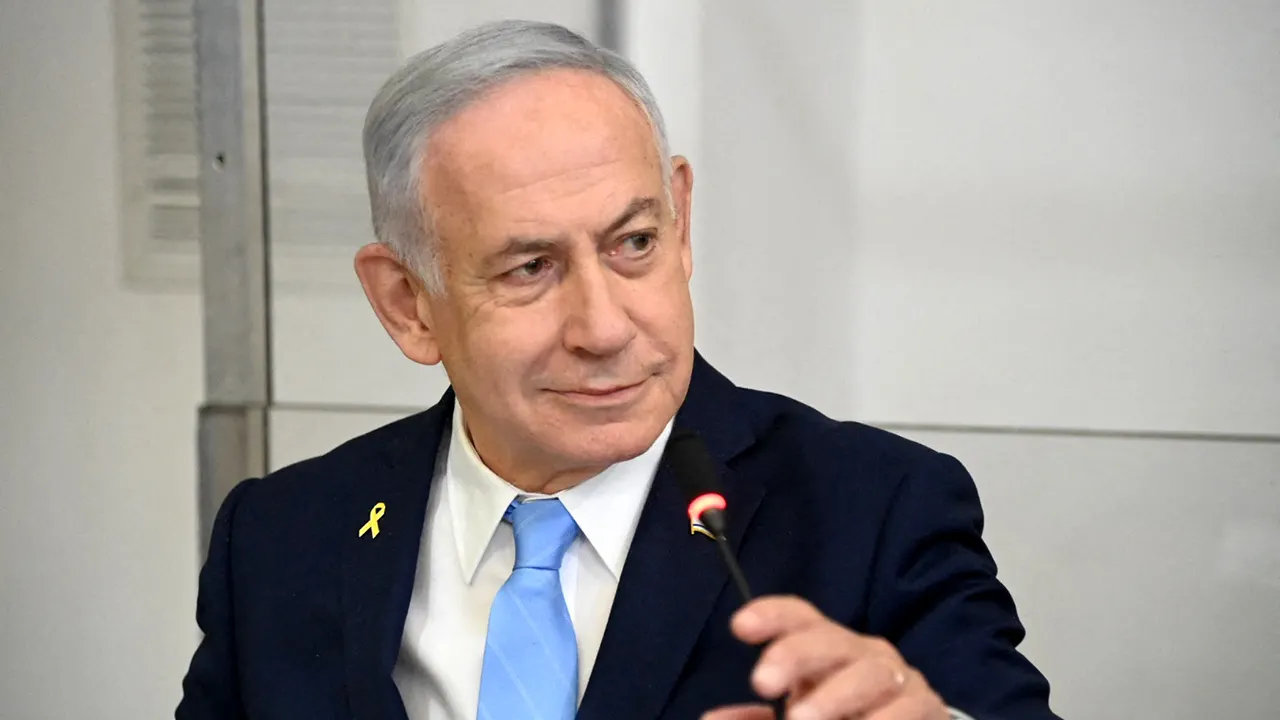
Iran is currently grappling with a critical water shortage, and help might come from an unexpected ally—if the political landscape changes. Israeli Prime Minister Benjamin Netanyahu recently addressed the Iranian people after a warning from Iranian President Masoud Pezeshkian about the nation’s looming water shortages.
In his message, Netanyahu highlighted the severe difficulties that the Iranian people face due to water scarcity, suggesting that their struggle for water parallels their desire for freedom. He linked the Iranian government’s mismanagement to the suffering of its citizens, stating, “Your rulers impose harsh conditions on you, just as they bring conflict to us.”
Reports indicate that Iran may encounter significant shortages of water, electricity, and gas in the coming weeks due to poor management and overconsumption, according to the semi-official Tasnim news agency.
Netanyahu’s remarks included a promise of support from Israel if the current regime changes. He stated, “Once your country is free, our water experts will come to help you with techniques to recycle and desalinate water.”
Analysts are interpreting Netanyahu’s statements as more than mere political rhetoric. Lisa Daftari, an Iran expert, referred to his comments as a mix of humanitarian aid and a call for political change. By directly tying the hope for improved living conditions to the removal of the current government, Netanyahu aims to empower ordinary Iranians in their fight for a better future.
In recent months, tensions between Iran and Israel have escalated, culminating in a brief conflict over Iran’s nuclear program. After hostilities, the Iranian regime intensified its crackdown on dissent, reportedly arresting around 21,000 individuals during the recent turmoil.
Critics of the Iranian regime, including exiled Crown Prince Reza Pahlavi, have condemned the government’s handling of essential resources. He claimed that the regime has led to the degradation of Iran’s environment and economy, resulting in dire living conditions for its citizens.
Despite the ongoing crisis, President Pezeshkian recently rejected government proposals aimed at reducing water usage, emphasizing the need for a more substantial solution than temporary measures. As the situation unfolds, both the humanitarian and political implications remain crucial in understanding Iran’s future trajectory.
