
Chikungunya Virus Outbreak in China: What You Need to Know
A new outbreak of chikungunya virus in China is raising concerns worldwide, particularly about its potential spread to the United States. The Centers for Disease Control and Prevention (CDC) issued a Level 2 alert for an outbreak in Guangdong Province, where health officials have recorded over 7,000 cases.
Efforts to control the outbreak are underway in China, with health officials using insecticides, nets, and even drones to reduce mosquito populations that spread the virus.
What is Chikungunya?
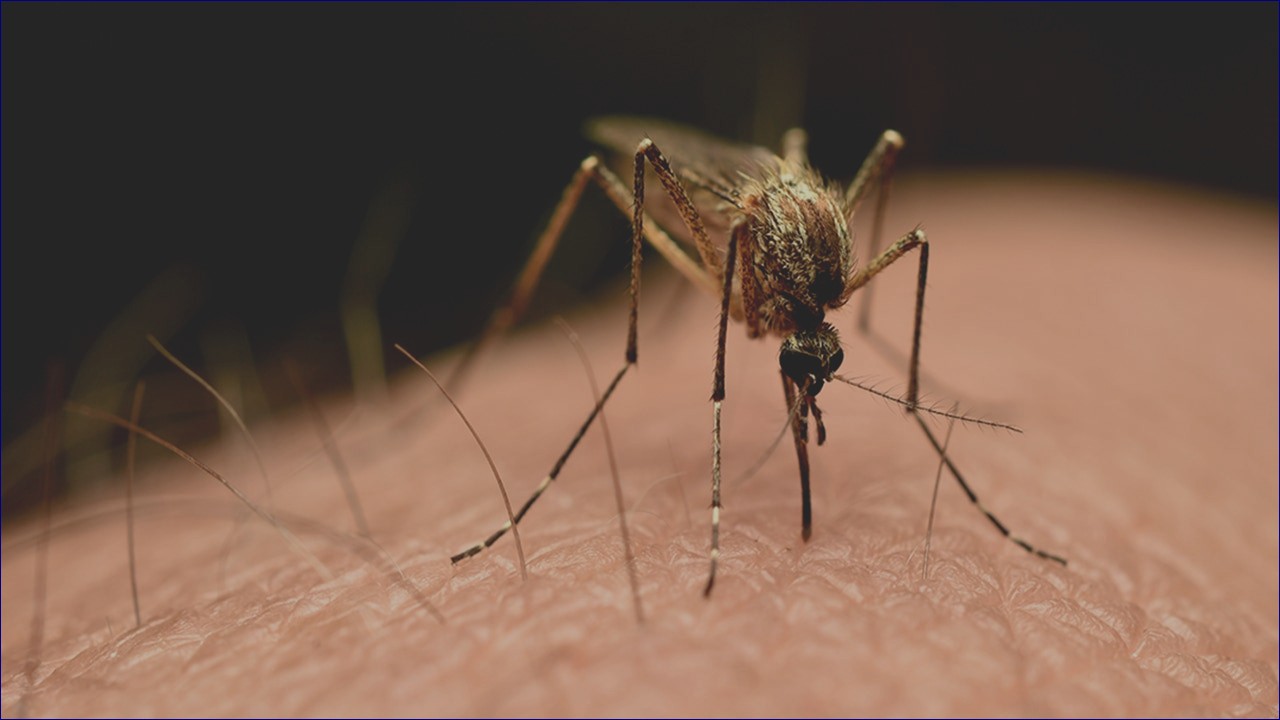
Chikungunya is transmitted by the bite of an infected Aedes mosquito, which can infect another person when it feeds on them. Symptoms include high fever, severe joint pain, and headache, with joint pain sometimes lasting for weeks or even months.
The virus is predominantly found in tropical areas, but it has begun to spread in Europe as well. Medical experts believe that an outbreak in the U.S. is unlikely due to a smaller population of the mosquitoes that carry the virus.
Dr. Paul Sax, the clinical director of Infectious Diseases at Brigham and Women’s Hospital in Boston, mentioned that chikungunya is less common in the U.S. because there aren’t enough vectors—mosquitoes—to support a widespread epidemic. He stated, “If there isn’t very much circulating chikungunya in our community, we’re not going to see a sustained epidemic.”
Most cases in the U.S. would likely come from travelers returning from regions where chikungunya is more common, requiring further mosquito bites to spread it in communities here. Areas like Florida, Louisiana, and Texas might be at higher risk due to their climates.
Understanding the Symptoms and Treatment
Symptoms to watch for include fever, headache, and severe joint pain. While there is no specific antiviral treatment for chikungunya, patients might find relief with over-the-counter pain relievers like ibuprofen. In some cases, consulting with a joint specialist for anti-inflammatory medications might be beneficial.
There are also two vaccines—IXCHIQ and VIMKUNYA—designed for travelers to high-risk areas. Experts like Dr. Neil Maniar from Northeastern University attribute the spike in cases in China to its current monsoon season, which creates favorable conditions for mosquito breeding.
Precautions When Traveling
As the risk of mosquito-borne illnesses continues to rise, health experts recommend taking precautions. Using insect repellent, wearing long sleeves and pants, and getting vaccinated when traveling to affected areas can help reduce the risk of infection.
Dr. Maniar highlighted, “We’re seeing an increase in illnesses that are transmitted by mosquitoes and ticks because the seasons for these pests are longer. Monitoring these changes is essential.”
In summary, while many parts of the U.S. remain safe from this outbreak, staying informed and taking precautions can help keep communities healthy.
