
New Treatment Offers Hope to New Jersey Woman Battling Brain Cancer
A 65-year-old woman from New Jersey, Pamela Goldberger, is feeling grateful for a second chance at life after undergoing a promising new cancer therapy. In 2023, Goldberger was diagnosed with glioblastoma, a type of brain tumor often labeled as aggressive, with a challenging survival rate of just 14 to 16 months even with interventions.
Goldberger recalled the onset of her symptoms, which began with mild nausea and escalated to confusion during a dinner with family. “I didn’t know what was happening, but I never expected this diagnosis,” she shared in a recent interview.
Following her emergency visit, tests including MRIs revealed the tumor, leaving her world in shock. “We were just frozen,” she recounted, particularly worried about not being around to see her grandchildren grow up.
After being admitted to the hospital, she was set for surgery just days later. In a notable twist, the head of neurosurgery at Cooper University Hospital suggested that she join a clinical trial focused on a personalized stem cell therapy, instead of just proceeding with standard surgery. Goldberger decided to participate.
She underwent surgery followed by six weeks of chemotherapy and radiation therapy, later adding another six weeks dedicated to the stem cell treatment. Although her recovery was slow, Goldberger began to feel herself again after completing the oral chemotherapy.
Today, two and a half years post-diagnosis, she’s active, healthy, and even plays tennis several times a week.
Insights on the Clinical Trial
Medical experts recognize that treatment approaches for glioblastoma have seen little change over the past 20 years. Dr. Joseph Georges, a neurosurgeon who led the clinical trial, noted the tumor’s ability to evade the immune system, making it a complex challenge to tackle.
“This new treatment helps the immune system identify and combat tumor cells by creating a vaccine from the patient’s own tumor tissue,” he explained. In the trial, 16 participants, including Goldberger, shared their experiences after conventional chemotherapy and radiation treatments and received the experimental therapy, which included injections every two weeks.
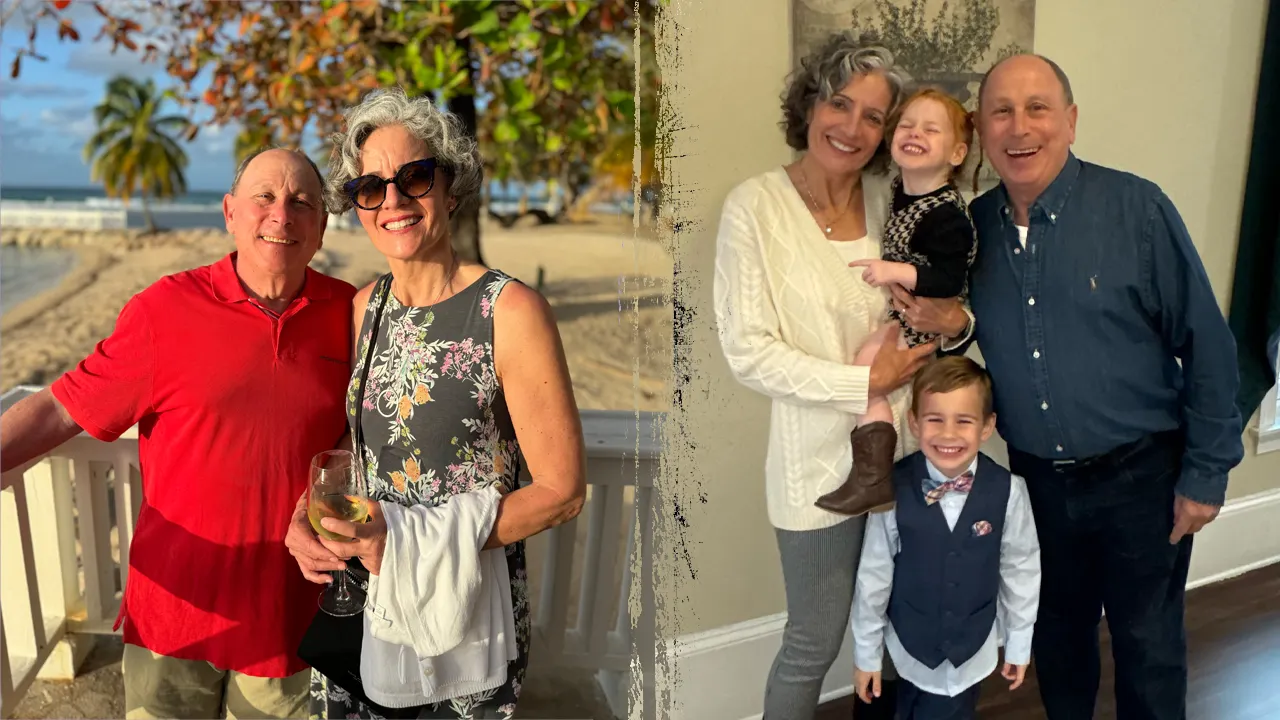
Goldberger described feeling good and returning to normal life, including indulging time with her grandchildren, enjoying lunches with friends, and diving into hobbies. She believes that the combination of medical care, personal well-being strategies, and perhaps a bit of luck contributed to her positive outcome.
A Positive Outlook
Though Goldberger continues regular check-ups with her doctors, she feels empowered and thrilled to be living life to the fullest. “I’m living my best life,” she said, encouraging fellow patients to consider clinical trials and focus on their healing journey.
Dr. Georges affirmed the potential benefits of looking into clinical trials for glioblastoma patients, underscoring that they might provide significant advancements in care.
The recent developments signal hope for not only Goldberger but many others facing similar battles.
