Close Menu
  • Home
  • World News
  • India News
  • Business News
  • Health
  • Sports
  • Indian Diaspora In US
  • Technology
  • Bollywood
  • Education
Facebook X (Twitter) Instagram
Sunday, June 7, 2026
Breaking News
  • Pant Shines with 81 as India Ramps Up 475-6 Against Afghanistan
  • From Underdog to Star: Shreyas Shines as India’s T20I Captain
  • World Bank Calls on Thailand to Revamp Business Laws Ahead of B-READY
  • Indian Mango Controversy Ignites Diaspora Outcry
  • WWII Veteran Shares Heartfelt D-Day Letter at Normandy’s 82nd Anniversary Celebration
  • Indonesian Government Calls on Vocational Colleges to Elevate Tech Skills Development
  • Salman Khan and Nayanthara Set to Film Action Scenes in Bandra for Vamshi Paidipally’s Latest Project: Report
  • India and Afghanistan Clash on the Cricket Field: A Thrilling Showdown Awaits!
Facebook X (Twitter) Instagram
India Bulletin
Advertisement
  • Home
  • World News
  • India News
  • Business News
  • Health
  • Sports
  • Indian Diaspora In US
  • Technology
  • Bollywood
  • Education
India Bulletin
Home»World News»Hiroshima Remembrance Spotlights Growing Nuclear Worries from Russia and China
World News

Hiroshima Remembrance Spotlights Growing Nuclear Worries from Russia and China

August 6, 20253 Mins Read
Facebook Twitter Email
Share
Facebook Twitter Email


80 Years Later: The Nuclear Threat Remains Critical

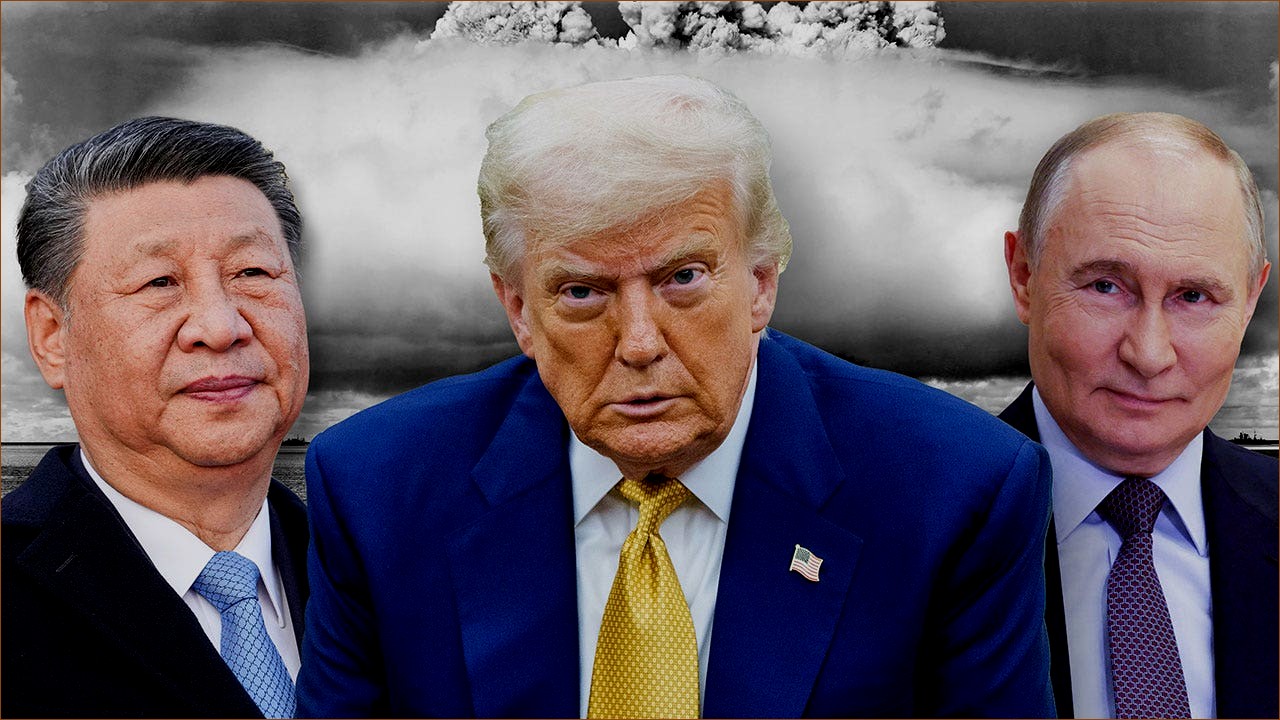
This week marks 80 years since the United States dropped the first atomic bomb on Hiroshima, Japan, with another bomb falling on Nagasaki just days later. These events, which ended World War II, also raised ongoing concerns about nuclear warfare, a threat that still looms large today.

Rebeccah Heinrichs, a nuclear expert at the Hudson Institute, points out that the U.S. faces a unique challenge now, confronting two nuclear rival nations: Russia and China. Both countries are not only enhancing their nuclear capabilities but are also working together, directly opposing Western interests, particularly those of the U.S.

Heinrichs noted that the nuclear landscape today is much more complicated than during the Cold War, when the U.S. primarily dealt with the Soviet Union. She highlights that both Russia and China are investing heavily in their nuclear arsenals while pursuing aggressive territorial ambitions.

Despite the catastrophic destruction that could result from a nuclear conflict, fears about the possibility of nuclear war are rising. The bombings of Hiroshima and Nagasaki killed around 200,000 people and changed military strategies forever. They led to an arms race and solidified the principle of deterrence based on mutually assured destruction.

In a worrying sign, the Bulletin of the Atomic Scientists recently adjusted the “Doomsday Clock,” moving it closer to midnight than ever before. This clock symbolizes the world’s risk of nuclear war, with scientists warning that current trends signal unprecedented dangers.

The Bulletin also pointed out that while nations like North Korea and Iran pose threats, the main concerns still center on the U.S., Russia, and China. Russia’s ongoing conflict in Ukraine and its disregard for international nuclear agreements, alongside China’s nuclear ambitions, contribute to a risky environment.

However, some analysts, including Heinrichs, argue against panic. While she acknowledges the serious nature of current tensions, she believes deterrence can still work to prevent nuclear conflict. Heinrichs emphasizes that the real danger lies not in the number of nuclear weapons but in how countries might choose to employ them.

She explains that Russia frequently threatens nuclear action to intimidate Western nations, particularly during its military operations in Ukraine. Instead of yielding to fear, Heinrichs advocates for a strong and confident response from the U.S. and its allies, emphasizing the importance of clear communication about their capability to respond.

In summary, while the threat of nuclear warfare remains a significant concern, experts believe that maintaining strong deterrence and clear communication can help prevent a potential crisis.

China defense nuclear proliferation Russia World world war two
Share. Facebook Twitter Email
admin
  • Website

Related Posts

WWII Veteran Shares Heartfelt D-Day Letter at Normandy’s 82nd Anniversary Celebration

June 7, 2026

Air Canada Halts Cuba Flights for the Long Haul

June 7, 2026

Another Shark Attack Claims Life, Marking Third Fatal Incident This Month

June 6, 2026
  • Facebook
  • Twitter
  • Instagram
Don't Miss

Pant Shines with 81 as India Ramps Up 475-6 Against Afghanistan

From Underdog to Star: Shreyas Shines as India’s T20I Captain

World Bank Calls on Thailand to Revamp Business Laws Ahead of B-READY

Indian Mango Controversy Ignites Diaspora Outcry

Started in 2004, India Bulletin is the largest and
most read South Asian publication
in Chicago and surrounding Midwest.

  • Home
  • About Us
  • Contact
  • Advertise With Us
  • Privacy Policy
  • Terms of Use
  • Disclaimer
  • CCPA
News
  • Bollywood
  • Business News
  • Health
  • India News
  • Indian Diaspora In US
  • Sports
  • Technology
  • World News
Facebook X (Twitter) Instagram

Type above and press Enter to search. Press Esc to cancel.

Accessibility Adjustments

Powered by OneTap

How long do you want to hide the toolbar?
Hide Toolbar Duration
Select your accessibility profile
Vision Impaired Mode
Enhances website's visuals
Seizure Safe Profile
Clear flashes & reduces color
ADHD Friendly Mode
Focused browsing, distraction-free
Blindness Mode
Reduces distractions, improves focus
Epilepsy Safe Mode
Dims colors and stops blinking
Content Modules
Font Size

Default

Line Height

Default

Color Modules
Orientation Modules