
Concerns Grow for Future Medical Students Amid New Loan Limits
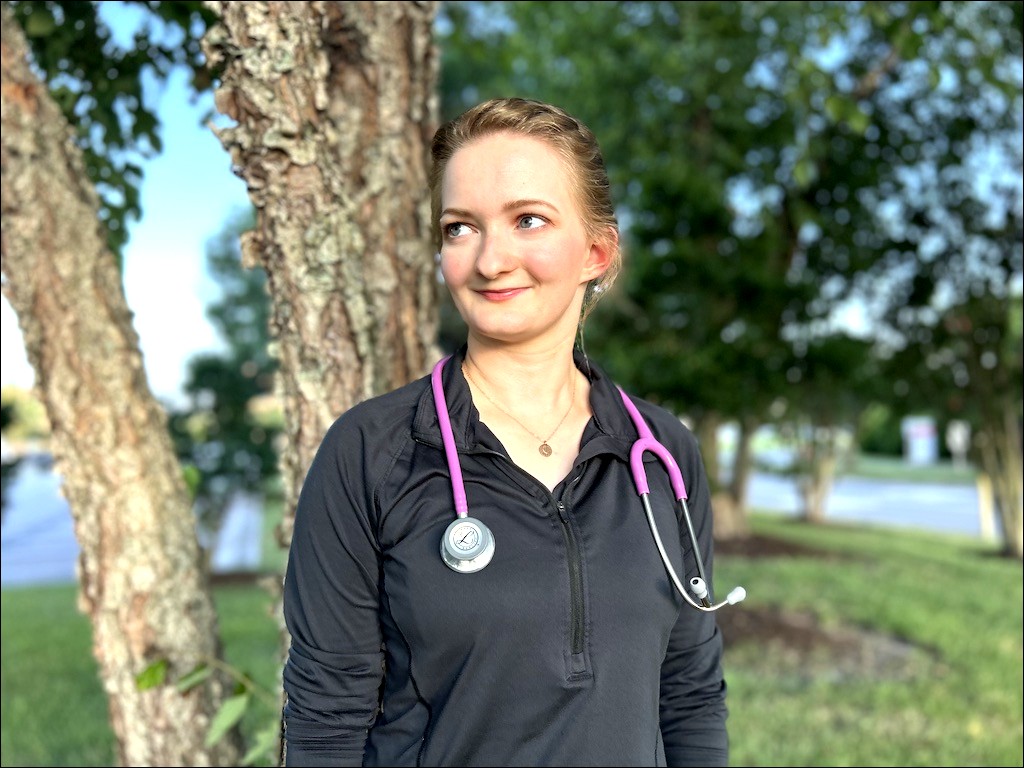
Twenty-eight-year-old Michaela Bonner has dedicated four years to working as an emergency medical technician in Norfolk, Virginia, while also juggling her studies at college. She aims to finish her medical school prerequisites but faces a daunting financial barrier due to new federal loan regulations.
Under a recent tax law signed by former President Trump, students can only borrow up to $50,000 annually in unsubsidized federal loans for medical school. This has left Bonner worried that her aspiration of becoming a doctor might be slipping away. “I’m told how much they need more doctors, and I’ve put in so much effort. I don’t want to give up, but there’s no support available for someone like me who can’t afford the full cost of living through loans,” she shared in a recent conversation.
The new law not only affects the borrowing limits but also changes the repayment process for student loans starting July 1, 2026, ending Grad PLUS loans, which many rely on for advanced degrees. For current borrowers under income-driven repayment plans, the deadline to switch to a new plan is July 1, 2028, and interest will start accruing again for those in the Biden-era SAVE plan after August 1.
The loan caps mean that medical and law students will be limited to $50,000 a year, with a lifetime borrowing cap of $200,000. In contrast, students pursuing degrees in areas like history will have a $100,000 lifetime limit. With the average annual cost of medical school ranging from $42,000 to $72,000 for the 2024-25 academic year, many students are already feeling the pressure.
Some lawmakers argue that students should take more responsibility for funding their education. Others believe that these caps will force colleges to manage rising tuition costs better. However, critics worry that these changes will disproportionately affect students from lower-income families and worsen the ongoing shortage of physicians.
To combat the physician shortage, some states have implemented policies to ease the path for healthcare professionals. Since 2023, nine states have made it simpler for internationally trained doctors to obtain medical licenses. Additionally, interstate licensing agreements have allowed nurses and physician assistants to work across state lines.
More than 20 states have taken steps for student loan relief. For instance, Georgia has expanded its loan forgiveness program for physicians serving in rural or underserved areas, while Idaho introduced a program offering forgivable loans to nurses working in rural locations.
According to McKenzie Richards, a health policy fellow, the national physician shortage could exceed 100,000 by 2034, up from an estimated shortage of 64,000 at the end of 2024. She emphasizes the urgent need for states to develop solutions to address this issue.
Richards suggests that the loan caps could encourage schools to lower tuition and admit more students, which could ultimately help produce more doctors. However, she noted that the caps would hurt students in more expensive programs the hardest, forcing them to seek private loans or other financing options.
Shannon Jimenez, dean at the Arkansas College of Osteopathic Medicine, believes that the limitations on borrowing may dissuade students from pursuing primary care, especially those from lower socioeconomic backgrounds. She pointed out that this cap could restrict efforts to attract students who are more likely to serve in underserved areas.
In Louisiana, the physician shortage is projected to reach nearly 5,000 by 2030, including hundreds of primary care practitioners nearing retirement. Jimenez also expressed skepticism about whether schools could lower tuition, as they need to pay competitive salaries to faculty.
Michaela Bonner, who previously earned a degree in political communications, is currently studying biomedical sciences. She already has $20,000 in student loans and is saving money for her education while supporting herself. With the upcoming medical school entrance exam on her horizon, she worries about affording living expenses. “Medical school won’t allow for a job, so I’ll need loans for living costs,” she noted.
“I believe many potential students may feel anxious after investing years into education, only to see the systems they depended on fading away,” Bonner stated. “I’m still trying to find my way, but it’s challenging.”
