
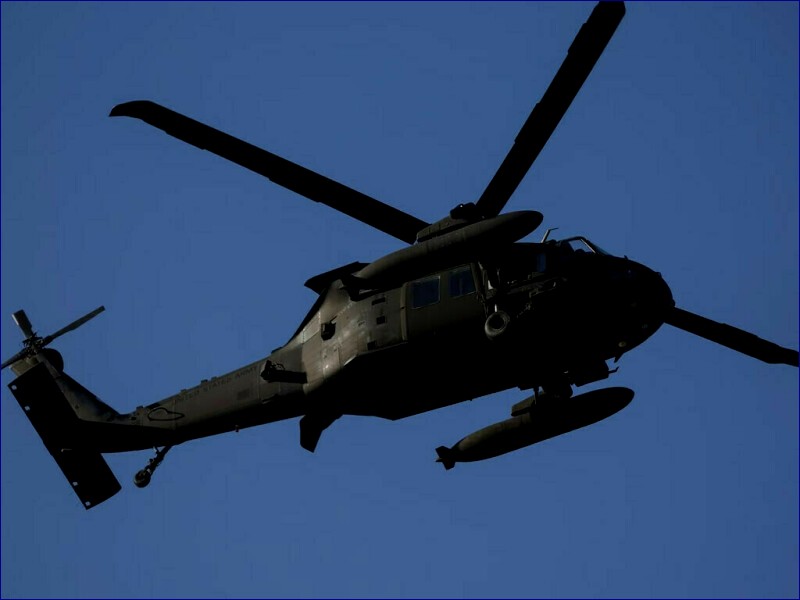
NEW YORK: An investigation into a tragic mid-air collision between a U.S. Army helicopter and a passenger plane has brought to light some important concerns regarding the helicopter’s altitude readings. The accident, which occurred on January 29, resulted in the loss of 67 lives.
The National Transportation Safety Board (NTSB), responsible for probing significant transport accidents, conducted hearings over three days, from Wednesday to Friday. Experts, regulatory officials, and air traffic controllers were all closely questioned during the sessions.
The collision involved a Sikorsky Black Hawk military helicopter and a Bombardier CRJ700 passenger plane, operated by an American Airlines subsidiary. The passenger plane was approaching Reagan National Airport, not far from the White House, when it collided with the helicopter that was on a training flight.
Initial findings from flight recorder data presented by the NTSB on February 14 pointed out inconsistencies in the helicopter’s altitude readings. To dive deeper into the issue, tests were carried out using three helicopters of the same model from the same battalion.
This week’s results highlighted a notable difference between the altitudes shown by the helicopter’s radar and barometric altimeters. Investigator Marie Moler mentioned that the differences ranged from 80 to 130 feet (24 to 40 meters) during flight, while in controlled tests, they were only 20 to 55 feet apart.
Moler stated, “Once the helicopter’s rotors began turning, the altimeter readings dropped significantly and remained low throughout the flights.” NTSB Chair Jennifer Homendy emphasized the importance of these discrepancies, urging for a deeper investigation. “I am concerned. There is a chance that what the crew saw differed significantly from the actual altitude,” she remarked, adding, “A 100-foot difference is crucial in this situation.”
During the hearings, it was noted that helicopters must stay below 200 feet in the Potomac River area where the crash took place. Meanwhile, former President Donald Trump attributed the incident to diversity hiring policies, despite no evidence supporting this claim.
Federal Aviation Administration air traffic control specialist Clark Allen reported that there were enough supervisory staff in the control tower that night. This collision marks the first major plane crash in the U.S. since a tragic incident in 2009, which claimed 49 lives near Buffalo, New York.
