
Trump Announces Ambitious AI Strategy Focusing on U.S. Leadership
WASHINGTON (AP) — On Wednesday, former President Donald Trump introduced a bold new strategy aimed at strengthening the United States’ position in the world of artificial intelligence (AI). His plan, titled the “AI Action Plan,” suggests reducing environmental restrictions to speed up the building of powerful AI supercomputers and to promote U.S.-made AI products both domestically and internationally.
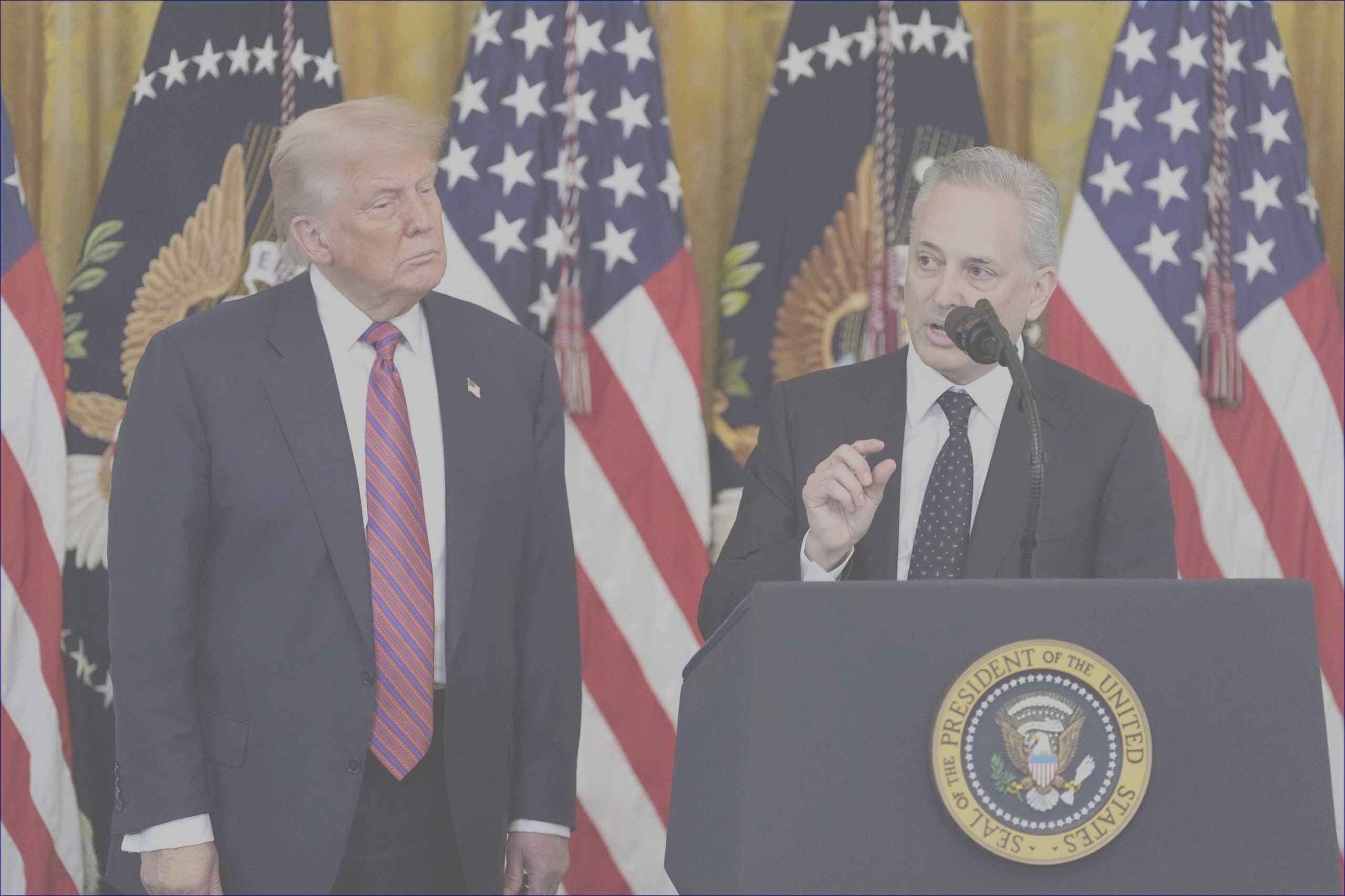
During the announcement, Trump emphasized the need for innovators to work without excessive regulation. “America must once again be a place where innovators get a green light, not held back by red tape,” he stated at the launch event, which was co-hosted by the bipartisan Hill and Valley Forum and the “All-In” podcast, featuring prominent tech investors, including Trump’s AI advisor, David Sacks.
The plan incorporates various ideas that have been pushed by tech industry leaders, emphasizing faster sales of AI technology overseas and easing the construction process for energy-intensive data centers necessary for AI development.
To implement these concepts, Trump signed three executive orders on the same day. These orders aim to streamline the approval process for AI-related construction, promote U.S. tech exports, and remove what he termed “woke” influences from AI.
After his election, Trump tasked his tech advisors with creating new AI policy ideas, following his cancellation of President Joe Biden’s regulations on AI on his first day back in office.
Prioritizing AI Growth and Addressing Bias
The “AI Action Plan” focuses on removing obstacles that could hinder the adoption of AI across various sectors. Trump reiterated that the goal is for the U.S. to lead globally in artificial intelligence. Part of this includes addressing concerns raised by some of his strongest supporters about perceived liberal bias in AI technologies, such as chatbots like ChatGPT and Google’s Gemini.
Under the new plan, government contracts would be restricted to tech companies that ensure their systems are unbiased and uphold free speech. Although the specifics of the “American values” that should guide this approach aren’t defined, they are central to the plan.
David Sacks has openly criticized what he calls “woke AI” for over a year, referencing issues that arose when a Google AI tool generated unexpected representations of historical figures, which sparked debates on AI’s political bias.
Easing Regulations for Data Center Development
One of the main objectives of Trump’s plan is to accelerate the construction of new data centers and factories by relaxing environmental regulations. He described certain environmental standards as “radical climate dogma” and suggested removing key laws related to clean air and water.
Trump linked the expansion of AI technology to greater electrical capacity, stating, “We will add at least as much electric capability as China,” and allowing companies the freedom to build their own power facilities.
Many major tech firms are already working on new data centers in the U.S. and globally. For example, OpenAI recently announced the first phase of a large data center in Abilene, Texas, part of a project backed by Oracle. Other companies like Amazon, Microsoft, and Meta also have substantial developments underway.
While there is strong industry support for easing permitting processes for AI infrastructure, this expansion has raised concerns about growing demand for fossil fuels, which contribute to climate change. Recently, United Nations Secretary-General Antonio Guterres urged tech companies to use renewable energy for data centers by 2030.
The new plan also discourages states from imposing strict regulations on AI, encouraging federal agencies to withhold funding from states with onerous rules. “We need one federal standard that applies to everyone,” Trump commented, highlighting the need to avoid legal disputes across multiple states.
Tensions Around AI Regulation
Discussions around AI regulation remain divisive, even among influential Trump supporters. Some, like venture capitalist Marc Andreessen, advocate for accelerating AI development with minimal regulation, while others, like Sacks, advocate a balanced approach.
Over 100 organizations, including labor unions and privacy advocates, have voiced opposition to Trump’s AI agenda. J.B. Branch, an advocate for Big Tech accountability at Public Citizen, described the plan as catering to the interests of large tech companies while neglecting the everyday American.
“They’re getting sweetheart deals while the average person will face higher electricity bills to support massive AI operations,” Branch said. “We deserve an AI future that prioritizes safety and fairness, not just favorable terms for billionaires.”
