
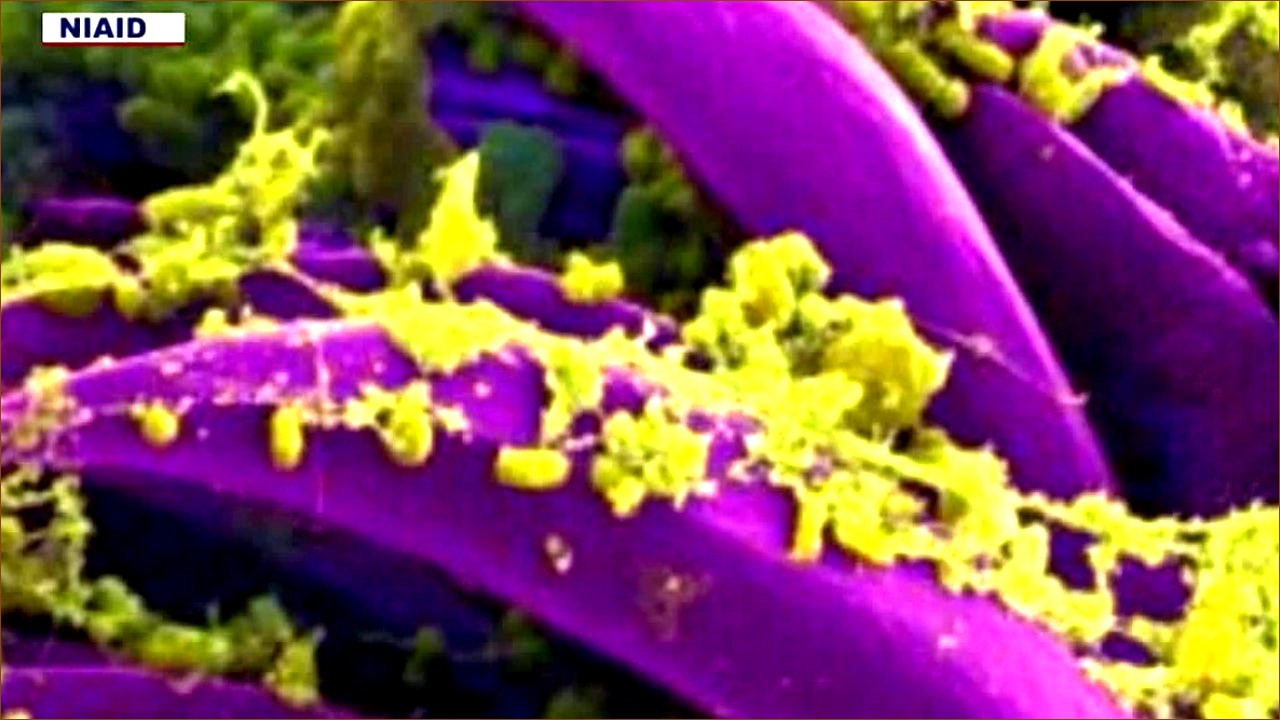
Flagstaff Plague Case: Health Officials Say No Cause for Alarm
FLAGSTAFF, Ariz. — In a recent case, a person in Flagstaff passed away due to the plague, but health officials are reassuring the public that the situation is not dire. The Arizona Public Health Association emphasizes that the plague is treatable and that there are simple ways to protect oneself.
When many hear “plague,” they may think of the history books, particularly the Bubonic Plague that swept through Europe in the 1300s, claiming millions of lives. Will Humble, Executive Director of the Arizona Public Health Association, noted that those fears are outdated.
“This disease will not have the same impact again,” he said, highlighting the advancements made in understanding and managing it.
While this marks the first reported death from pneumonic plague in Coconino County since 2007, Humble insists there’s no reason to panic. He explained how the disease spreads: it usually starts from infected prairie dog colonies, where fleas live. If a pet, such as a cat or dog, comes into contact with those fleas and then bites a human, that’s how the plague can transfer.
Even though pneumonic plague comes from the same bacteria as Bubonic Plague, it can be harder to spot as it often appears similar to pneumonia. “It can be tricky for doctors to identify,” Humble mentioned.
Despite being able to spread from person to person, he reassured the public that pneumonic plague is not as contagious as COVID-19 and can be treated effectively with antibiotics if caught early.
So, should residents or campers in northern Arizona be concerned? “Not really. It’s quite rare,” Humble said. He added that the best precaution is to keep pets on leashes, something pet owners should do anyway.
In Arizona, plague cases are mostly found in Coconino, Navajo, and Apache counties. However, the risk of contracting the disease remains very low. It’s also worth noting that this recent case is not connected to the recent death of prairie dogs near Flagstaff.
Health officials encourage everyone to stay informed and take basic precautions, but overall, there’s no need for alarm regarding this rare disease.
