
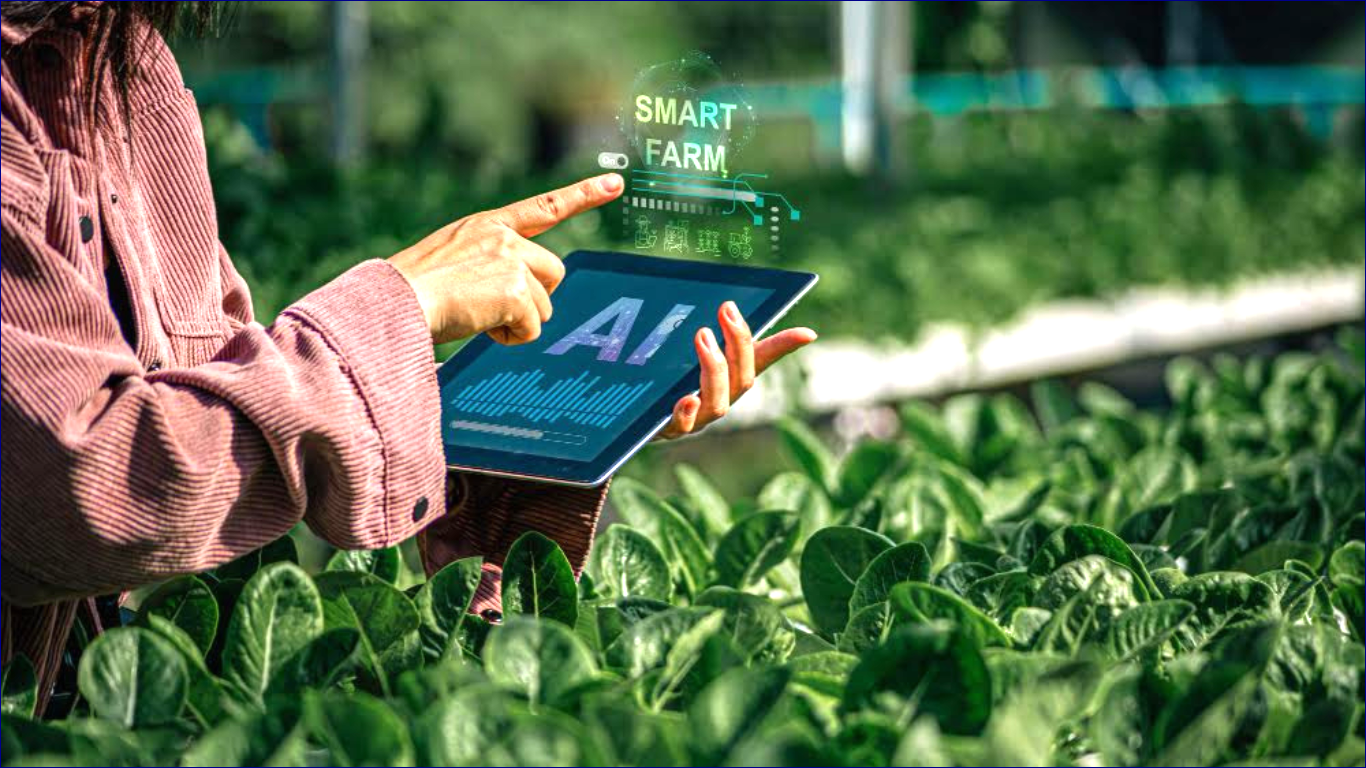
Modern Agriculture: Embracing Precision Farming to Overcome Challenges
Today’s farmers are grappling with rising costs, unpredictable weather, and stricter environmental regulations. To thrive, they need to maximize productivity while minimizing harm to their crops and land. Unfortunately, traditional farming practices often treat large fields as a single unit, neglecting the unique needs of different areas. This can lead to excessive use of resources and long-term damage to the soil.
To tackle these issues, many farmers are turning to precision farming software. This technology gathers and analyzes detailed data from the fields, allowing farmers to make informed decisions quickly and effectively. Whether it’s for irrigation, spraying chemicals, or harvesting, every action becomes more targeted and efficient.
What Is Precision Farming Software?
Precision farming software consists of digital tools that help farmers adjust their practices based on the specific conditions in their fields. By using data from satellites, in-field sensors, and GPS technology, farmers can see variations in crop health, soil quality, and weather. This allows them to provide tailored treatments to different parts of the field, which significantly reduces waste and cuts costs.
In larger fields, responding to specific conditions is crucial. One area where farmers see immediate benefits is water usage. Precision irrigation is a smart first step toward conserving resources.
Precision Irrigation for Better Water Management
Imagine a farm located in a drought-prone area with uncertain water availability. Without a proper irrigation plan, a farmer could run out of water too quickly or not apply enough at critical times.
Using precision agriculture software, farmers can access real-time soil moisture data and weather forecasts, ensuring they water only the dry areas. Advanced drip irrigation systems deliver water directly to the roots, minimizing evaporation and runoff. Meanwhile, sensors and satellite imagery allow farmers to monitor their fields and adjust irrigation schedules automatically. This approach conserves water while still promoting healthy crop growth, especially during dry spells.
Variable Rate Application for Chemical Efficiency
Using too much fertilizer or pesticide is wasteful and can disturb soil balance, leading to lower yields and long-term damage. Precision farming software allows farmers to apply the right amount of chemicals where they are truly needed. Variable rate application (VRA) tools utilize data from soil tests and crop sensors to identify different needs across the field.
For example, in a barley field, VRA tools might reveal that one section has poor soil and requires extra nutrients, while another area is already sufficient. By applying pesticides precisely where pests are identified, farmers avoid blanket treatments. This approach not only saves resources but also protects crop health and the environment.
Reducing Fuel Use and Equipment Wear
Farm machinery represents one of the largest expenses for farmers. The costs of fuel, maintenance, and repairs can add up quickly, especially if equipment is not used efficiently. Precision software helps to minimize unnecessary work.
For instance, GPS technology guides machinery in straight, non-overlapping rows, ensuring every pass counts without redundancy. This efficiency leads to significant savings in fuel and reduces wear and tear on equipment. Moreover, GPS-enabled machines can operate with more precision during seeding or spraying, cutting down on mistakes and waste.
Managing Risks with Agricultural Software
Farming is becoming increasingly risky, with unpredictable weather patterns like droughts and floods affecting harvests worldwide. Farmers can’t control these challenges, but they can take proactive steps using crop management software.
With these tools, farmers can track weather patterns and receive alerts about potential pests and diseases. They can also remotely monitor crop health using satellite technology and analyze field histories to adjust for recurring issues. By combining these strategies, farmers can alleviate some of the uncertainty involved in daily decisions.
Data-Driven Decisions for Planting and Harvesting
The choices made during planting and harvesting significantly impact the season’s success. With agronomy software, farmers can utilize multi-year data, including yield maps and weather patterns, to make informed decisions. This means adjusting planting dates or seed density based on historical data, avoiding underperforming areas, and optimizing harvest schedules based on crop maturity.
Good timing is crucial; delays of just a few days can lead to issues like crop damage, especially in humid conditions. Using crop maturity tracking and weather forecasting, farmers can streamline their harvests, which minimizes delays and fuel consumption.
From Short-Term Savings to Long-Term Sustainability
Precision agriculture software enables farmers to save on water, chemicals, and fuel while also planning for the future with data-driven insight. As data accumulates over seasons, farmers can identify trends, such as which fields dry out quickly or when pests become a problem. This knowledge transforms farming into a more managed discipline rather than a reactive response to challenges.
Initially, farmers may notice small savings—like reduced fertilizer or fuel use—but these practices contribute to the long-term health of the land they rely on for future seasons.
This article aims to highlight the importance of precision farming in today’s agriculture, focusing on the benefits of technology for resource management and sustainability.
