
New Research Suggests Ear Wax May Point to Early Signs of Parkinson’s Disease
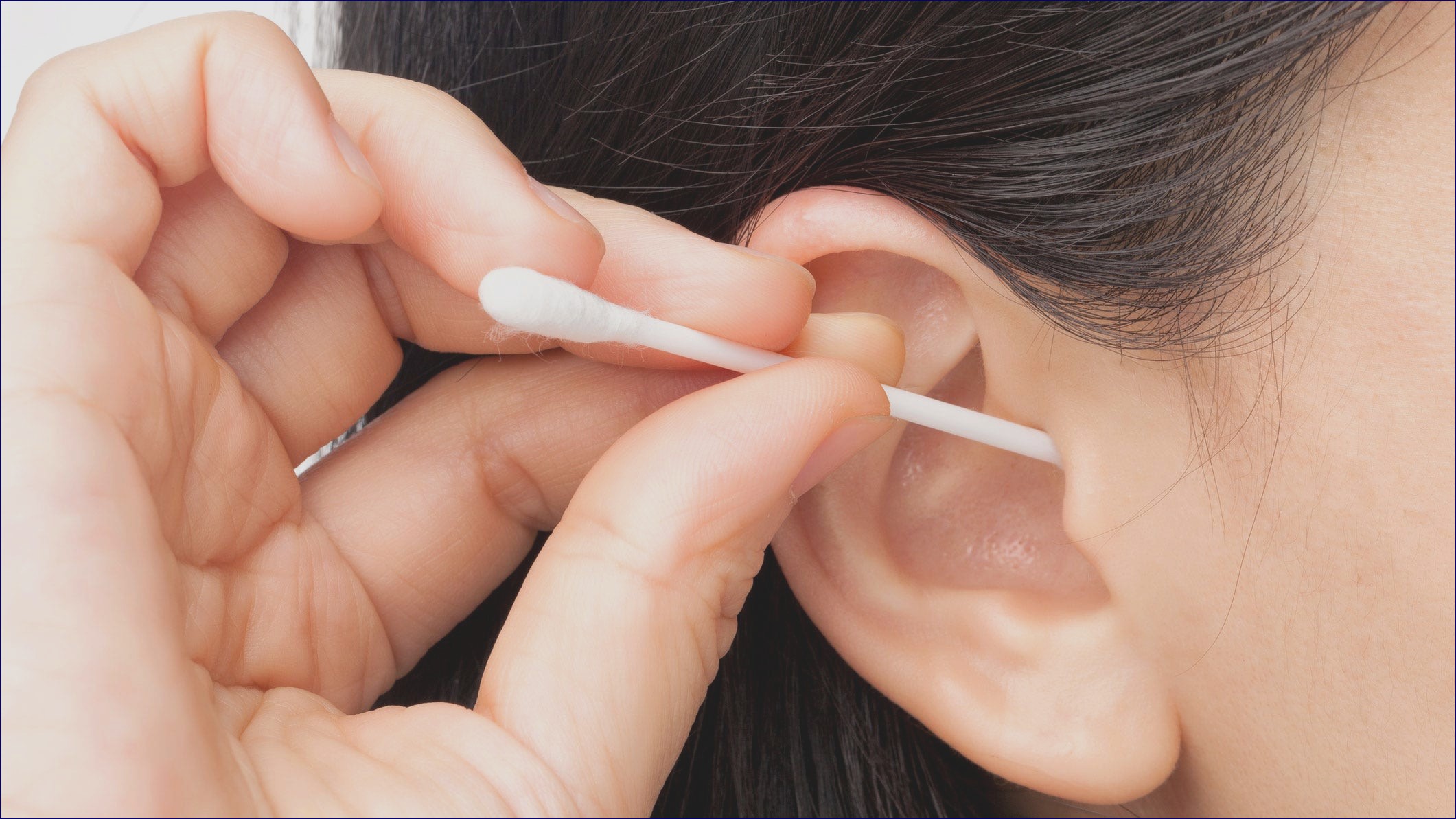
A recent study reveals that ear wax might provide an unexpected clue in detecting Parkinson’s disease (PD) at an early stage. Published in the journal Analytical Chemistry, this research highlights how the smell of ear wax could aid doctors in identifying this progressive neurological condition.
Typically, Parkinson’s disease is diagnosed when individuals show symptoms like tremors, stiffness, slowed movements, and changes in their walking pattern. However, this study indicates that changes in ear wax might also signal the onset of the disease.
Researchers found that certain chemicals known as volatile organic compounds (VOCs) released in the sebum—natural oils in ear wax—could have a distinct odor in people with Parkinson’s. This smell is linked to inflammation, neurodegeneration, and oxidative stress associated with the disease.
Dr. Joohi Jimenez-Shahed, a medical expert in movement disorders, explained that patients with Parkinson’s often produce more sebum. Some studies have shown that the chemical makeup of this sebum differs from that of people without the disease.
In this study conducted in China, researchers analyzed ear wax samples from 209 individuals, 108 of whom had been diagnosed with Parkinson’s. They discovered that four specific VOCs in patients with the disease were notably different from those of healthy participants.
The researchers identified these VOCs: ethylbenzene, 4-ethyltoluene, pentanal, and 2-pentadecyl-1,3-dioxolane, which may serve as markers for Parkinson’s. They also trained a specialized artificial intelligence olfactory (AIO) system to detect these compounds. Impressively, this AIO system demonstrated a 94% accuracy rate in distinguishing between ear wax samples from those with and without the disease.
The study authors believe this technology could eventually become a primary screening tool for early detection of Parkinson’s, enabling faster treatment options. Currently, most treatment approaches focus on managing symptoms without halting the disease’s progression, underscoring the importance of early diagnosis.
Though the findings are promising, the study was conducted in a single clinic and involved a limited number of participants. The researchers plan to further test this method in different clinical settings and among diverse populations to assess its broad applicability.
Dr. Jimenez-Shahed cautioned that further study is essential to confirm these findings, as the unique profiles of VOCs in ear wax might differ across various research efforts. Individuals worried about Parkinson’s risk should consult a specialist for a thorough evaluation and possible testing.
This innovative approach could simplify and reduce the cost of Parkinson’s detection compared to current methods, such as imaging studies, which can be both expensive and subject to interpretation.
The research was supported by various scientific funding bodies, affirming the commitment to exploring new pathways for early detection of Parkinson’s disease.
