
Concerns Rise Over Medicaid Cuts Impacting Rural Hospitals in Louisiana
MANSFIELD — Last year, DeSoto Regional Health System took out $36 million in loans to refurbish a rural hospital that has been serving the community since 1952. The hospital’s leadership was counting on Medicaid, a key federal-state health program for low-income individuals and people with disabilities, to remain a reliable source of funding.
However, that financial support is now at risk as recent efforts from President Donald Trump and a Republican-controlled Congress aim to cut the nearly $900 billion health program that provides coverage to over one in five Americans.
Todd Eppler, the CEO of DeSoto, expressed concerns that potential reductions to Medicaid could hinder the hospital’s ability to repay its loans and limit access to healthcare for patients. “I hope policymakers consider the real-world effect of their decisions,” he said. “These changes will directly impact our hospital and the people we serve.”
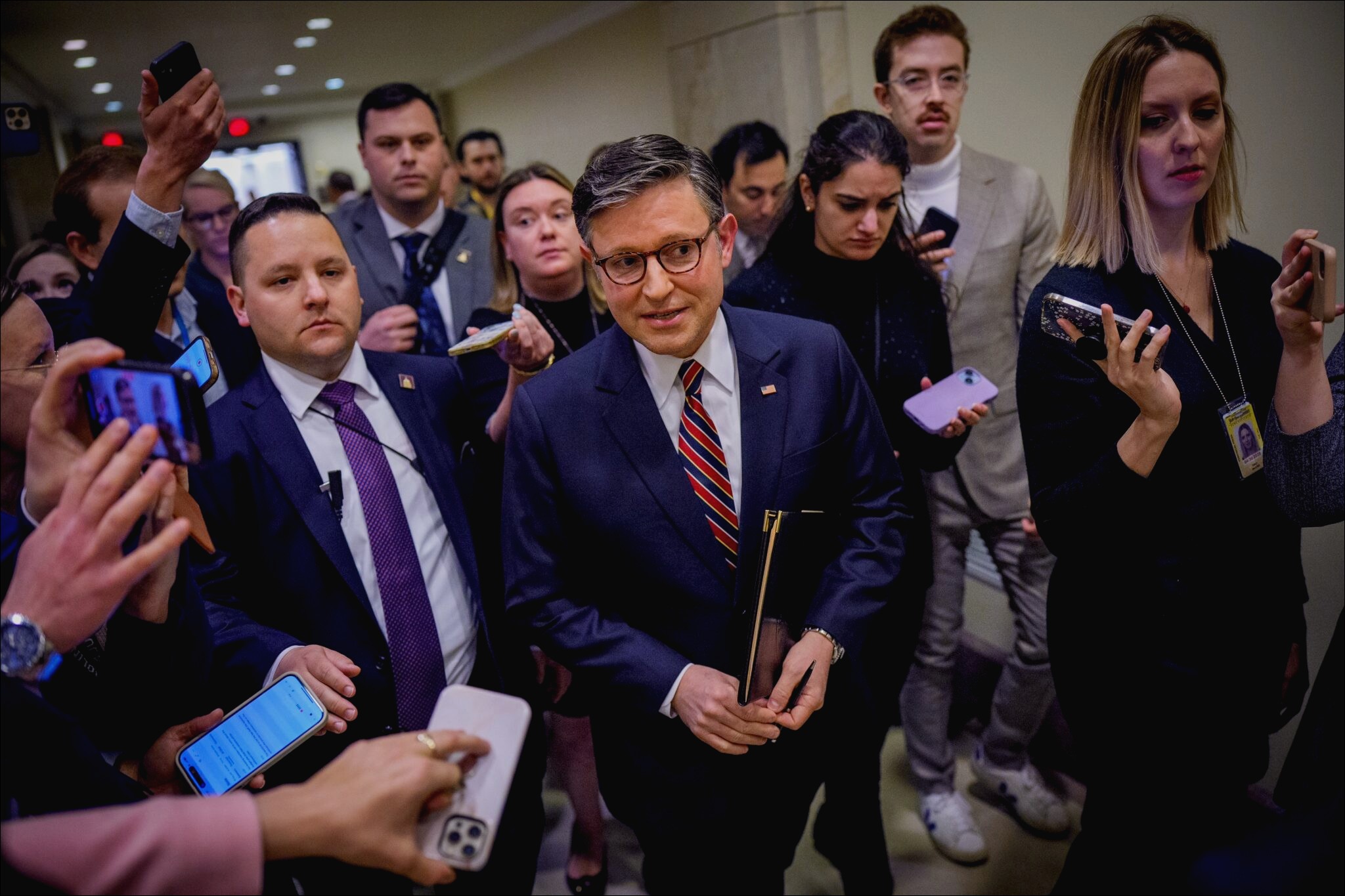
One influential figure in these discussions is House Speaker Mike Johnson, who represents the area. Johnson, living about 35 miles from Mansfield, understands the issues faced by rural hospitals, partly due to his close connection with local healthcare leaders.
Nearly 290,000 residents in Johnson’s district are currently enrolled in Medicaid, making up 38% of the local population, according to KFF, a health information nonprofit. Of these, about 118,000 individuals gained coverage through the Affordable Care Act, allowing states like Louisiana to expand Medicaid eligibility for low-income adults.
Louisiana ranks second in the nation for Medicaid enrollment, with nearly 32% of its residents participating in the program, a reflection of high poverty levels in the state. The ongoing discussions about Medicaid cuts could have significant repercussions for residents in areas like Johnson’s district, which includes many people reliant on the program.
Among those affected is Chloe Stovall, a 23-year-old employee at a local grocery store. Stovall works hard but earns only $200 a week. Although her employer offers health insurance, she won’t qualify until she completes a year of work, and even then, it will likely cost much more than Medicaid, which she currently uses for free. “I’m just getting by,” she shared.
Earlier this year, Johnson pushed for a budget resolution in the House, proposing cuts of at least $880 billion over the next decade from various programs, including Medicaid, to finance extensions of Trump’s tax cuts and address border control priorities.
In his defense of the plan, Johnson remarked that Medicaid should not support individuals he describes as “able-bodied” without imposing work requirements. However, Stovall insists most Medicaid recipients work at least one job. “I don’t even own a TV,” she said.
When contacted, Johnson’s office highlighted his commitment to protecting eligible beneficiaries, stating, “We will be careful not to cut a benefit for anyone who relies on it.”
Interviews with Medicaid recipients in Johnson’s district revealed that many are unaware of his plans to change the program, and those who are informed expressed fear about how these cuts will affect their everyday lives. In areas with limited job opportunities and stagnant wages, losing Medicaid could mean losing access to critical healthcare.
In Vivian, a small town just north of the state line, approximately half of its 2,900 residents live in poverty, and many depend on Medicaid for necessary healthcare services, such as mental health treatment and medication. Doris Luccous, a 24-year-old mother, relies on Medicaid for her bipolar disorder medications and therapy appointments while earning $250 a week as a housekeeper.
“I don’t know where I would be without it,” she admitted, highlighting the real stakes of the potential cuts.
Though neither Luccous nor Stovall voted in the last election, they both voiced concern about Johnson’s role in these discussions. Vivian lacks major employers, and many jobs offer only minimum wage, which has remained unchanged since 2009. “We feel stuck,” Stovall explained.
Organizations like David Raines Community Health Centers, which provide care to many Medicaid enrollees, fear that proposed cuts will restrict services. CEO Willie White explained that Medicaid expansion has been crucial in improving health outcomes in Louisiana—screening rates for cancers jumped from 10% to 50% following the expansion.
“If Congress cuts Medicaid, it is inevitable that we will have to limit what services we can offer,” White warned. He emphasized that state-funded support has historically helped these centers to provide comprehensive care to low-income patients.
In Bossier City, many patients, like Benjamin Andrade and Dominique Youngblood, shared similar sentiments about the importance of Medicaid in covering their healthcare costs. Andrade, who underwent heart surgery, noted that without Medicaid assistance, affording his medications would be extremely difficult.
As DeSoto Regional Health System moves forward with its renovation plans, its future—and that of many residents—hangs in the balance, underscoring the need for continued access to Medicaid for those who rely on it for their lives and livelihoods.
