
Trump Announces 90-Day Tariff Pause Amid Global Uncertainty
In light of rising global economic concerns, U.S. President Donald Trump has declared a temporary 90-day halt on tariffs affecting India and about 60 other countries. This pause aims to provide space for negotiations on trade agreements. However, this break does not apply to China, which faces a significant tariff increase of 125% on its imports to the U.S. The White House later clarified that this increase is in addition to a previous 20% tariff related to fentanyl, bringing China’s total to 145%. Meanwhile, China maintains an 84% tariff on U.S. goods.
India’s Commerce Minister Reassures Exporters
Commerce Minister Piyush Goyal urged Indian exporters to remain calm, emphasizing that the government is working towards a balanced trade agreement with the United States. He assured them that the process is being handled with a sense of urgency but without rushing, aiming for the best results for the nation.
Why the Tariff Pause?
Trump’s decision came just hours after the tariffs took effect, influenced by chaotic financial markets. According to discussions within the U.S. Treasury, concerns over struggles in the bond market contributed to this sudden shift. Economic officials had already warned the President about a significant selloff in U.S. Treasury bonds arising after the tariffs were implemented.
Global Implications of the U.S.-China Trade War
Economists predict that while the escalating trade tensions between the U.S. and China may not severely undermine trade now, without resolution, there is a risk of significant long-term damage. Currently, China stands somewhat isolated, being one of the few countries to retaliate against Trump’s tariffs.
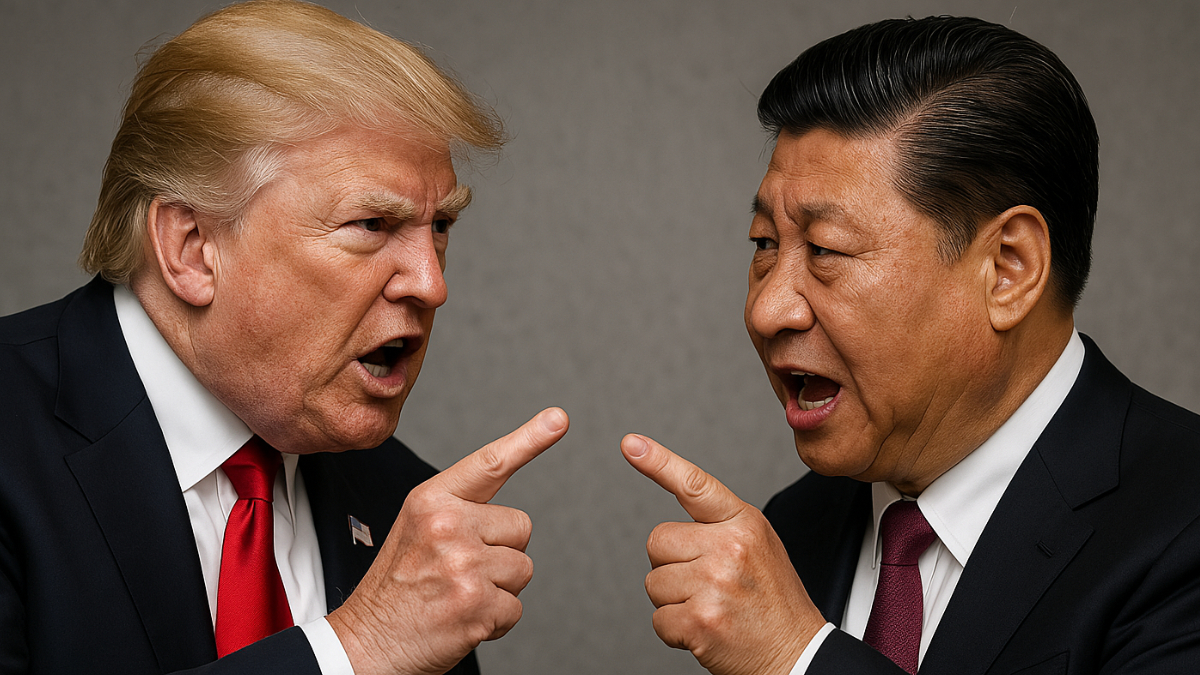
Discussions between Trump and Chinese President Xi Jinping are anticipated, as White House officials express optimism about finding a resolution. U.S. Commerce Secretary Howard Lutnick stated that any communication from China would be directed straight to Trump for further deliberation.
Negotiations with Vietnam and Other Countries
Meanwhile, the U.S. has opted to enter trade negotiations with Vietnam, focusing on reducing non-tariff barriers. This move indicates a broader strategy to strengthen alliances with various nations while continuing to manage tensions with China.
As the situation develops, the impact of the U.S.-China tariff conflict will be closely watched, with market reactions anticipated from multiple sectors.
